Ebook (EPUB)£85.00
IMESEdinburgh Studies on the Ottoman Empire
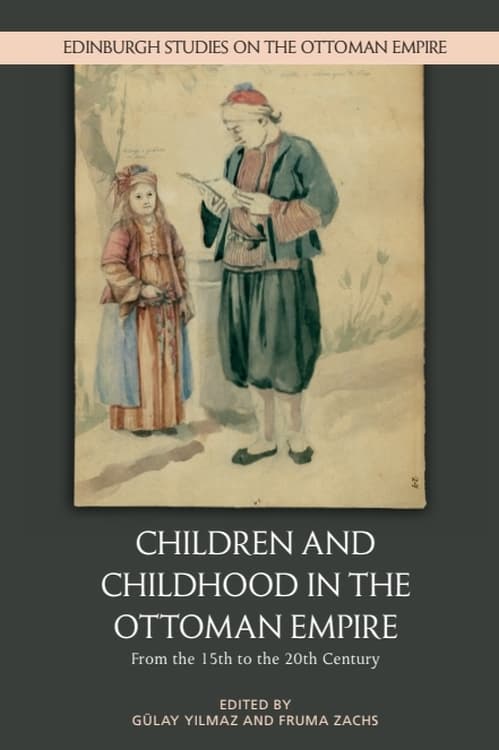
Children and Childhood in the Ottoman Empire
From the 15th to the 20th Century

Our ebooks are read in the Academic Reader app. After you buy, we’ll email you how to open your ebook in it.
Description
Explores 5 centuries of changing attitudes toward children and childhood in the Ottoman Empire
- Includes data on Christian, Jewish and Muslim children that shed light on differences and commonalities in family structures and communities
- Covers a broad geographic area including Ottoman Romania, Bulgaria, Crimea, Greece, Bosnia, Syria, Palestine and Istanbul
- Paves the way for new directions in research on the history of children and childhood in the Ottoman Empire
- Features a Foreword by Suraiya Faroqhi, an introductory chapter by Colin Heywood, and includes 8 tables, 8 graphs, 9 illustrations and a glossary of key terms
How did adults, religious institutions and the state view children during the Ottoman Empire? This volume gathers specialists in the social history of the Ottoman Empire as a whole – in regions ranging from Anatolia through the Arab provinces to the Balkans, and from the 15th to the early 20th century – to respond to recent theoretical calls to recognise children as active agents in history.
Divided into 5 thematic sections – concepts of childhood, family interrelationships, children outside family circles, children’s bodies and education – the volume covers the social and political structure of the Ottoman Empire. It uses the innovative prism of children as social agents who are not only shaped by but also shape society, rather than being the passive recipients of their social environment.
Contents
ForewordSuraiya Faroqhi
IntroductionGülay Yılmaz and Fruma Zachs
1. Ottoman Childhoods in Comparative PerspectiveColin Heywood
Part I: Concepts of Childhood
2. Childhood in the Peasant Militia Registers and the Age Boundaries of AdolescenceCahit Telci
3. An Ottoman Boyhood: Child Life in the Late Eighteenth Century through the Lens of Panayis Skouzes’ AutobiographyEleni Gara
Part II: Family Interrelationships
4. Preliminary Observations on the Demographic Roots of Modern Childhood in the Ottoman Empire: Wealth, Children and Status in Ruse, Vidin and Sofia, 1670–1855İrfan Kokdaş
5. The Emotional Bond between Early Modern Ottoman Children and Parents: A Case Study of Sünbülzade's ‘Ideal’ Child (1700–1800)Leyla Kayhan Elbirlik
6. A World of Conflicts: Youth and Violence towards Parents in the Family in Rural Wallachia, 1716–1859Nicoleta Roman
Part III: Children Outside Family Circles
7. Born and Bred in Seventeenth-Century Crimea: Child Slavery, Social Reality and Cultural IdentityFırat Yaşa
8. Rural Girls as Domestic Servants in Late Ottoman IstanbulYahya Araz
9. Muslim Orphans and the Shari‘ah in Nineteenth Century Palestine: Cases from NablusMahmud Yazbak
Part IV: Children’s Bodies
10. Body Politics and Devşirmes in the Early Modern Ottoman Empire: The Conscripted Children of HerzegovinaGülay Yılmaz
11. Pastimes for Child Breadwinners: The Sanitisation and Recreation Facilities of the Hereke Factory CampusDidem Yavuz Velipaşaoğlu
12. Beating is Heaven-Sent: Corporal Punishment of Children in the late Ottoman and Early Republican EraNazan Çiçek
Part V: Children and Education
13. Childhood and Education in Ottoman Bosnia during the Early Modern Period (mid-Fifteenth to Late Eighteenth Century)Elma Korić
14. Children’s Education in Ottoman Jewish Society (Sixteenth to Eighteenth Centuries)Ruth Lamdan
15. Women as Educators towards the End of the Nahda Period: Labiba Hashim and Children’s UpbringingFruma Zachs
GlossaryList of ContributorsIndex
Authors
Reviews
Gülay Yılmaz and Fruma Zachs’s edited volume is a welcome contribution to the field of history of children and youth in the Ottoman Empire [...] The prominence of the early modern era (with nine chapters) in the volume’s chronological focus is worth stressing, as the research on Ottoman children to date has been confined mostly to the nineteenth century. By the same token, wide geographic coverage of the book, going beyond the Balkans and Anatolia to Wallachia, Crimea, Palestine, and Egypt, has the added value of facilitating comparisons.
Gülay Yılmaz and Fruma Zachs’s edited volume is a welcome contribution to the field of history of children and youth in the Ottoman Empire [...] The prominence of the early modern era (with nine chapters) in the volume’s chronological focus is worth stressing, as the research on Ottoman children to date has been confined mostly to the nineteenth century. By the same token, wide geographic coverage of the book, going beyond the Balkans and Anatolia to Wallachia, Crimea, Palestine, and Egypt, has the added value of facilitating comparisons.
This volume will encourage young scholars to develop projects in the area of Ottoman and MENA childhood. The choice of themes for the five sections is well-thought-out and marks for future contributions the contours of the field. The involvement of young scholars (young PhDs mostly) alongside more established ones is an excellent recipe for pushing ahead the study of this all-important sub-field of socio-cultural history.
[A] welcome contribution not only to the history of Ottoman childhoods, but also to children’s historiography and childhood history more broadly.
Goes well with this book
From the same series or subject.
- Children and Childhood in the Ottoman Empire, Ebook (EPUB), £31.00
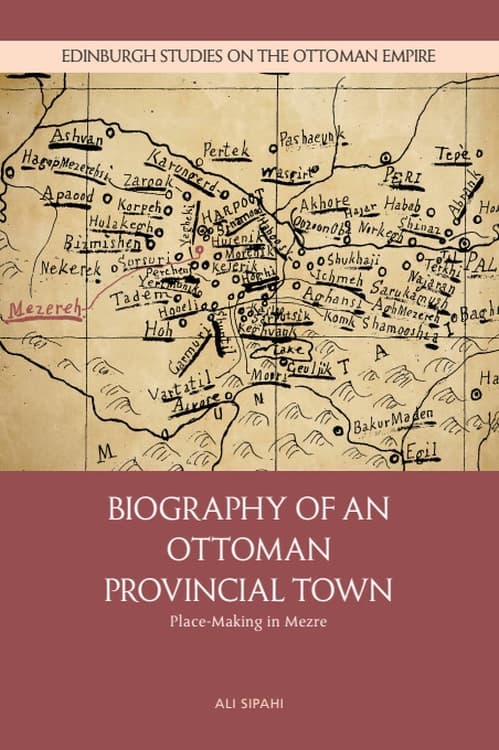
- Biography of an Ottoman Provincial Town, Ebook (EPUB), £85.00
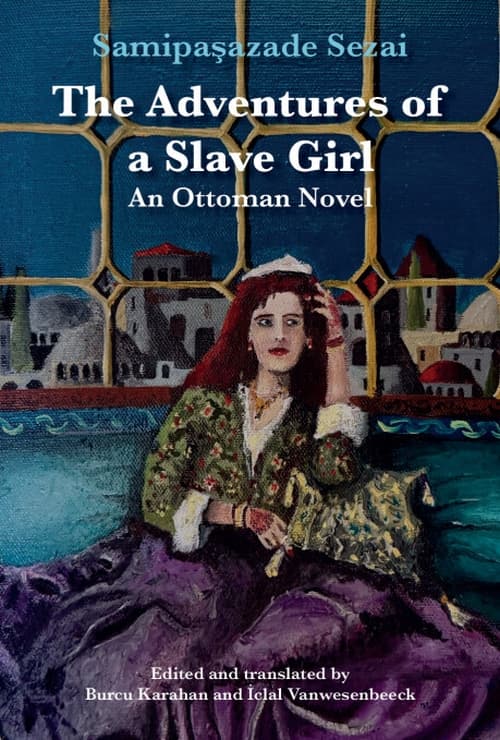
- The Adventures of a Slave Girl, Ebook (EPUB), £14.99
From the same series
More in Edinburgh Studies on the Ottoman Empire
Ebook (EPUB)£14.99
Ebook (EPUB)£95.00
Ebook (EPUB)£105.00
Ebook (EPUB)£95.00
Paperback£24.99
Ebook (EPUB)£19.99
Ebook (EPUB)£19.99
Ebook (EPUB)£24.99
Ebook (EPUB)£24.99
Ebook (EPUB)£24.99
Ebook (EPUB)£21.99
More in IMES
View all
Ebook (EPUB)£90.00
Ebook (EPUB)£100.00
Ebook (EPUB)£95.00
Ebook (EPUB)£175.00
Ebook (EPUB)£95.00