Ebook (EPUB)£85.00
IMESEdinburgh Studies on the Ottoman Empire
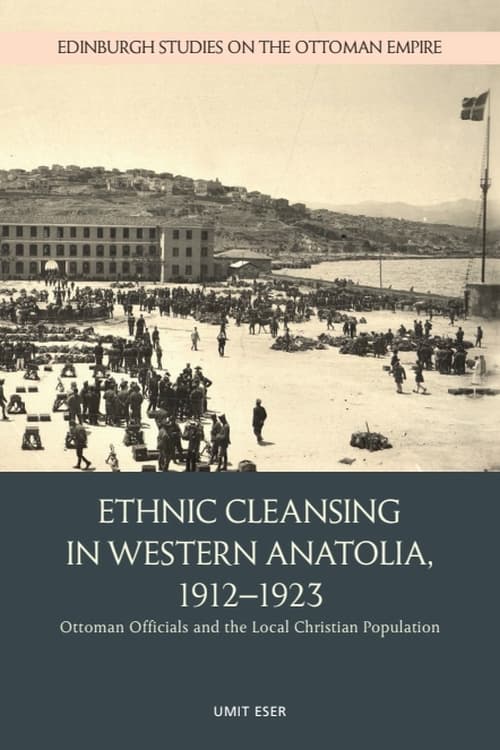
Ethnic Cleansing in Western Anatolia, 1912–1923
Ottoman Officials and the Local Christian Population

Our ebooks are read in the Academic Reader app. After you buy, we’ll email you how to open your ebook in it.
Description
Investigates the Ottoman bureaucrats who resisted the ethnic cleansing in the Smyrna region in 1919–1923
- Offers an unorthodox and challenging reinterpretation of the history of modern Turkey and the role of ethnic cleansing in its formation
- Based on seven years of research in archival and primary sources in four languages, in Istanbul, Ankara, Athens, London, Paris and Nantes
- Provides histories of key actors on both sides of the conflict, drawn from public records, memoirs and personal correspondence
- Includes four biographical case studies exemplifying the collaboration between Ottoman bureaucrats and the Greek administration in order to provide a holistic picture of politics at the time in the region
The Greek landing in Smyrna in May 1919 is widely seen as the catalyst of the Turkish national struggle but even during the chaos of 1919–1923, the diverse peoples of Asia Minor coexisted and created astonishing but fragile infra-national solutions. In sharp contrast to popular history, this book tells the often-overlooked story of cooperation and resistance in a province renowned for its rich and prosperous ethnic and religious diversity in the face of a larger geopolitical struggle. As such, this research demonstrates that even the most contested national conflicts can display a remarkable degree of capacity for coexistence at the local level, a capacity that is all too easily forgotten amid global conflicts today.
This study is distinguished from other books by its extensive use of archival material and new interpretations of the discussions about the nation-building period in Turkey. The Greco-Turkish War of 1919–1922, which led to the expulsion of over a million people from Asia Minor, resulted in a bloodbath but also came to be an essential part of the heritage of national pride in Turkey, while the catastrophic experiences of the people who established close connections with the Greek administration had to be banished to oblivion. The historical and theoretical framework for this study is drawn from extensive research concentrated on three areas: political and social conditions in Ottoman Anatolia at the beginning of the 20th century with particular emphasis on provincial governance; the Greek administration in the region and its administrative and social reforms; and the relationships of Ottoman civil servants and military officers with the Greek administration. The primary sources that form the backbone of the project were collected from several archives in Istanbul, Athens, London, Paris and Nantes during seven years of research.
Contents
Introduction: Encounter with Catastrophe
- Fin-de-Siècle: Gradual Intimidation in Western Anatolia
- Ioniki Tragodia: Greek Administration in Western Anatolia
- Zoi: A Survey of Social Life under the Greek Administration
- Roses & Hyacinths: Ottoman Provincial Officials under the Greek Administration
- Millî Hareket: The Formation of a National Resistance
- Tartaros: Destruction of the Ottoman Co-existence
Conclusion: Forging Catastrophe as a Solution
Bibliography
Author
Reviews
Soundly based on exhaustive original research, Umit Eser’s nuanced study of the state-sponsored violence that altered the ethnic makeup of the borderlands of Europe and Asia is essential reading for anyone interested in the upheavals that heralded the end of the Ottoman Empire and the creation of the modern Turkish state.
Ethnic Cleansing in Western Anatolia weaves a rich story that expands our understanding of the most consequential period in the making of modern Turkey. It constitutes the most complete account of arguably the most critical site in what is so often referred to as the Turkish War of Independence. Drawing on a critical array of sources, most notably from Greece, Umit Eser’s work challenges many of the most common perceptions of this period. Ethnic Cleansing undoubtedly will be recognised as an essential work in the field of Ottoman studies.
Ümit Eser’s fine study traces the careers of the officials in Western Anatolia during the turbulent years following the Great War. Although later characterised by Turkish nationalist historians as ‘traitors,’ Ümit’s study reveals the ways they protected various local ethnic groups from persecution and other more mundane forms of discontinuity.
Eser’s work is a remarkably clear, fine-grained, state-of-the-art study of the sensitive issue of how Christian and cosmopolitan life was destroyed before, during, and after the Great War in Western Anatolia.
Goes well with this book
From the same series or subject.
- Ethnic Cleansing in Western Anatolia, 1912–1923, Ebook (EPUB), £24.99
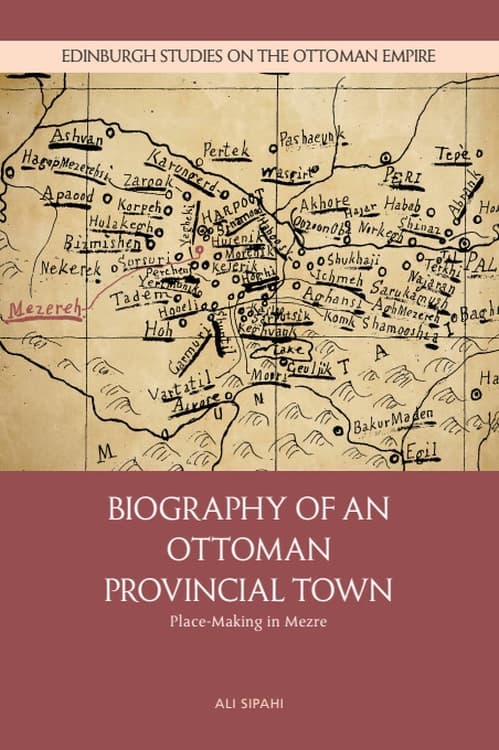
- Biography of an Ottoman Provincial Town, Ebook (EPUB), £85.00
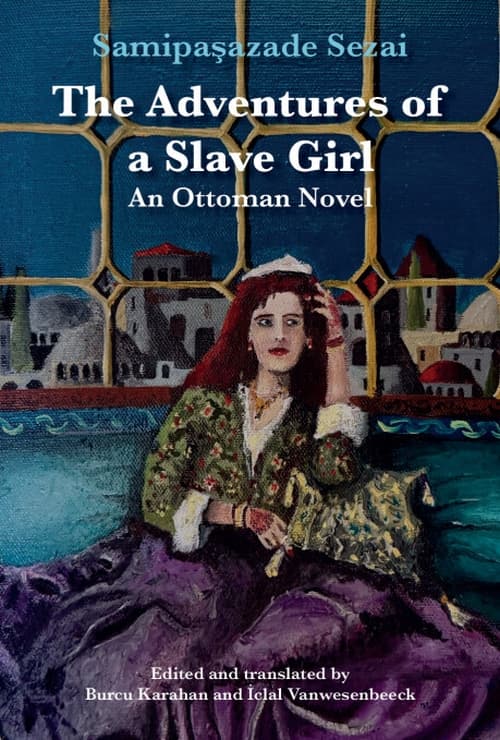
- The Adventures of a Slave Girl, Ebook (EPUB), £14.99
From the same series
More in Edinburgh Studies on the Ottoman Empire
Ebook (EPUB)£14.99
Ebook (EPUB)£95.00
Ebook (EPUB)£105.00
Ebook (EPUB)£95.00
Paperback£24.99
Ebook (EPUB)£19.99
Ebook (EPUB)£19.99
Ebook (EPUB)£24.99
Ebook (EPUB)£24.99
Ebook (EPUB)£21.99
Ebook (EPUB)£34.99
More in IMES
View all
Ebook (EPUB)£90.00
Ebook (EPUB)£100.00
Ebook (EPUB)£95.00
Ebook (EPUB)£175.00
Ebook (EPUB)£95.00