Ebook (EPUB)£85.00
IMESEdinburgh Studies on the Ottoman Empire
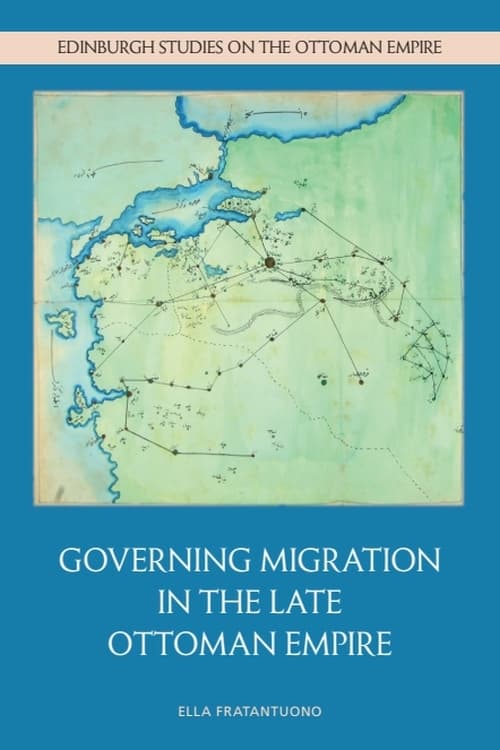
Governing Migration in the Late Ottoman Empire

Our ebooks are read in the Academic Reader app. After you buy, we’ll email you how to open your ebook in it.
Description
Traces changing approaches to governing migrants in the Ottoman Empire during the global era of mass migration through the term muhacir (migrant)
- Presents the first exhaustive study of late-Ottoman migration management in English
- Highlights the importance of migrant and refugee settlement within Ottoman reform
- Enhances understanding of global and Middle East migration regimes
- Illuminates the emergence of refugee administration from a historical perspective
- Provides a case study of historical trends in migration management, migration regimes and state-building
How do terms used to describe migration change over time? How do those changes reflect possibilities of inclusion and exclusion? Ella Fratantuono places the governance of migrants at the centre of Ottoman state-building across a 60-year period (1850–1910) to answer these questions. She traces the significance of the term muhacir (migrant) within Ottoman governance during this global era of mass migration, during which millions of migrants arrived in the empire, many fleeing from oppression, violence and war.
Rather than adopting the familiar distinction between coerced and non-coerced migration, Fratanuono explores how officials’ use of muhacir captures changing approaches to administering migrants and the Ottoman population. By doing so, she places the Ottoman experience within a global history of migration management and sheds light on how six decades of governing migration contributed to the infrastructures and ideology essential to mass displacement in the empire’s last decade
Contents
List of FiguresAcknowledgements
Introduction: Labelling Mobility in a Regime in Motion
- Muhacir as Colonist
- Muhacir as Problem
- Muhacir as Victim
- Muhacir as Failure
- Muhacir as Muslim
- Muhacir as Possibility
Conclusion: Categories of Movement and Categories of Belonging
Bibliography Index
Author
Reviews
A truly remarkable achievement. Ella Fratantuono provides us with an impressive analysis of a subject generally understudied in the global literature of historical migration and skilfully demonstrates that mass migrations are not just the story of migrants. Within the imperial policies of demographic warfare, the migrants can be seen as victims as well as colonists, while for the governments, they were both a problem and an opportunity. This work will be a must read for students of the late Ottoman Empire.
Managing the growing number of refugees, immigrants, and nomadic tribes was one of the key problems that faced the Ottoman state in the nineteenth century. In this well-researched and well-written book, Fratantuono shows that in setting up one of the earliest refugee regimes in the world and managing the changing composition of the empire by creating planned settlements, the Ottomans tried to deal with this challenge systematically during most of the nineteenth century. Even though their policies were repeatedly thwarted by forces that were beyond their control, some of the institutions and practices that emerged in those years survived and determined the shape of the modern Turkish state and its national ideology. In explaining a hitherto unexamined aspect of state formation in the nineteenth century, this book significantly enriches our understanding of the final century of the Ottoman Empire.
With her impressive linguistic abilities [Ella Fratantuono] has exploited well the Turkish archives to produce an important scholarly work that contributes to the rehabilitation of the late Ottoman Empire.
Fratantuono’s Governing Migration [in the Late Ottoman Empire] is an important original work and an essential read for scholars and students of Ottoman history. Further, it will be of interest to those who study mobility, migration, and state-building not only in the Ottoman Empire but also in other geographic and historical contexts.
In her comprehensive book, Fratantuono explores six decades of migration narratives to the Ottoman territories, meticulously examining the intricate interplay of laws, institutional frameworks, and structural dynamics that shaped these movements. She highlights the roles of key actors involved in this complex process, drawing on an extensive array of large-scale and richly detailed sources to provide a profound understanding of the historical context and implications of migration during this period.
Goes well with this book
From the same series or subject.
- Governing Migration in the Late Ottoman Empire, Ebook (EPUB), £24.99
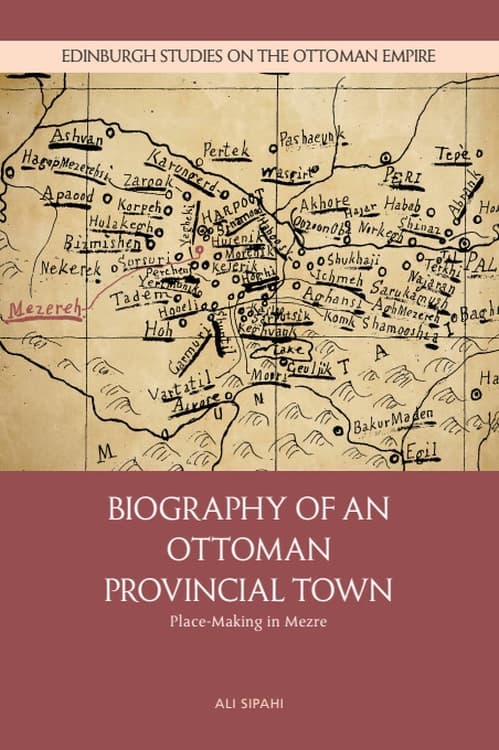
- Biography of an Ottoman Provincial Town, Ebook (EPUB), £85.00
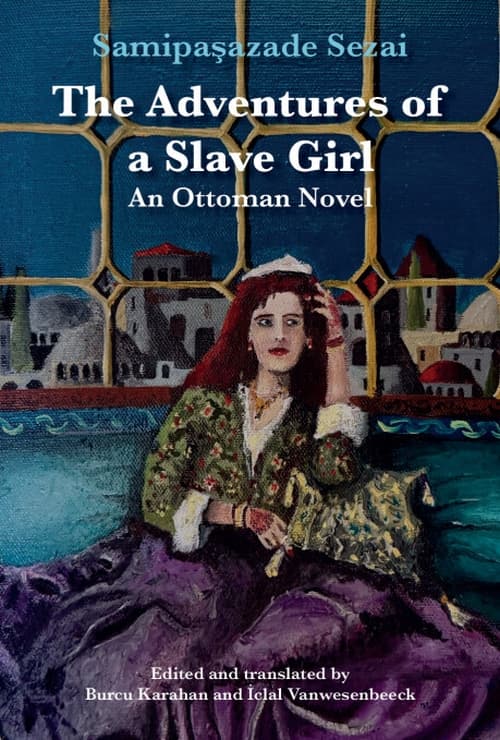
- The Adventures of a Slave Girl, Ebook (EPUB), £14.99
From the same series
More in Edinburgh Studies on the Ottoman Empire
Ebook (EPUB)£14.99
Ebook (EPUB)£95.00
Ebook (EPUB)£105.00
Ebook (EPUB)£95.00
Paperback£24.99
Ebook (EPUB)£19.99
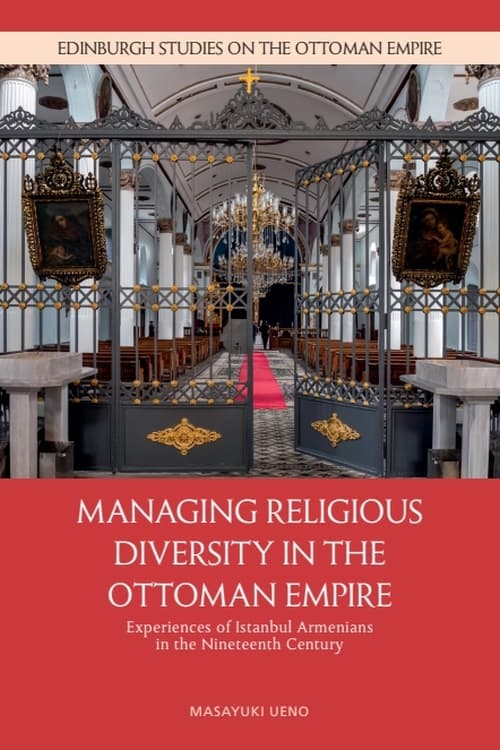
Ebook (EPUB)£19.99
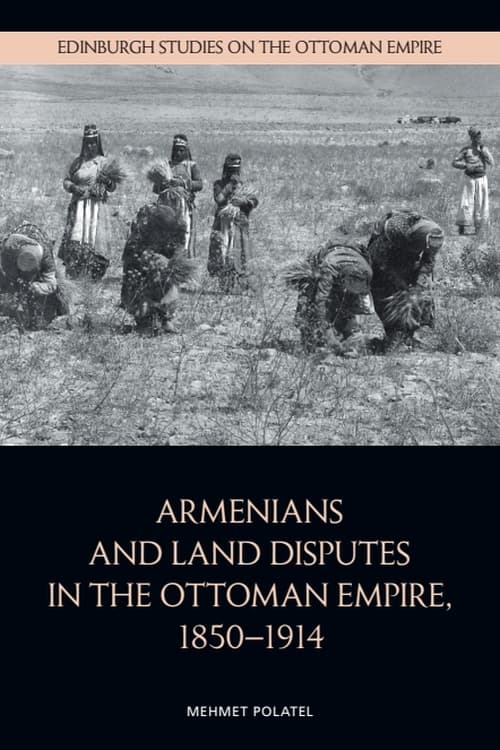
Ebook (EPUB)£24.99
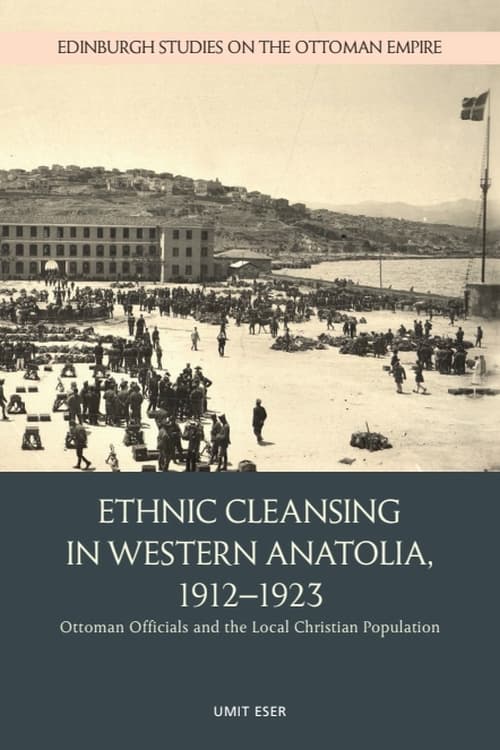
Ebook (EPUB)£24.99
Ebook (EPUB)£21.99
Ebook (EPUB)£34.99
More in IMES
View all
Ebook (EPUB)£90.00
Ebook (EPUB)£100.00
Ebook (EPUB)£95.00
Ebook (EPUB)£175.00
Ebook (EPUB)£95.00