Ebook (EPUB)£85.00
IMESEdinburgh Studies on the Ottoman Empire
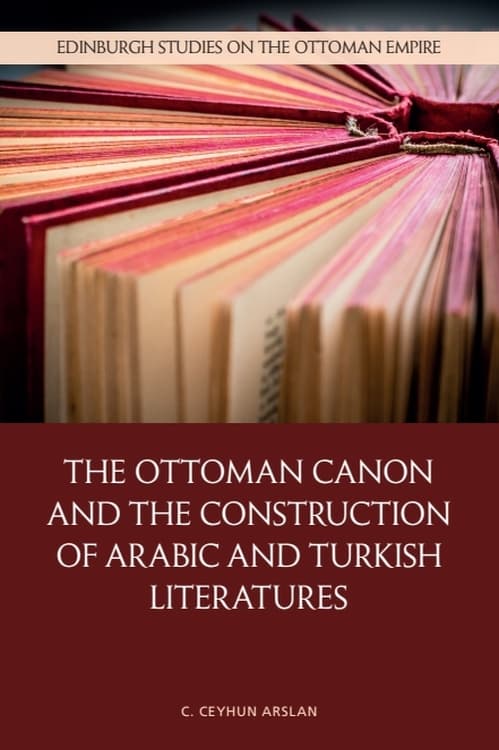
The Ottoman Canon and the Construction of Arabic and Turkish Literatures

Our ebooks are read in the Academic Reader app. After you buy, we’ll email you how to open your ebook in it.
Description
Studies the intertwined manner in which Arabic and Turkish literatures took shape as national traditions
- Studies Arabic and Turkish modernities in conjunction with each other within their shared Ottoman context
- Undermines the prevalent view that Arabic and Turkish literatures merely modernised or Westernised in the nineteenth century
- Moves beyond the tendency in Middle Eastern studies to situate Arabic, Turkish and Persian works in a linear, chronological order
- Challenges 'the influence paradigm', which proposes that Ottoman literature emerged under the influence of Arabic and Persian literatures before it modernised under the influence of French literature
- Studies how pre-Ottoman poets such as al-Mutanabbī or Saʿdī became 'Ottomanised' in the works of the Ottoman literati
- Examines how the Ottoman canon perpetuated exclusions in terms of gender, language and religion
The Ottoman Canon and the Construction of Arabic and Turkish Literatures fleshes out the Ottoman canon’s multilingual character to call for a literary history that can reassess and even move beyond categories that many critics take for granted, such as ‘classical Arabic literature’ and ‘Ottoman literature’. It gives a historically contextualised close reading of works from authors who have been studied as pioneers of Arabic and Turkish literatures, such as Ziya Pasha, Jurjī Zaydān, Maʿrūf al-Ruṣāfī and Ahmet Hamdi Tanpınar.
The book analyses how these authors prepared the arguments and concepts that shape how we study Arabic and Turkish literatures today as they reassessed the relationship among the Ottoman canon’s linguistic traditions. Furthermore, it examines the Ottoman reception of pre-Ottoman poets, such as Kaʿb ibn Zuhayr, hence opening up new research avenues for Arabic literature, Ottoman studies and comparative literature.
Contents
Acknowledgements
Note On Translation and Transliteration
Introduction: Beyond the Influence Paradigm
1. A Multilingual Ottoman Ocean: Taverns, Exclusions and Ziya Pasha’s Harabat
2. Jurjī Zaydān, Literary Comparisons and the Formation of Arabic and Turkish Literatures
3. The Ottoman Tarboosh: Disguise and the Novel Genre in Ahmet Midhat’s Hasan Mellah and Muḥammad al-Muwayliḥī’s What ʿĪsā ibn Hishām Told Us
4. Kaʿb ibn Zuhayr Weeps for Sultan Murad IV: Baghdad, Translation and the Turkish Language in Maʿrūf al-Ruṣāfī’s Works
5. From ‘Ottoman Literature is Arabic Literature’ to ‘Arabs Possess a Literature’: Hacı İbrahim, Ahmet Rasim and the Fetters of Influence
6. Family Matters: Oedipus, Tawfīq al-Ḥakīm and Ahmet Hamdi Tanpınar
Conclusion: Modernity, Ottoman Saʿdī and Ottoman al-Mutanabbī
References
Author
Reviews
With an innovative focus on the late Ottoman and post-Ottoman Middle East, The Ottoman Canon traces a theoretically informed analysis of the multilingual Ottoman literary "reservoir" as it informs mutually formative aspects of Turkish and Arabic national literatures. A well-researched study of multivalent cultural translation that will be of certain interest to specialists across multiple fields.
In this eye-opening book, C. Ceyhun Arslan shows us the transformations of concepts and analytical paradigms in Middle Eastern literatures’ journey from multilingual Ottoman canon in the 19th century to monolingual Arabic, Persian and Turkish national literatures in the 20th century and translated world literature in the 21st century.
Arslan’s use of secondary material is thorough and enlightening for specialists, which both makes The Ottoman Canon an indispensable reference for scholars in Middle Eastern literatures and shows the way toward a Middle Eastern comparative literature. Arslan’s study also highlights his impressive knowledge of late Ottoman fiction, literary historical writing, and journalism.
The Ottoman Canon by C. Ceyhun Arslan is an important contribution that fits into the panorama of studies on Arabic, Turkish and Ottoman literature by proposing an original perspective, capable of questioning given conceptions and generating new reflections.
Combining methodological insights from the field of comparative literature with the Tanzimat and Nahḍa histories of “modernisation” in Turkish and Arabic contexts, respectively, Arslan offers close readings that challenge the disciplinary divide between “old” and “new” literature while remaining attentive to the politico-economic conditions of the late empire. His unassuming prose makes this well-researched work accessible and engaging for students and scholars of Ottoman literary studies. [...] [S]tudents and scholars—including myself—[...] seek to build upon Arslan’s work, which stands as a crowning testament to the productive dialogue between comparative literature and Middle East studies.
The Ottoman Canon makes a major contribution to Ottoman Studies, Arabic Studies, and comparative Middle Eastern modernities. [...] [W]ith the questions it raises about the nature, limits, and meaning of textual traditions and communities, The Ottoman Canon is a timely work that paves the way for further comparative studies of Ottoman modernity attuned to the importance of shared cultural–literary histories for understanding epistemic changes across cosmopolitan geographies.
The strength of Arslan’s monograph lies in the way he utilizes late nineteenth and early twentieth century Ottoman historical and literary sources to present a critique of nationalist and rigid literary frameworks that treat Arabic, Turkish, Persian, Armenian, and Greek literatures as separate, fixed traditions tied to specific ethnic or religious communities. [...] Such a comprehensive view of the Ottoman reservoir undoubtedly creates productive discussions and inspiration for further studies exploring the hitherto less commonly studied minority languages/literatures of the Ottoman canon through comparative lenses.
Goes well with this book
From the same series or subject.
- The Ottoman Canon and the Construction of Arabic and Turkish Literatures, Ebook (EPUB), £21.99
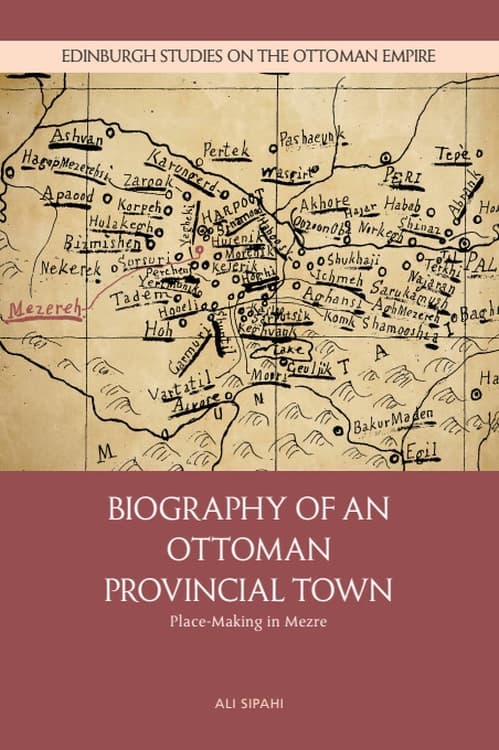
- Biography of an Ottoman Provincial Town, Ebook (EPUB), £85.00
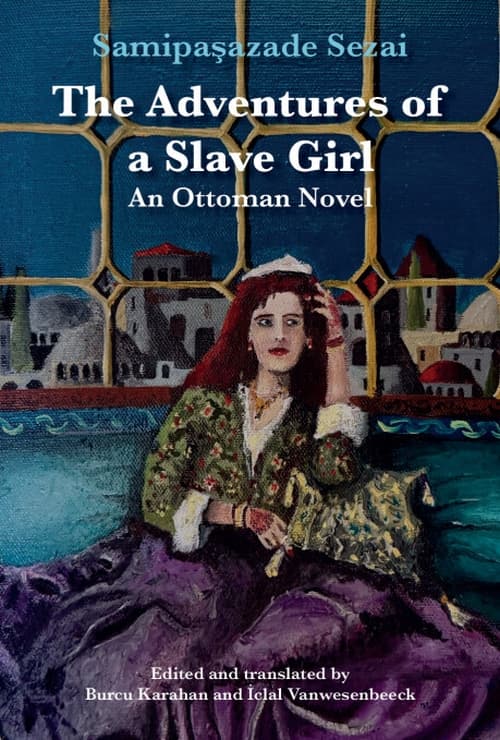
- The Adventures of a Slave Girl, Ebook (EPUB), £14.99
From the same series
More in Edinburgh Studies on the Ottoman Empire
Ebook (EPUB)£14.99
Ebook (EPUB)£95.00
Ebook (EPUB)£105.00
Ebook (EPUB)£95.00
Paperback£24.99
Ebook (EPUB)£19.99
Ebook (EPUB)£19.99
Ebook (EPUB)£24.99
Ebook (EPUB)£24.99
Ebook (EPUB)£24.99
Ebook (EPUB)£34.99
More in IMES
View all
Ebook (EPUB)£90.00
Ebook (EPUB)£100.00
Ebook (EPUB)£95.00
Ebook (EPUB)£175.00
Ebook (EPUB)£95.00