Ebook (EPUB)£85.00
IMESEdinburgh Studies on the Ottoman Empire
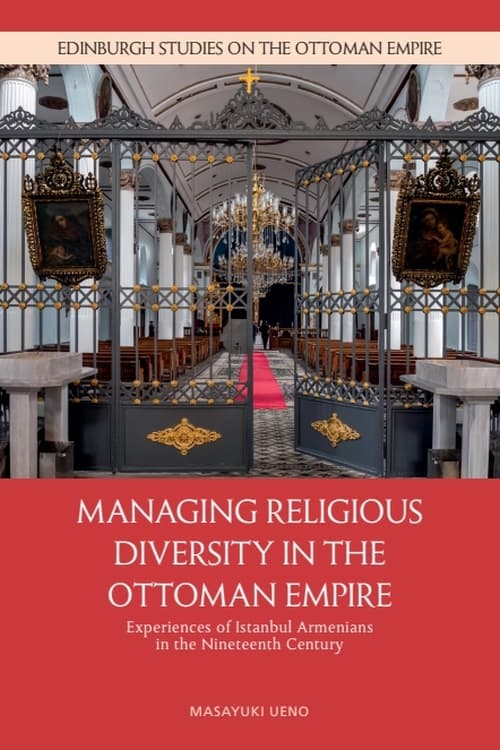
Managing Religious Diversity in the Ottoman Empire
Experiences of Istanbul Armenians in the Nineteenth Century

Our ebooks are read in the Academic Reader app. After you buy, we’ll email you how to open your ebook in it.
Description
Provides a new account of the relationship between the Ottoman Empire and its non-Muslim subjects
- Explores the changing arrangements between the Ottoman state and non-Muslim religious authorities from the seventeenth to the nineteenth centuries
- Locates the Ottoman management of religious diversity within the transimperial politics of religion
- Offers a well-documented case of religious diversity, multiculturalism and the relationship between religion and politics in the modern history of the Middle East
- Demonstrates a bottom-up perspective on nineteenth-century Ottoman reforms by discussing how Armenians in Istanbul tested the state project
- Combines Ottoman Turkish archival documents and Armenian and Armeno-Turkish (Turkish written in Armenian script) sources
This book makes extensive use of Ottoman archival documents and Armenian sources to examine the changing arrangements between the Ottoman state and non-Muslim religious authorities from the seventeenth to the nineteenth centuries, focusing on Armenians, the second-largest non-Muslim community in the empire. Specifically, it discusses how the ruling circles of the empire reinforced their reliance on non-Muslim religious authorities at the turn of the eighteenth century, and attempted to limit the influence of non-Muslim clergymen and restrict the scope of non-Muslim communal activity from the mid-nineteenth century onwards. The book also highlights the responses of the Armenian lay and ecclesiastical elites in Istanbul, who did not sit back and watch as their rights and privileges were curtailed. Rather, they sought ways to protect and even expand their collective rights and find their place in the multireligious empire, both as individuals and as members of a religious community.
Contents
Preface
Note on Transliteration and Dates
Introduction: Multireligious Empire, Christian Armenians and Politicisation of Religion
1. Cooperation against the Religion of the Pope
2. Participation of Lay Elites in Community Administration
3. The Promises of the Tanzimat Reforms
4. The Armenian Church and Transimperial Politics
5. Negotiating the Scope of Communal Affairs
6. The Legacy of the Tanzimat Reforms
Conclusion: Rediscovering the Religious Privileges
Bibliography
Author
Reviews
Dr. Ueno’s book is a meticulous study of the Ottoman governance of Christians in a period when the age-old hierarchies were transformed and religious institutions were rebuilt. Based on immense research and novel comparative perspective, it convincingly demonstrates Armenian elites’ struggle for participating in the Ottoman imperial system before the extermination of their nation during World War I.
[I]t is mostly in the past decade, after the centennial of the Armenian genocide of 1915, that a plethora of works have appeared in English to examine Armenians as part of Ottoman history and to understand imperial developments. With Managing Religious Diversity in the Ottoman Empire, Masayuki Ueno makes an important contribution to this growing literature and illuminates our understanding of how the Ottomans governed their diverse population.
Goes well with this book
From the same series or subject.
- Managing Religious Diversity in the Ottoman Empire, Ebook (EPUB), £19.99
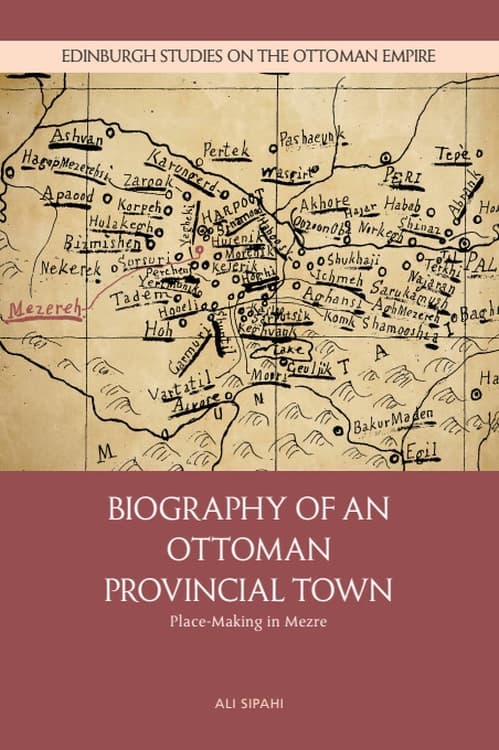
- Biography of an Ottoman Provincial Town, Ebook (EPUB), £85.00
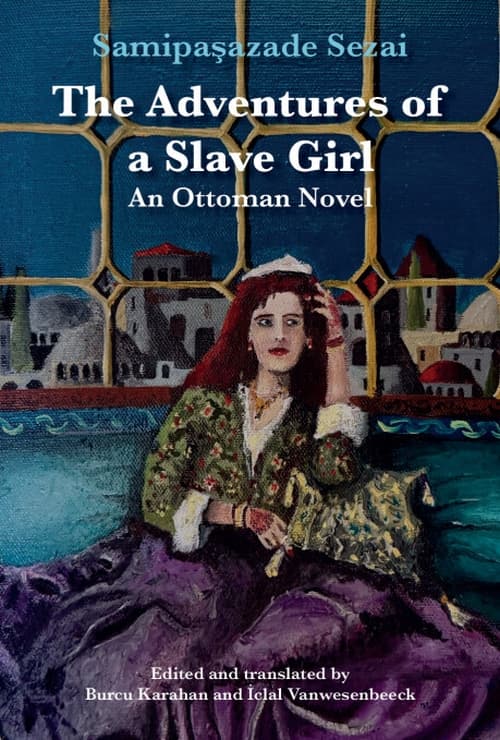
- The Adventures of a Slave Girl, Ebook (EPUB), £14.99
From the same series
More in Edinburgh Studies on the Ottoman Empire
Ebook (EPUB)£14.99
Ebook (EPUB)£95.00
Ebook (EPUB)£105.00
Ebook (EPUB)£95.00
Paperback£24.99
Ebook (EPUB)£19.99
Ebook (EPUB)£24.99
Ebook (EPUB)£24.99
Ebook (EPUB)£24.99
Ebook (EPUB)£21.99
Ebook (EPUB)£34.99
More in IMES
View all
Ebook (EPUB)£90.00
Ebook (EPUB)£100.00

Ebook (EPUB)£95.00

Ebook (EPUB)£175.00
Ebook (EPUB)£95.00