Ebook (PDF)£19.99
Scottish StudiesEdinburgh Studies in Scottish Philosophy
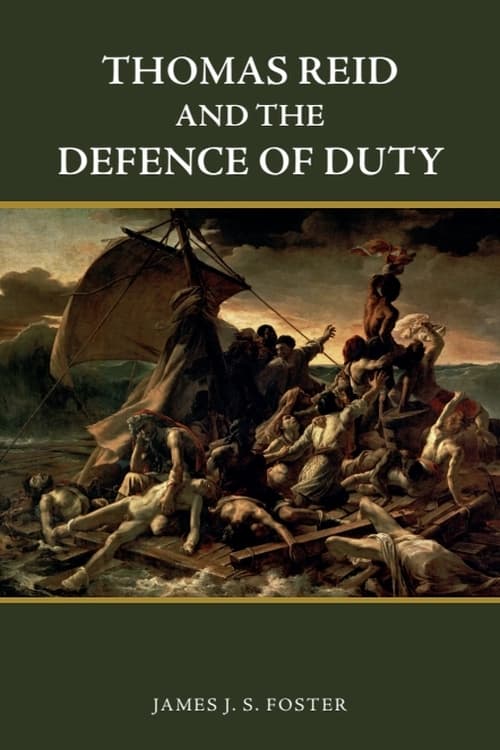
Thomas Reid and the Defence of Duty

Our ebooks are read in the Academic Reader app. After you buy, we’ll email you how to open your ebook in it.
Description
Brings Thomas Reid into conversation with contemporary moral philosophy
- Appeals to readers interested in Reid and Scottish Philosophy, and to those broadly interested in moral philosophy
- Draws from Reid’s entire corpus, not just his major published works, including his ‘Some Thoughts on the Utopian System’, correspondence, and ‘Lectures on Practical Ethics’
- Applies Reid’s arguments to contemporary discussions of moral subjectivism and moral pessimism
- Discusses the implications of Reid’s understanding of practical ethics and the limitations of speculative philosophy for moral education
Is morality a subjective matter, dependent on our desires and interests, or are there objective moral truths? And if the latter, can we explain the objectivity of morality without appeal to metaphysics, a robust teleology or divine command?
This book argues that we find just such an account of moral objectivity in Thomas Reid’s Defence of Duty. To make this case, the book provides an explanation of Reid’s way of philosophy and his reasons for rejecting moral subjectivism; presents Reid’s account of the concept, perception, and motivational force of duty; and responds to contemporary challenges of moral subjectivism and moral pessimism from the perspective of his moral philosophy.
Further, this book argues that if Reid is correct, then there is an urgent need to reform current pedagogical practice and return to the teaching of practical ethics.
Contents
PrefaceSeries Editor's Introduction
Part I: Reid’s Rejection of Moral Subjectivism
Chapter 1. Reid’s Way of Philosophy
Chapter 2. Reid, Perception and Common Sense
Chapter 3. Reid’s Arguments against Moral Subjectivity
Part II: Reid’s Account of Duty
Chapter 4. Defining Duty
Chapter 5. Moral Perception
Chapter 6. Moral Motivation
Part III: Objections to Reid’s Account
Chapter 7. The Argument from Strangeness
Chapter 8. The Argument from Relativity
Chapter 9. The Argument from Interminability
Conclusion: The Practical Implications of Reid’s Defence of DutyWorks CitedIndex
Author
Reviews
The central thesis of James Foster's Thomas Reid and the Defence of Duty is that Reid was mostly right — and Hume mostly wrong — about the nature of right and wrong. Anyone who dogmatically denies the objectivity of moral distinctions ought to read Foster’s book; it is lucid, lively and wise.
An enlightening, valuable, and significant contribution not only to the literature on Reid’s moral theory but even more to important issues and debates running through the corpus of modern and contemporary moral theory.
James Foster's work provides excellent access to the heart of Reid's moral philosophy: it gives readers unfamiliar with the Scottish philosopher the means to grasp the methodological, epistemological, and historical background essential for understanding its scope.
Goes well with this book
From the same series or subject.
- Thomas Reid and the Defence of Duty, Ebook (EPUB), £19.99
- David Hume and the Aberdeen Philosophers, Ebook (PDF), £19.99

- The Sociological Heritage of the Scottish Enlightenment, Ebook (EPUB), £34.99

From the same series
More in Edinburgh Studies in Scottish Philosophy
Ebook (EPUB)£34.99

Ebook (EPUB)£24.99

Ebook (EPUB)£25.99
Ebook (EPUB)£33.99

Ebook (EPUB)£23.99

Ebook (EPUB)£33.99

Ebook (EPUB)£31.00

Ebook (EPUB)£31.00

Ebook (EPUB)£25.99
Ebook (EPUB)£31.00

Hardback£90.00
More in Scottish Studies
View all
Ebook (EPUB)£95.00

Ebook (EPUB)£95.00


Ebook (EPUB)£95.00

Ebook (EPUB)£95.00