Ebook (PDF)£19.99
Scottish StudiesEdinburgh Studies in Scottish Philosophy
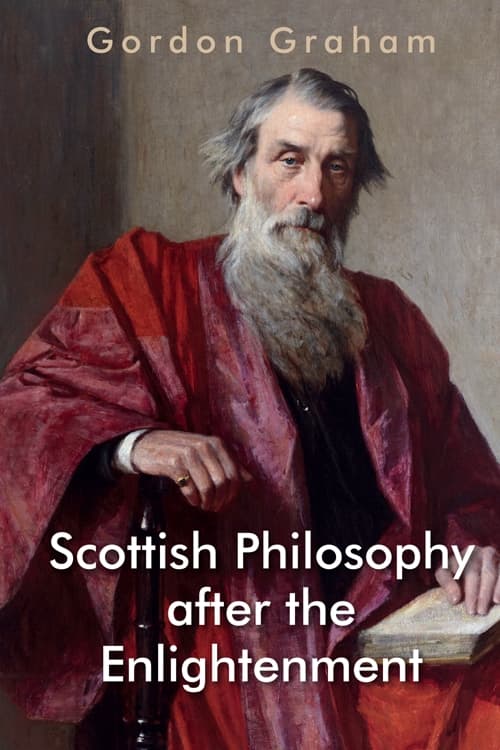
Scottish Philosophy after the Enlightenment

Our ebooks are read in the Academic Reader app. After you buy, we’ll email you how to open your ebook in it.
Description
Beginning with Sir William Hamilton’s revitalisation of philosophy in Scotland in the 1830s, Gordon Graham takes up the theme of George Davie’s The Democratic Intellect and explores a century of debates surrounding the identity and continuity of the Scottish philosophical tradition. Graham identifies a host of once-prominent but now neglected thinkers - such as Alexander Bain, J. F. Ferrier, Thomas Carlyle, Alexander Campbell Fraser, John Tulloch, Henry Jones, Henry Calderwood, David Ritchie and Andrew Seth Pringle-Pattison - whose reactions to Hume and Reid stimulated new currents of ideas. He concludes by considering the relation between the Scottish philosophical tradition and the 20th-century philosopher John Macmurray.
Contents
A Note on Women in Scottish Philosophy: Mrs OliphantChronology of Scottish Philosophy after the Enlightenment
- An Autobiographical Prologue
- Sir William Hamilton and the Revitalisation of Scottish Philosophy
- James Frederick Ferrier and the Course of Scottish Philosophy
- Psychology and Moral Philosophy: Alexander Bain
- Thomas Carlyle and the Philosophy of Rhetoric
- Hegelianism and its Critics
- Scottish Philosophy’s Progress
- Religion, Evolution and Scottish Philosophy
- The Gifford Lectures and the Re-affirmation of Theism: Alexander Campbell Fraser
- The Culmination of Scottish Philosophy: A S Pringle-Pattison
- John Macmurray and the Self as Agent
BibliographyIndex
Author
Reviews
In every respect this book is a far more careful consideration of Scottish Philosophy after the Enlightenment than its forerunners. James McCosh, Henry Laurie, and George Davie all sketched versions of the history of this period, but none of them really focussed on the ideas in as clear-eyed a fashion as Gordon Graham.
Gordon Graham has played a significant role in the promotion and development of the history of Scottish Philosophy. Therefore, a collection of his essays on 19th Century Scottish Philosophy that demonstrates the complexity and interest of this period is very welcome.
Gordon Graham has played a significant role in the promotion and development of the history of Scottish Philosophy. Therefore, a collection of his essays on 19th Century Scottish Philosophy that demonstrates the complexity and interest of this period is very welcome.
Graham has given us an important book,written in a clear and accessible style, vigorous in its analysis, and convincing in its interpretations. The breadth of coverage is impressive, and while Graham’s approach is one of text-based analysis, he provides attention to the larger cultural and religious context.
Graham has given us an important book, written in a clear and accessible style, vigorous in its analysis, and convincing in its interpretations. The breadth of coverage is impressive, and while Graham’s approach is one of text-based analysis, he provides attention to the larger cultural and religious context.
Goes well with this book
From the same series or subject.
- Scottish Philosophy after the Enlightenment, Ebook (EPUB), £25.99
- David Hume and the Aberdeen Philosophers, Ebook (PDF), £19.99
- The Sociological Heritage of the Scottish Enlightenment, Ebook (EPUB), £34.99
From the same series
More in Edinburgh Studies in Scottish Philosophy
Ebook (EPUB)£34.99
Ebook (EPUB)£19.99
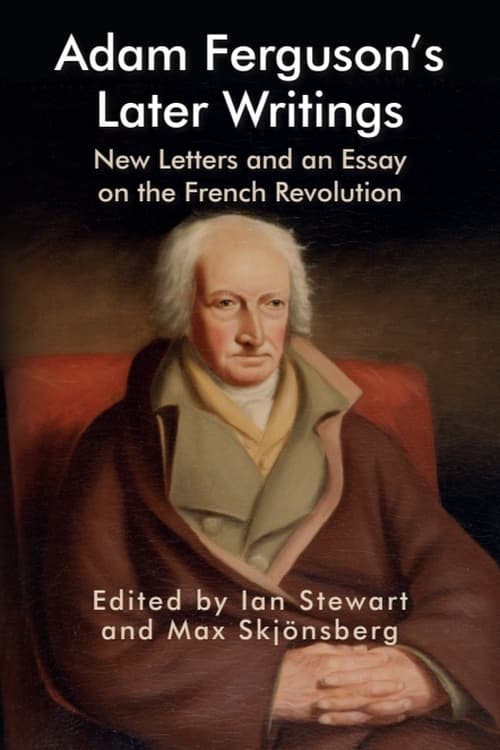
Ebook (EPUB)£24.99
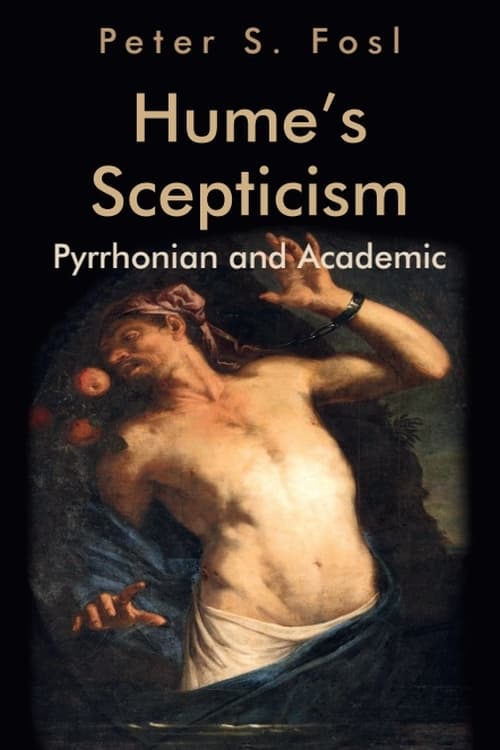
Ebook (EPUB)£33.99
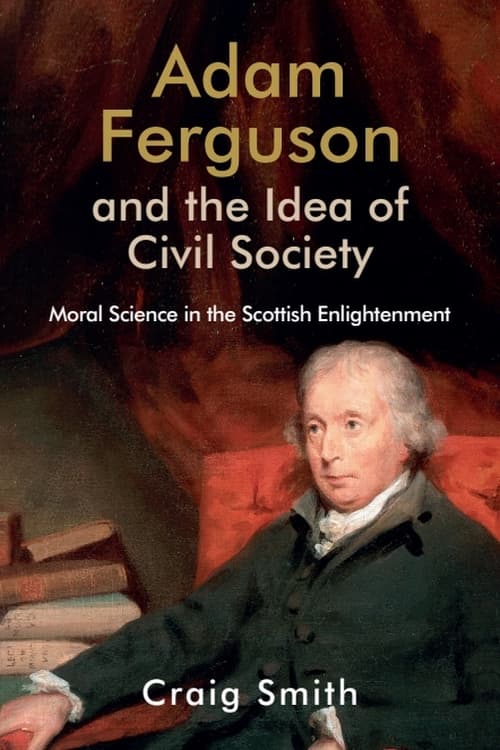
Ebook (EPUB)£23.99
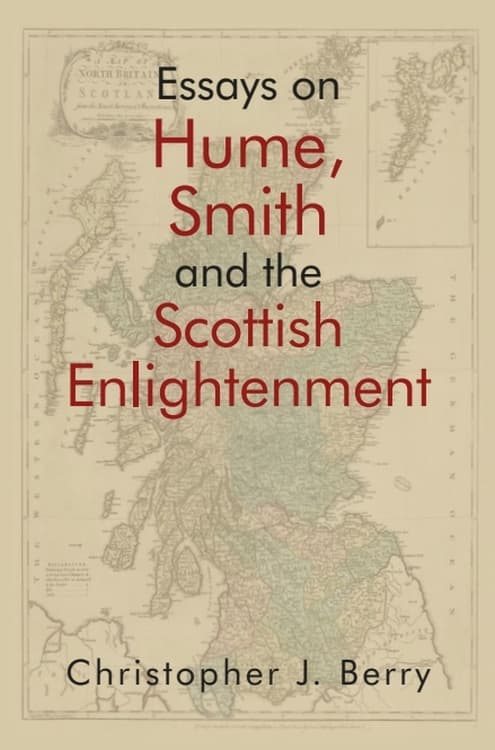
Ebook (EPUB)£33.99
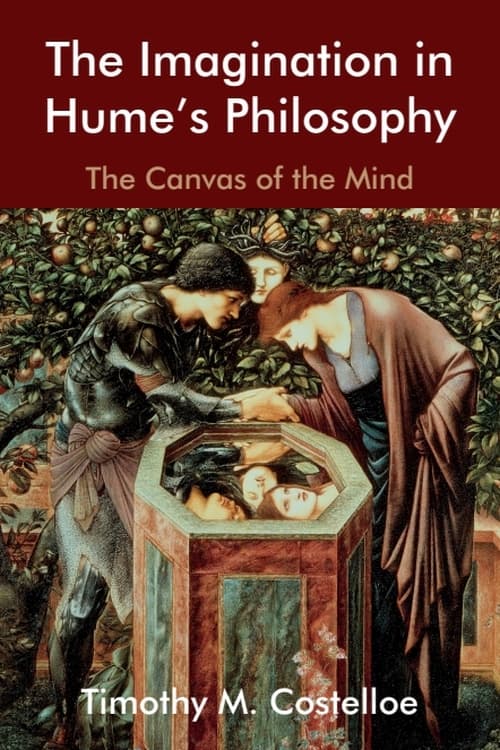
Ebook (EPUB)£31.00
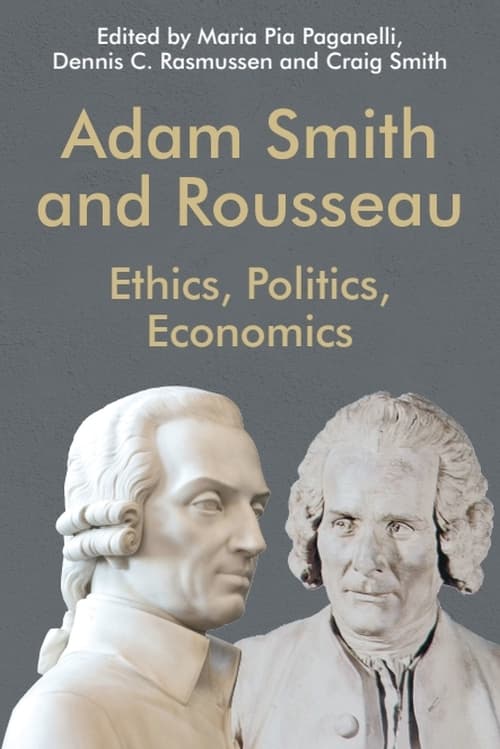
Ebook (EPUB)£31.00
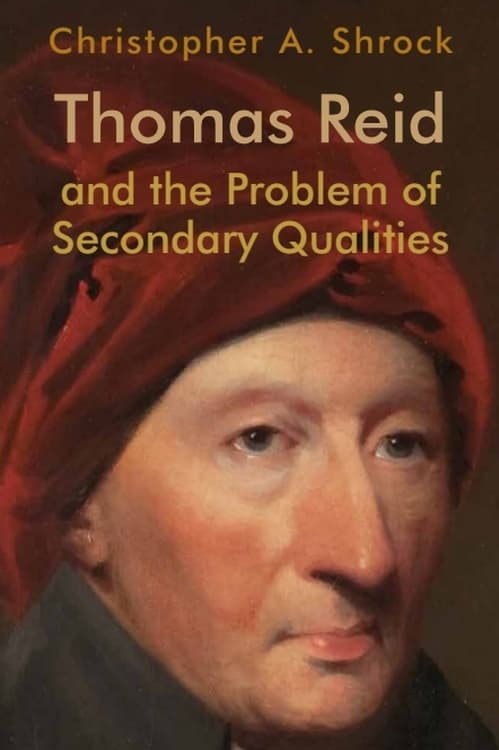
Ebook (EPUB)£25.99
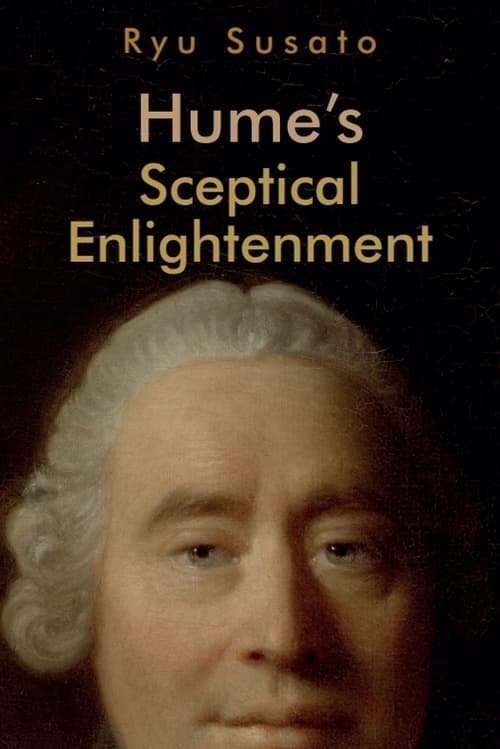
Ebook (EPUB)£31.00
Hardback£90.00
More in Scottish Studies
View all
Ebook (EPUB)£95.00
Ebook (EPUB)£95.00

Ebook (EPUB)£95.00

Ebook (EPUB)£95.00