Paperback£24.99
PoliticsIntelligence, Surveillance and Secret Warfare
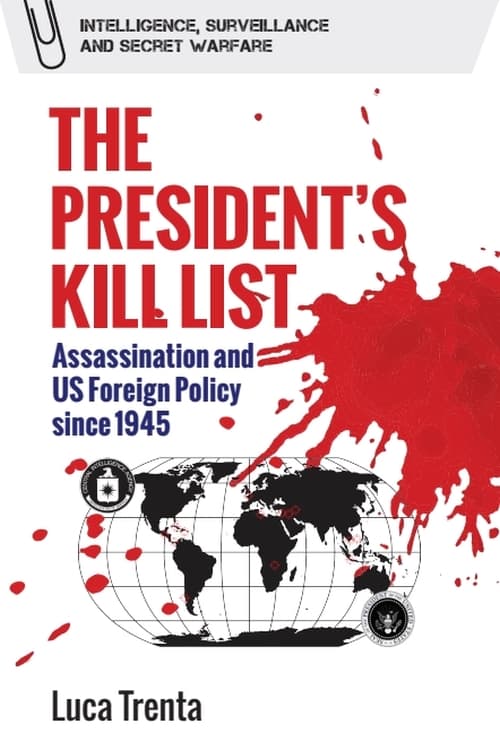
The President’s Kill List
Assassination and US Foreign Policy since 1945

Our ebooks are read in the Academic Reader app. After you buy, we’ll email you how to open your ebook in it.
Description
Investigates the US government’s involvement in the assassination of foreign officials from the early Cold War to the present day
- Winner of the Neustadt Book Prize 2024
- Traces continuities in the conduct of US foreign policy and in the arguments used to justify and legitimate assassination plots
- Details the direct and indirect methods deployed by the US government to assassinate foreign officials
- Utilises extensive and often recently declassified archival material to unveil new details of Cold War and post-Cold War plots
- Analyses the secretive decision-making surrounding assassination plots, as well as the extent, nature, and role of presidential orders to kill
- Explores and exposes the euphemisms, innuendos, silences, and denials that have long characterised the US government’s approach to assassination
From Fidel Castro to Qassem Soleimani, the US government has been involved in an array of assassinations and assassination attempts against foreign leaders and officials. The President’s Kill List reveals how the US government has relied on a variety of methods, from the use of poison to the delivery of sniper rifles, and from employing hitmen to simply laying the groundwork for local actors to do the deed themselves. It shows not only how policymakers decided on assassination but also the level of Presidential control over these decisions. Tracing the history of the US government’s approach to assassination, the book analyses the evolution of assassination policies and, for the first time, reveals how successive administrations - through private justifications and public legitimations – ensured assassination remained an available tool.
Want to dive in further? Listen to Luca Trenta discuss The President's Kill List on:
Contents
Introduction: The US Government and the Assassination of Foreign Officials
- Experimenting with Assassination: Brainwashing, Poison, and Early Cold War Plots
- Patrice Lumumba: Eisenhower’s Order to Kill
- Fidel Castro: The US Government’s Assassination Campaign against Cuba
- Rafael Trujillo: Assassination and the US Role in Covert Regime Change
- Ngo Dinh Diem: Preparing the Ground for Assassination
- René Schneider: Removing the Main obstacle to a Coup in Chile
- The Ban on Assassination: The ‘Season of Inquiry’ and the Fight Over the Prohibition on Assassination
- Muhammar Qaddafi: The Return of Assassination during the Reagan Years
- Manuel Noriega: Coups, Failed coups, and the Ban on Assassination
- Saddam Hussein: Assassination and the Long Confrontation between the US Government and Iraq
- Osama Bin Laden: Assassination and Counterterrorism on the Road to 9/11
Conclusion: Assassination, ‘targeted killings,’ and the ban since 9/11
Author
Reviews
Combining forensic research with nuanced, sophisticated judgment, Luca Trenta has produced the definitive account of arguably the most controversial issue in modern US foreign relations, one that will be welcomed by scholars and general readers alike.
This is a fascinating, well-written, and deeply researched book on murder as a method of U.S. foreign policy since 1945. Examining cases from Patrice Lumumba of the Congo in the early Cold War to Qassem Soleimani of Iran in recent years, Professor Trenta is fair-minded and thoughtful in his analysis of this extreme - and misguided - form of covert action occasionally adopted in America's approach to world affairs.
This breathtaking study of a controversial aspect of United States relations to the global south traces the rise, fall, and rise of assassination of foreign leaders. At the centre of the story is the 1970s ban on the technique as an obstacle circumvented with help from legal rationalization. Careful and scholarly, Trenta’s book is a model of devastating and enlightening inquiry.
This is a well-researched, timely, and valuable study of the United States' use of assassination as a tool of foreign policy.
The book’s outstanding documentary evidence base and its sophisticated judgements make it an excellent resource for scholars and students. Trenta takes a topic that often attracts caricature and conspiracy outside academia and conveys the complexity of policy-making and implementation. The book is a model of critical scholarship that is ideal for teaching about the unexceptional side of American foreign policy.
This is the first book to focus specifically on assassination as a tool of US foreign policy. The book systematically investigates US involvement in political killings around the world, from Patrice Lumumba to Qassem Soleimani. The book is well-documented and meticulously researched, important when dealing with such an emotive and explosive subject. In spite the topic’s notorious opacity, Trenta has been able to bring together a wealth of archival documents and interviews, acknowledging and plugging gaps.
Goes well with this book
From the same series or subject.
- The President’s Kill List, Ebook (EPUB), £24.99
- Iraqi Ba‘thists in America’s Cold War, Paperback, £24.99
- Intelligence, Security and the State, Ebook (EPUB), £95.00
From the same series
More in Intelligence, Surveillance and Secret Warfare
Ebook (EPUB)£95.00
Ebook (EPUB)£24.99
Ebook (EPUB)£24.99
Ebook (EPUB)£25.99
Ebook (EPUB)£31.00
Ebook (EPUB)£27.99
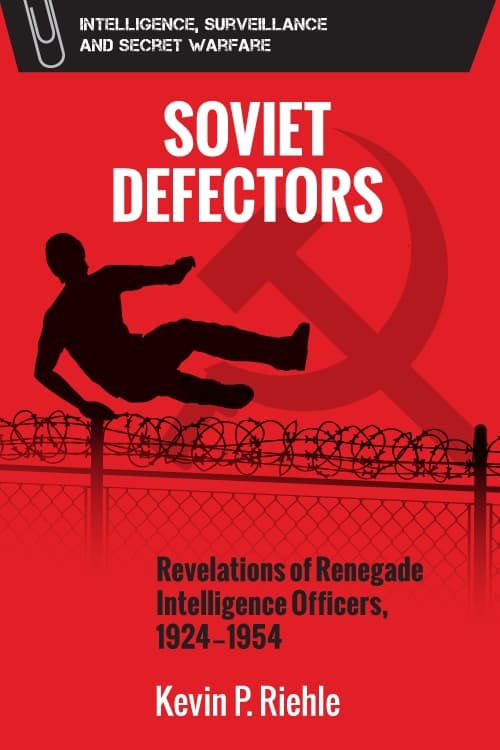
Ebook (EPUB)£22.99
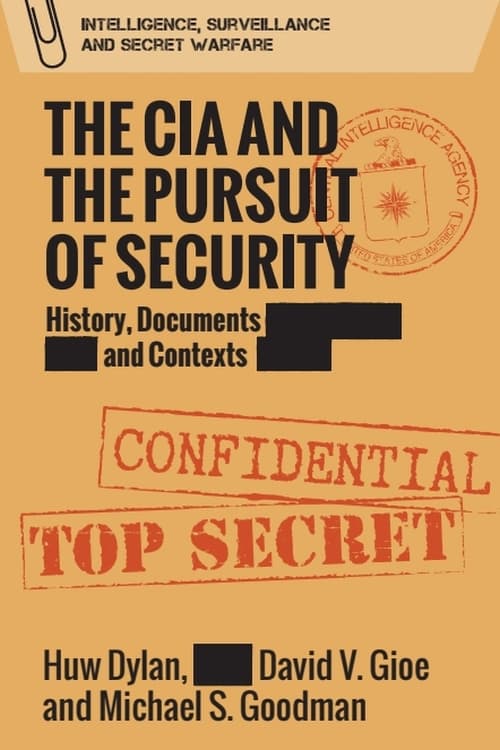
Ebook (EPUB)£33.99
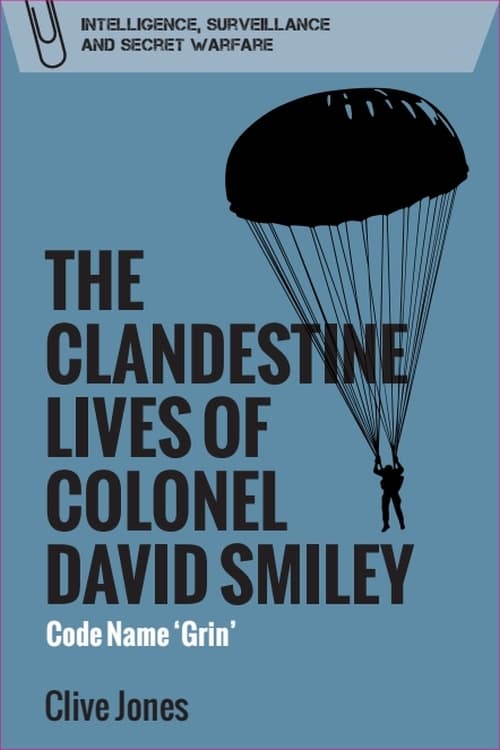
Ebook (EPUB)£29.99
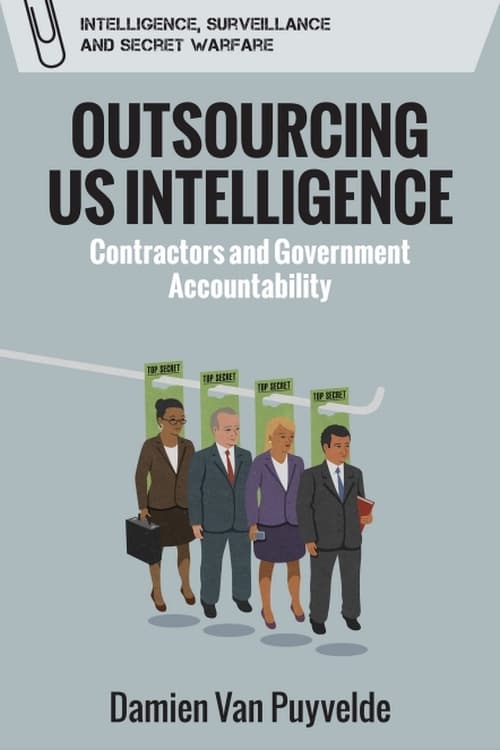
Ebook (EPUB)£23.99
Ebook (EPUB)£23.99
More in Politics
View all
Ebook (EPUB)£25.00
Ebook (EPUB)£25.00
Ebook (EPUB)£16.99

Ebook (EPUB)£24.99