Paperback£24.99
PoliticsIntelligence, Surveillance and Secret Warfare
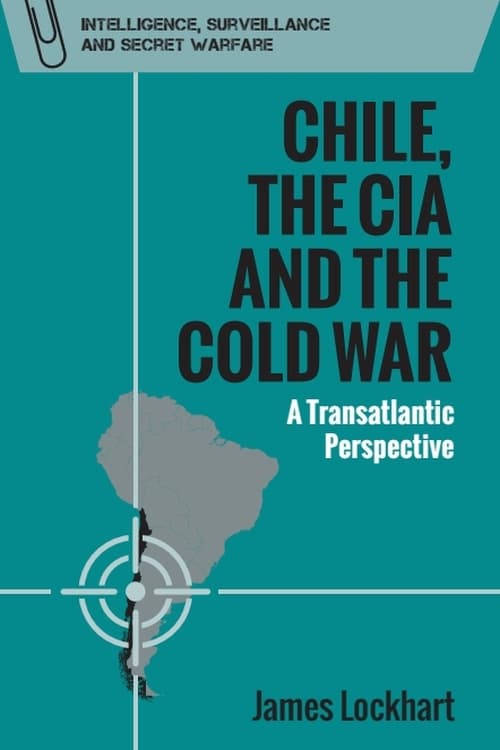
Chile, the CIA and the Cold War
A Transatlantic Perspective

Our ebooks are read in the Academic Reader app. After you buy, we’ll email you how to open your ebook in it.
Description
Reinterprets Chile and southern South America's Cold War experience from a transatlantic perspective
- Draws on archival sources from several countries, including recently declassified documents in the United States
- Explicitly connects Chile and the transatlantic origins of the whole Cold War to subsequent Chilean history from the late-1940s into the 1970s
- Acknowledges the importance and pertinence of intra-Latin American relations, particularly Chileans' relations with their neighbours
- Reconstructs Chile's early nuclear history and folds it into the larger whole of the Eisenhower administration's Atoms for Peace proposal and the IAEA's subsequent history, further mapping the emergence of the global nuclear landscape
- Find out more: listen to an interview with James Lockhart on the Scholars Strategy Network podcast
James Lockhart blends Chilean, inter-American and transatlantic national, regional and world-historical trends into a century-long Cold War narrative. He argues that Chileans made their own history as highly engaged internationalists while reassessing American and other foreign-directed intelligence, surveillance and secret warfare operations in Chile and southern South America.
The book transcends a well-known, US-centred historiography while offering a more equitable and global interpretation of Chile's Cold War experience than previously possible. This advances research that has progressively expanded the framework of Chile's Cold War experience since the arrest of General Augusto Pinochet in the UK for human rights violations more than 20 years ago.
Contents
Introduction
- The England of South America
- Chilean Anticommunism
- Gabriel González Videla and the Transatlantic Origins of the Cold War
- La Ley Maldita: The Law for the Permanent Defense of Democracy
- The Frei Administration
- The Viaux Movement
- Plan Alfa
- Cool and Correct
- Jefe de la Plaza: The Rise of Augusto Pinochet
Conclusion
Select BibliographyIndex
Author
Reviews
Lockhart’s well-written book uses an impressive array of multilingual sources from a number of countries. He does a fine job of situating US-Chilean relations not only chronologically (in the broad sweep of the twentieth century) but in a transatlantic fashion as well.
Chile, the CIA and the Cold War successfully contributes to the literature about the Cold War, United States–Chile relations and intelligence in Latin America. The book shows how Chileans shaped their own history, were ‘engaged internationalists’ within a multitude of different contexts and that foreign intelligence services were active in the country but were not the ‘deciders’ of Chilean Cold War experience.
This book is an excellent case study for historians of Latin America, the Cold War, and intelligence studies as well as international relations scholars, political geographers, and political scientists interested in intervention and statecraft.
This well researched and clearly written book argues coherently for Chilean agency in its own destiny, and places the activities of the CIA in an informed context.
Goes well with this book
From the same series or subject.
- Chile, the CIA and the Cold War, Ebook (EPUB), £23.99
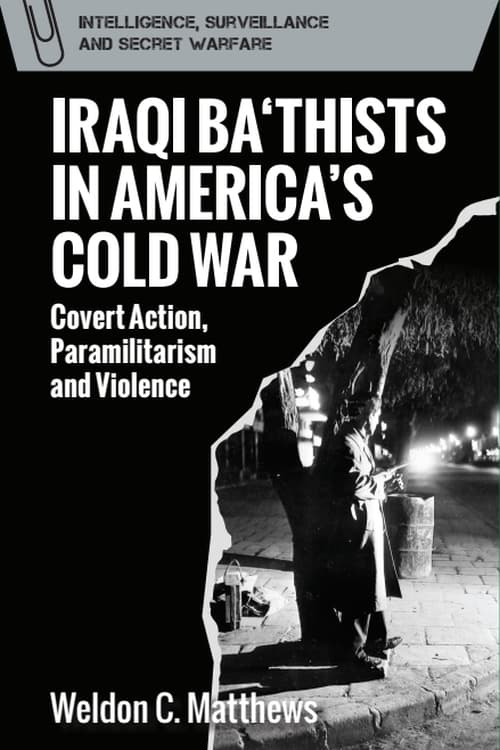
- Iraqi Ba‘thists in America’s Cold War, Paperback, £24.99
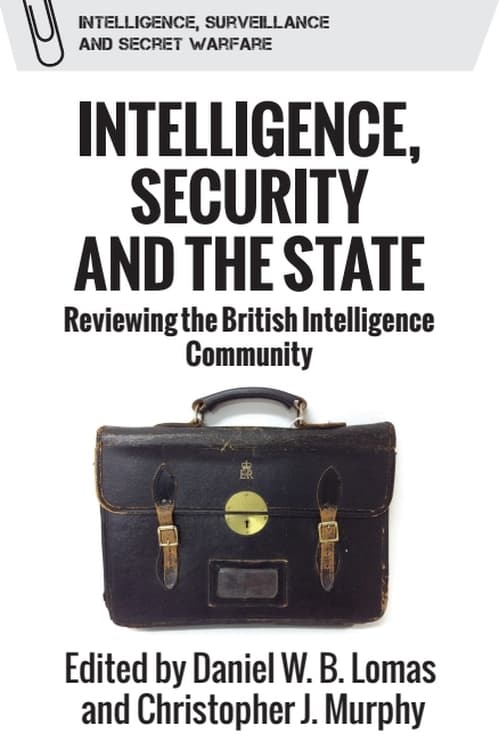
- Intelligence, Security and the State, Ebook (EPUB), £95.00
From the same series
More in Intelligence, Surveillance and Secret Warfare
Ebook (EPUB)£95.00

Ebook (EPUB)£24.99
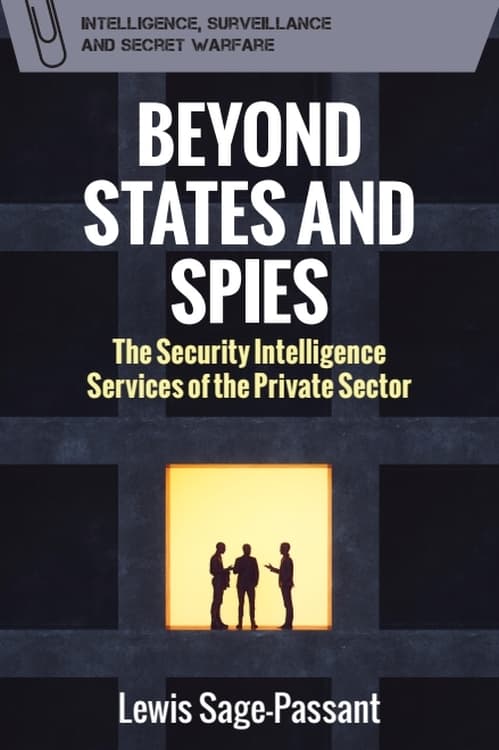
Ebook (EPUB)£24.99
Ebook (EPUB)£24.99

Ebook (EPUB)£25.99
Ebook (EPUB)£31.00

Ebook (EPUB)£27.99
Ebook (EPUB)£22.99
Ebook (EPUB)£33.99
Ebook (EPUB)£29.99

Ebook (EPUB)£23.99
More in Politics
View all
Ebook (EPUB)£25.00

Ebook (EPUB)£25.00

Ebook (EPUB)£16.99

Ebook (EPUB)£24.99