Ebook (EPUB)£19.99
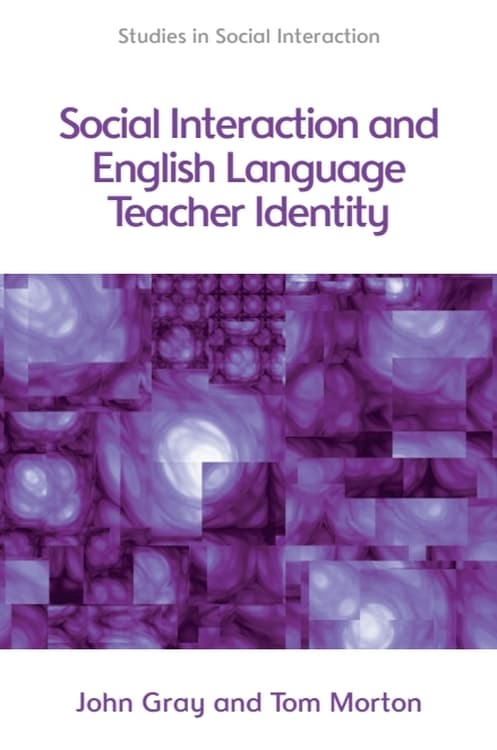
Language & LinguisticsStudies in Social Interaction
Social Interaction and English Language Teacher Identity

Our ebooks are read in the Academic Reader app. After you buy, we’ll email you how to open your ebook in it.
Description
Analyses how different English language teacher identities and power relationships are oriented to and made relevant in social interaction
This textbook uses analysis of interaction in a range of teacher education and professional practice settings in ELT to explore the different identities and power relationships which teachers orient to. It traces the role of identity and interaction in the processes of acquiring new teaching skills and knowledge, reflecting on professional practice and constructing teaching selves, and explores the limits and constraints on these processes imposed by global forces such as the marketization of education. The book is written for teachers, teacher educators, postgraduate students and researchers interested in the relationships between social interaction, identity and professional practice in ELT. It is suitable for use in conjunction with any postgraduate-level course on language in interaction, as it surveys and critically discusses various approaches and includes many practical examples.
Key features- Includes a full survey of different approaches to the study of language teacher learning and identity
- Provides an introduction to a range of frameworks for analyzing talk and identity in teacher education and professional practice contexts
- Analyses spoken data from activities such as guided lesson-planning, post-teaching reflection, discussions of teaching materials
- Each chapter ends with practice tasks, discussion points, and references for further reading
- Suitable for use in conjunction with any postgraduate-level course on language in interaction, as it surveys and critically discusses various approaches and includes many practical examples
Contents
1 Introduction
2 Identity – an overview
3 Social interaction and identity
4 Knowledge, power and identity in trainer-trainee interaction in pre-service English language teacher education
5 Positioning analysis of ESOL teachers’ ‘small stories’ about Individual Learning Plans (ILPs) in research interviews
6 The construction of language-related identity by non-native teachers in group discussion
7 English language teachers’ social class and political identity construction in group interaction
8 Queering the research interview: humour, play frames and frame breaking
9 English language teacher identity
Authors
Reviews
This book is a tremendously valuable addition to the emerging field of language teacher identity. The authors have made a powerful case for social interaction as a primary site for doing identity. Their immensely rich micro-analyses of what may appear to be commonplace professional interactions provide deep insights into the dynamic, fluid and complex nature of teacher identity. The book is a must read for (language) teachers and teacher educators, researchers and practitioners alike.
Part of the Studies in social interaction series, this book fittingly positions itself within the data-grounded exploration of identity through discourse, in this case of English language teachers without their students. [A range of case studies] present the varied and insightful selection of interactional contexts from which transcribed audio data are analysed, both to critically shed light on existing and emerging themes within Applied Linguistics/TESOL and to illustrate methodological approaches to social interaction, in keeping with the aims of the series.
Taken as a whole, this book constitutes a valuable read for three reasons. First, it contributes to studies on LTIs by shifting research focus from traditional classroom interactions to a wide range of social interactions… Second, the authors’ adoption of an overall contextual or ecological perspective which incorporates different levels of analysis in LTIs makes this work strikingly attractive… Third, from a methodological perspective, this work sheds light on the use of narrative inquiry in LTI research. Compared with previous studies, this book offers a new and creative perspective in the use of narrative… In short, Gray and Morton’s work provides a delicate and transdisciplinary examination of LTIs in a broader context.
I applaud the authors for placing social interaction front and centre in LTI research. I also appreciate their willingness to take on the precarity of discussing key issues such as social class and sexuality—issues that have often been overlooked in language teacher education... I teach a graduate seminar on identity and ideology in multilingual settings…the timeliness of this book and its theoretical and methodological detail have coaxed me into making this volume a primary course text…I urge other teacher educators to do the same because a book like this is necessary if we are to make language teacher identity a central facet of language teacher education.
It is not often one comes across a scholarly work that is a page-turner. For those with any interest in language teacher identity whatsoever, this book certainly is. It is about English language teacher identities and the ways they are performed and emerge in social interaction – and how they are analysed. The coverage of theory and research is both accessible and comprehensive. Applications and implications for teacher education and teaching practice are suggested, as are directions for future research. Tackling so much in one volume, in such a readable form, is an outstanding accomplishment by the authors.
This book marks a before and after in the field of on language teacher identity. If previous books have focused on one or two issues or themes, such as teachers’ professional identities or issues around gender, race and religion, this book is far more comprehensive in scope. It takes on these issues and themes, but it also includes in-depth discussions of language teacher identity in terms of social class, LGBT identity and teacher’s orientations to languages. Drawing on a range of analytical frameworks, from membership categorisation analysis to stance, the authors focus on the interactions and self-representations of teachers across a range of contexts. The book is beautifully written and without a doubt a must read for anyone interested in this all-important area of research in language education.
Goes well with this book
From the same series or subject.
- Social Interaction and English Language Teacher Identity, Ebook (EPUB), £33.99
- Social Interaction and Professional Identity in Allied Healthcare Education, Ebook (EPUB), £19.99
- Human Spoken Interaction as a Complex Adaptive System, Ebook (EPUB), £19.99

From the same series
More in Studies in Social Interaction
Ebook (EPUB)£19.99
Ebook (EPUB)£22.99
Ebook (EPUB)£33.99
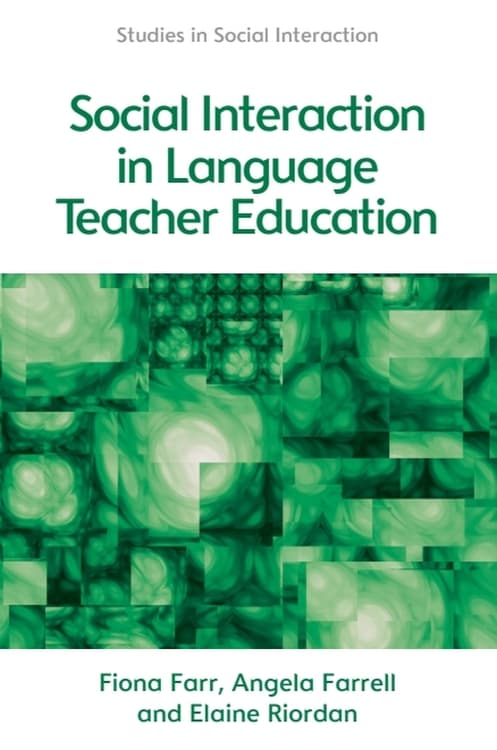
Ebook (EPUB)£33.99

Ebook (EPUB)£33.99
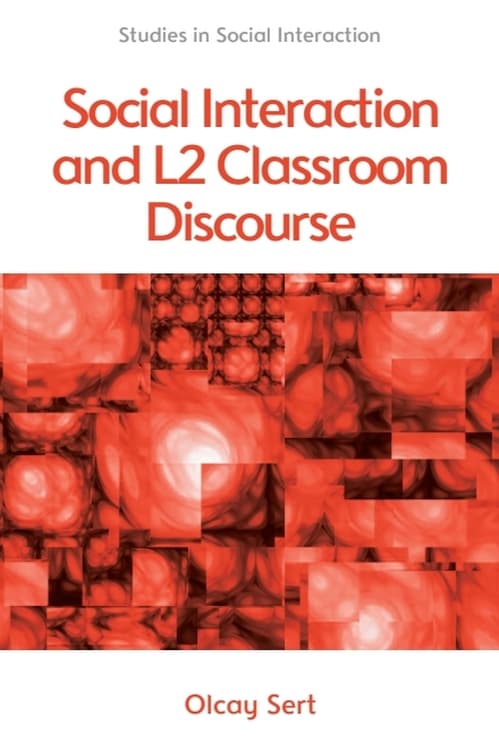
Ebook (EPUB)£33.99
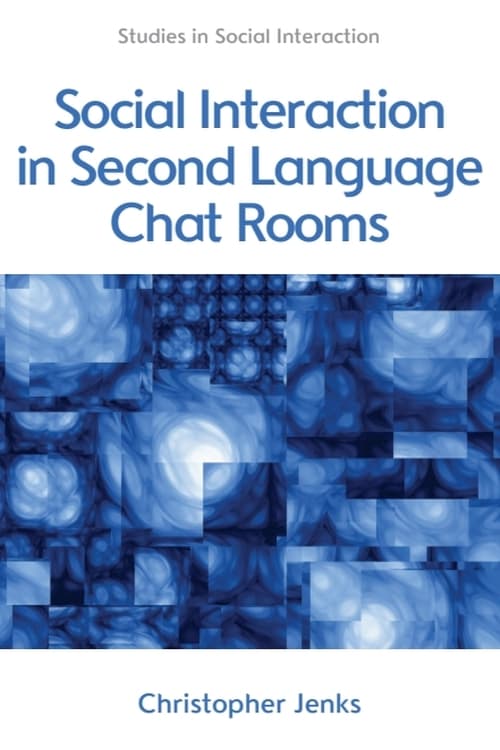
Ebook (EPUB)£33.99
More in Language & Linguistics
View all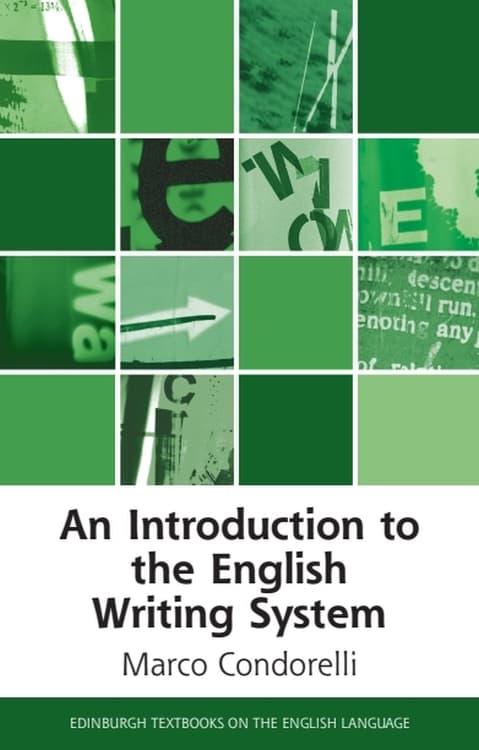
Ebook (EPUB)£19.99

Ebook (EPUB)£125.00
Ebook (EPUB)£105.00

Ebook (EPUB)£95.00
Ebook (EPUB)£90.00