Ebook (EPUB)£19.99
Language & LinguisticsStudies in Social Interaction
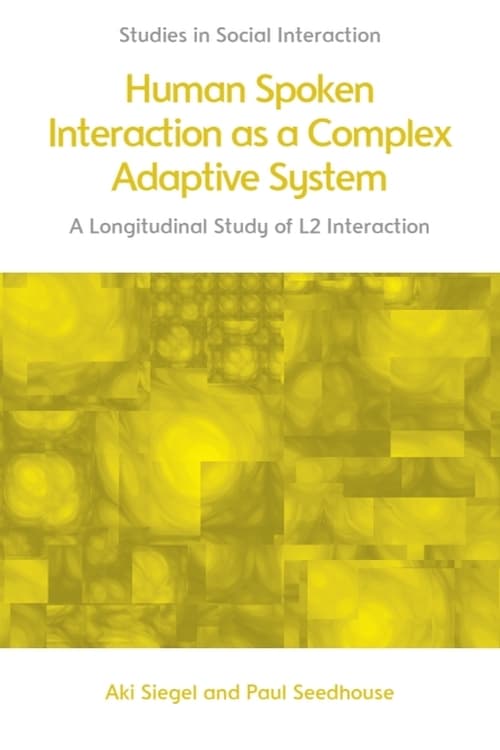
Human Spoken Interaction as a Complex Adaptive System
A Longitudinal Study of L2 Interaction

Our ebooks are read in the Academic Reader app. After you buy, we’ll email you how to open your ebook in it.
Description
Traces the non-linear dynamic longitudinal L2 development of word search sequences in informal social interaction using Conversation Analysis and Complexity Theory
- Provides an analytical framework which can be applied to spoken communication in any setting
- Explains and unites two high-profile research methodologies: Conversation Analysis and Complexity Theory
- Draws on 37 hours of video-recorded social conversations across two years between students from a range of countries including: Botswana, Canada, China, Japan, Korea, Indonesia, Romania, Thailand, the United States, Uzbekistan, and Vietnam
- Demonstrates longitudinal development of L2 interactional competence of Japanese learners of English through informal English as a Lingua Franca (ELF) interaction
Human Spoken Interaction as a Complex Adaptive System explains how human spoken communication functions, combining two separate complex adaptive systems: the universal ‘interaction engine’ and language(s), which now number around 7,000. Siegel and Seedhouse offer a comprehensive overview of how the components and processes of the interaction engine work together to enable us to understand each other, whatever the language. Through combining Complexity Science and Conversation Analysis, this book explains how to simultaneously analyse spoken interaction on micro and macro scales. Detailed analyses of L2 learners reveal them to be simultaneously expert in using the interaction engine and inexpert in using the specific language. The study shows that the basic characteristics of the interaction engine are the same as for other life-related complex systems and that it is possible to access the perspectives of participants inside this complex adaptive system as it is evolving.
Find out more about the book:
Contents
Dedications
List of Figures and Tables
Acknowledgements
Overview
1. Introduction to Human Spoken Interaction as a Complex Adaptive System
2. L2 Interaction: Word Searches, Development and CDST
3. Mirroring Methodology
4. Patterns of Word Search Sequences at the Group Level
5. Longitudinal Changes in Word Search Sequences
6. Seeing Human Spoken Interaction as a Complex Adaptive System
7. Conclusions and Implications
Appendix 1: Recording of Participants
Appendix 2: Transcription Conventions
References
Index
Authors
Reviews
Highly recommended, it is eminently readable for both newcomers to Complex Dynamic Systems Theory (CDST) and thought-provoking for experienced academics. Using CDST as a metatheory and Conversation Analysis as a methodology, it expands upon the claim that language is a complex adaptive system, to propose that human spoken interaction, a second underlying system, is also a complex adaptive system.
The groundbreaking focus of this book opens up a new analytical dimension in the study of spoken interaction, and one with immense potential for development. Its combination of close analysis and deep conceptual engagement should make it essential reading on any course in the field.
Goes well with this book
From the same series or subject.
- Human Spoken Interaction as a Complex Adaptive System, Ebook (EPUB), £19.99
- Social Interaction and Professional Identity in Allied Healthcare Education, Ebook (EPUB), £19.99
- Multimodal Participation and Engagement, Ebook (EPUB), £22.99
From the same series
More in Studies in Social Interaction
Ebook (EPUB)£22.99
Ebook (EPUB)£33.99
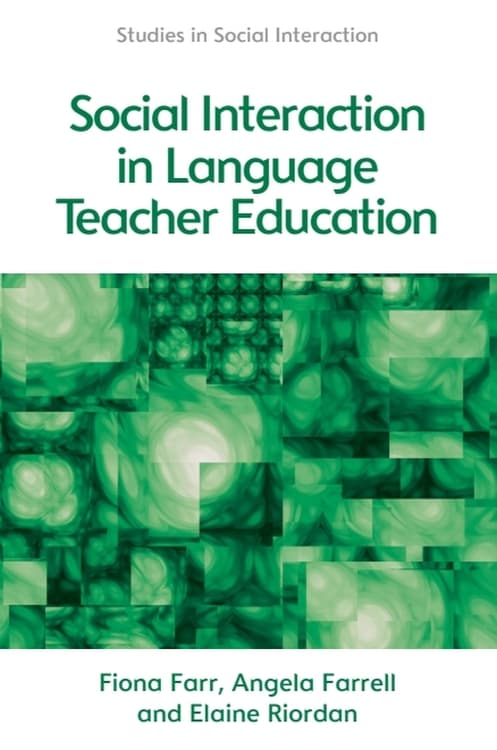
Ebook (EPUB)£33.99
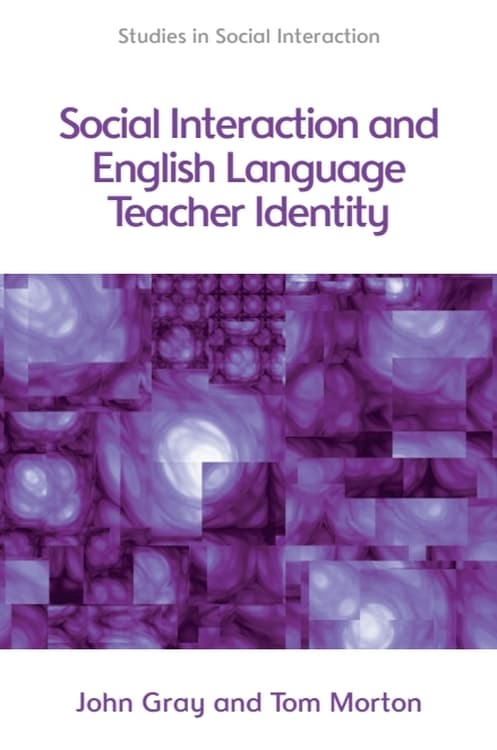
Ebook (EPUB)£33.99
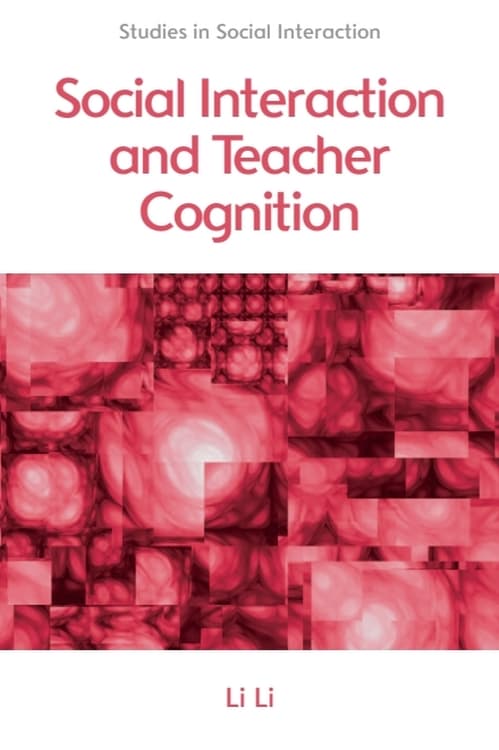
Ebook (EPUB)£33.99
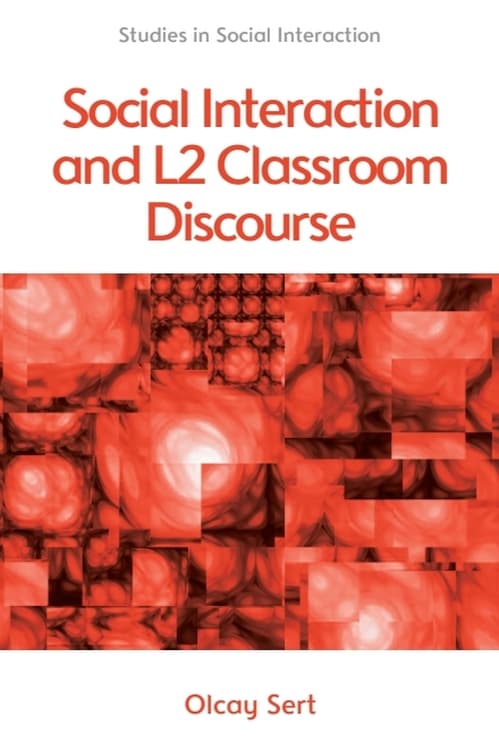
Ebook (EPUB)£33.99
Ebook (EPUB)£33.99
More in Language & Linguistics
View all
Ebook (EPUB)£19.99

Ebook (EPUB)£125.00
Ebook (EPUB)£105.00

Ebook (EPUB)£95.00
Ebook (EPUB)£90.00