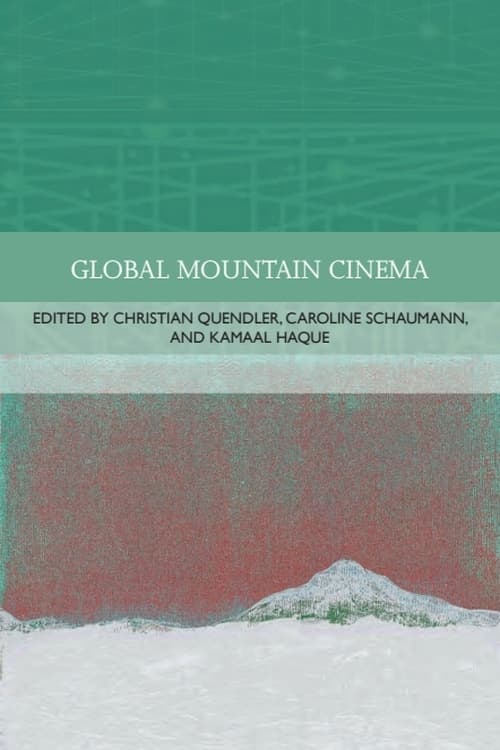
Free to read
Read Global Mountain Cinema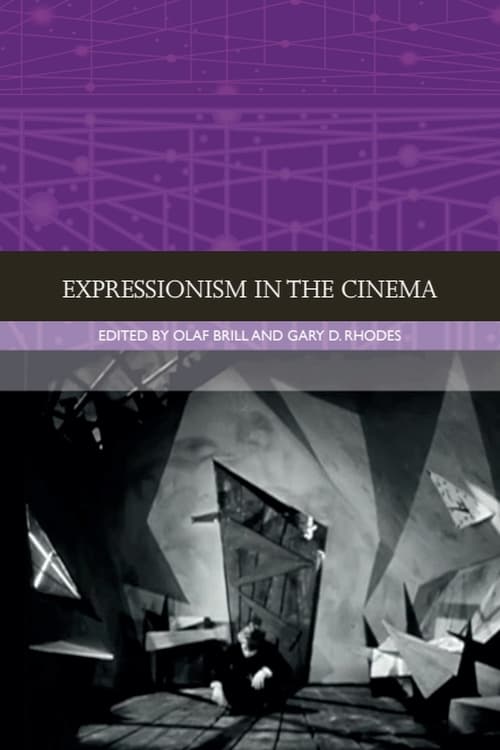
Film StudiesTraditions in World Cinema
Expressionism in the Cinema

Our ebooks are read in the Academic Reader app. After you buy, we’ll email you how to open your ebook in it.
Description
From classical to contemporary narratives, this book redefines the expressionist aesthetic
One of the most visually striking traditions in cinema, for too long Expressionism has been a neglected critical category of research in film history and aesthetics. The fifteen essays in this anthology remedies this by revisiting key German films like The Cabinet of Dr. Caligari (1920) and Nosferatu (1922), and also provides original critical research into more obscure titles like Nerven (1919) and The Phantom Carriage (1921), films that were produced in the silent and early sound era in countries ranging from France, Sweden and Hungary, to the United States and Mexico.
An innovative and wide-ranging collection, Expressionism in the Cinema re-canonizes the classical Expressionist aesthetic, extending the critical and historical discussion beyond pre-existing scholarship into comparative and interdisciplinary areas of film research that reach across national boundaries.
Contributors- Steve Choe, University of Iowa
- Paul Cuff, University of Warwick
- Thomas Elsaesser, University of Amsterdam
- Robert Guffey, California State University-Long Beach
- Graeme Harper, Oakland University (Michigan)
- David J. Hogan, Independent Scholar
- Mirjam Kappes, Independent Scholar
- Bernard McCarron, Independent Scholar
- Daniel Rafaelic, Independent Scholar
- Robert Singer, CUNY Graduate Center
- Philip Sipiora, University of South Florida
- John Soister, Independent Scholar
Contents
Acknowledgements; Editors’ Introduction; Section I: Expressionism in German Cinema; Expressionist Cinema: Style and Design in Film History, Thomas Elsaesser; Of Nerves and Men: Postwar Delusion and Robert Reinert’s Nerven, Steve Choe; Franjo Ledić: A Forgotten Pioneer of German Expressionism, Daniel Rafaelić; Expressionist Film and Gender: Genuine, A Tale of a Vampire (1920), Mirjam Kappes; ‘The Secrets of Nature and Its Unifying Principles’: Nosferatu (1922) and Jakob von Uexküll on Umwelt, Steve Choe; Raskolnikow (1923): Russian Literature as Impetus for German Expressionism, John T. Soister; Section II: Expressionism in Global Cinema; The Austrian Connection: The Frame Story and Insanity in Paul Czinner’s Inferno (1919) and Fritz Freisler’s The Mandarin (1918), Olaf Brill; ‘The rewakening of French cinema’: expression and innovation in Abel Gance’s J’accuse! (1919), Paul Cuff; Here Among the Dead: The Phantom Carriage (1921) and the Cinema of the Occulted Taboo, Robert Guffey; Drakula halála (1921): The Cinema’s First Dracula, Gary D. Rhodes; Le Brasier ardent (1923): Ivan Mosjoukine’s clind’œil to German Expressionism, Bernard McCarron; Nietzsche’s Fingerprints on The Hands of Orlac (1924), Phillip Sipiora; ‘True, Nervous’: American Expressionist Cinema and the Destabilized Male, Robert Singer; Dos monjes (1934) and the Tortured Search for Truth, David J. Hogan; Maya Deren in Person in Expressionism, Graeme Harper; Author Biographies; Index
Authors
Reviews
The essays in Brill and Rhodes’ Expressionism in the Cinema not only extend the scholarship on Expressionist films, though that, in itself, would be ample contribution. They also capture the essence—the imagery, the irony, the worldview—that animates these films, and create thoughtful connections to wider social and cultural processes.
‘Whoever reduced Expressionism to German silent cinema so far, will be positively surprised by the multifariously told colourful mixture of international texts.’
'Expressionism in the Cinema is itself a production of variegated efforts. It is diverse. It is polytechnic. It ranges from the purely Expressionistic production to the margins of Expressionistic influence. It combines fine critical insights with imaginative intellectual linkages. In this manner, the authors do in fact achieve an authoritative appraisal of Expressionist cinema, both within and without Germany.'
This wide-ranging collection reworks the canon of Expressionistic cinema—which means it goes beyond the handful of German titles likely familiar to film buffs. The book’s fifteen essays revisit key German films like The Cabinet of Dr. Caligari (1920), Nosferatu (1922), and The Hands of Orlac (1924), and also provide new consideration of more obscure titles like Nerven (1919), The Phantom Carriage (1921) and other films produced outside Germany—notably in France, Sweden, Hungary, Austria and elsewhere. For me, the real eye opener is Rhodes’ contribution to the book, "Drakula halála(1921): The Cinema’s First Dracula." Yes, you read that right. There was a "Dracula film" before F. W. Murnau’s classic Nosferatu (1922), and before Tod Browning’s familiar Dracula (1931)…In his fascinating essay, Rhodes argues that Drakula halála beat Nosferatu to the punch. Or should I say, it got the first bite.'
Goes well with this book
From the same series or subject.
- Expressionism in the Cinema, Ebook (EPUB), £31.00
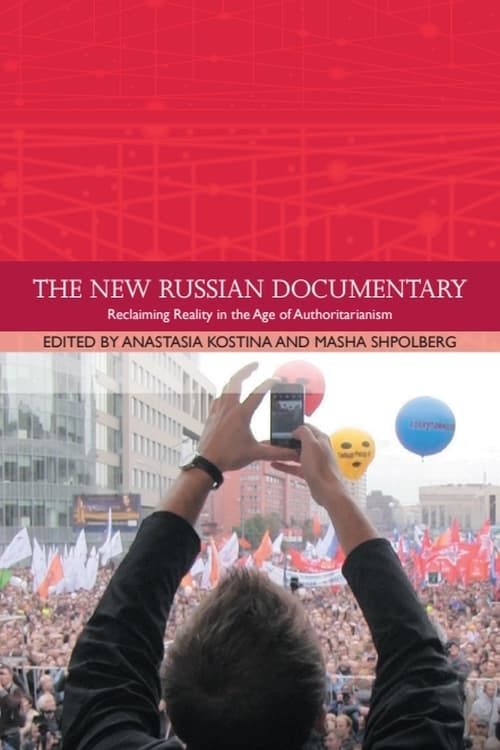
- The New Russian Documentary, Ebook (EPUB), £90.00
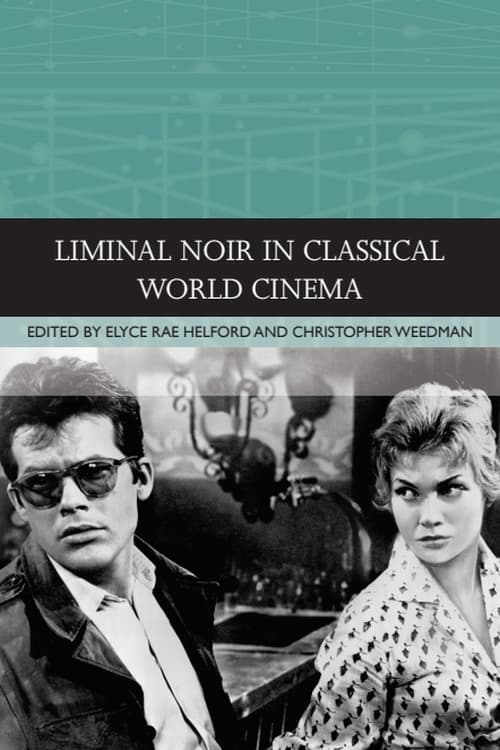
- Liminal Noir in Classical World Cinema, Ebook (EPUB), £19.99
From the same series
More in Traditions in World Cinema
Ebook (EPUB)£90.00
Ebook (EPUB)£19.99
Ebook (EPUB)£19.99
Ebook (EPUB)£19.99
Ebook (EPUB)£20.99

Ebook (EPUB)£25.99
Ebook (EPUB)£20.99
Ebook (EPUB)£25.99

Ebook (EPUB)£20.99
Ebook (EPUB)£27.99
Ebook (EPUB)£22.99
More in Film Studies
View all
Ebook (EPUB)£90.00

Ebook (PDF)£19.99
Ebook (EPUB)£95.00
£24.99