Free to read
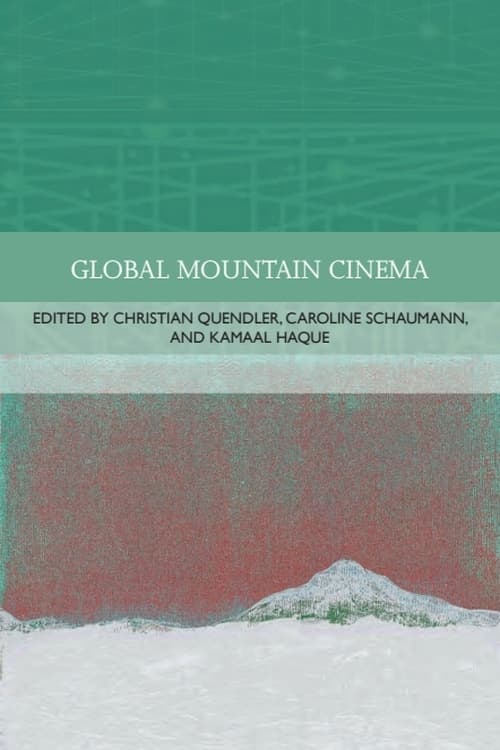
Read Global Mountain Cinema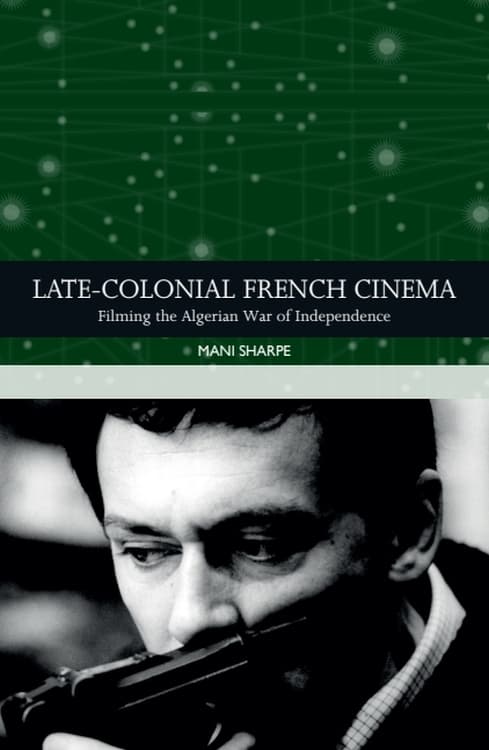
Film StudiesTraditions in World Cinema
Late-colonial French Cinema
Filming the Algerian War of Independence

Our ebooks are read in the Academic Reader app. After you buy, we’ll email you how to open your ebook in it.
Description
Offers a sustained analysis of a cluster of French films made during, and in response to, the Algerian War of Independence
- Identifies and analyses a previously unidentified trend in modern French cinema
- Addresses a ‘late-colonial’ gap in scholarship on cultural histories of de-colonisation, between the colonial and the post-colonial
- Defines late-colonial cinema as trans-generic ‘body’ of films, bound up with various cinematic traditions and tendencies, including the French New Wave, film noir, the World War Two combat film, observational documentaries, Soviet Montage cinema, parallel cinema, and settler cinema
- Combines textual analysis of fifteen case studies with contextual analysis of late-colonial French culture, politics and society
- Deploys a different critical approach in each chapter. These include star studies, documentary studies, gender studies and space studies, among others
Deploying the term ‘late-colonial’ to describe a body of largely French films made during, and in response to, the Algerian War of Independence (1954-1962), this book revolves around one question – what is late-colonial French cinema? – generating two answers.
Firstly, Sharpe argues that late-colonial cinema represents a formally and thematically important, yet unappreciated tendency in French cinema; one that has largely been overshadowed by a scholarly focus on the French New Wave. Secondly, Sharpe contends that whilst late-colonial French cinema cannot be seen as a coherent cinematic movement, school of filmmaking, or genre, it can be seen as a coherent ethical trend, with many of the fifteen central case studies explored in Late-colonial French Cinema filtering the Algerian War of Independence through a discourse of ‘redemptive pacifism’.
Contents
Introduction
Part I: Soldiers
- Conscripts and reservists, privatisation and redemption
- Stardom, atrocity, and the beauty of violence
- Militarised masculinity and its losses
Part II: Others
- Ex-Resistants, conscientious objectors and the ethics of memory
- Female citizens and guilt displacement
- The War as seen from Algeria by the settlers
- The War as spoken by Algerians and the Left
Conclusion
Author
Reviews
This is a book full of riches, combining scholarship and style. The research is meticulous, the contextualisation magisterial. A major contribution to cultural history as much as to film studies, Sharpe’s work forms a missing piece of the jigsaw regarding French cinematic representations of Algeria.
In this expertly written book, Mani Sharpe uncovers a buried web of French late-colonial film. A varied array of shorts and features expose and dissimulate a dissolving French-Algeria. Sharpe's exploration of masculinity and militantism in these resurfacing artifacts demands our immediate attention.
Goes well with this book
From the same series or subject.
- Late-colonial French Cinema, Ebook (EPUB), £25.99
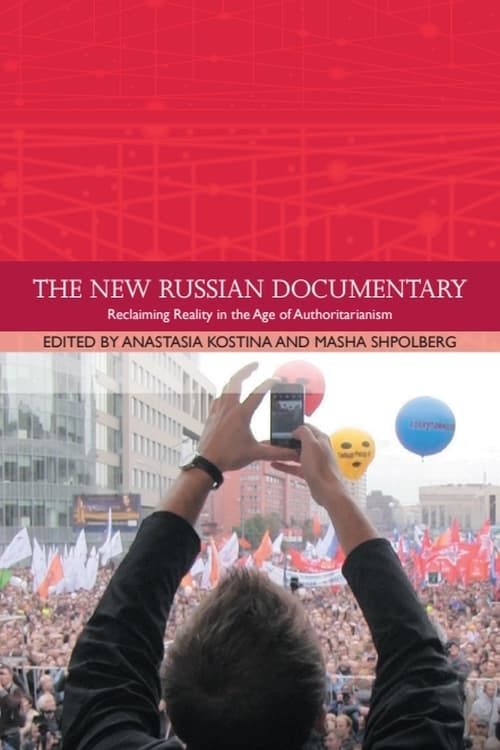
- The New Russian Documentary, Ebook (EPUB), £90.00
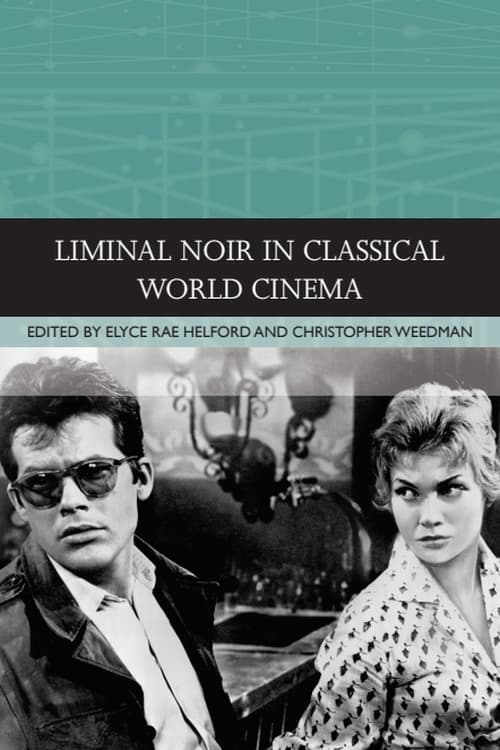
- Liminal Noir in Classical World Cinema, Ebook (EPUB), £19.99
From the same series
More in Traditions in World Cinema
Ebook (EPUB)£90.00
Ebook (EPUB)£19.99
Ebook (EPUB)£19.99
Ebook (EPUB)£19.99
Ebook (EPUB)£20.99
Ebook (EPUB)£20.99
Ebook (EPUB)£25.99
Ebook (EPUB)£20.99
Ebook (EPUB)£27.99
Ebook (EPUB)£22.99
Ebook (EPUB)£22.99
More in Film Studies
View all
Ebook (EPUB)£90.00
Ebook (PDF)£19.99
Ebook (EPUB)£95.00
£24.99