Free to read
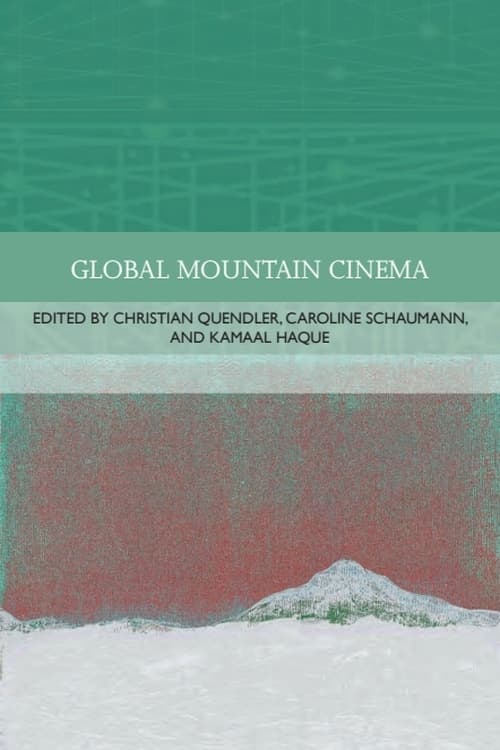
Read Global Mountain Cinema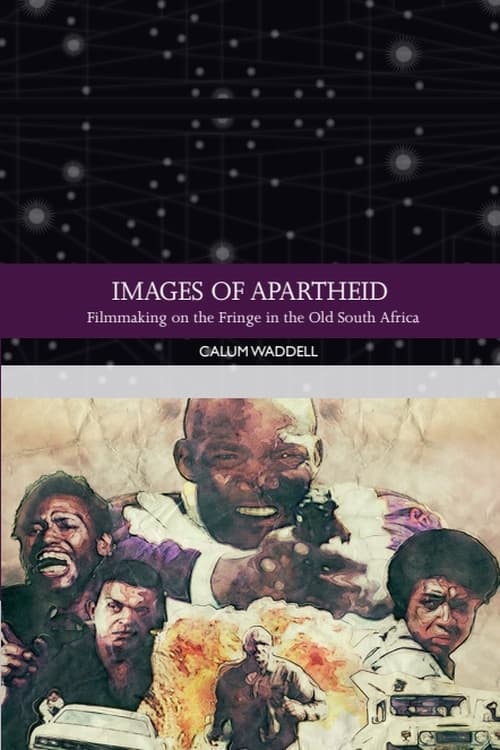
Film StudiesTraditions in World Cinema
Images of Apartheid
Filmmaking on the Fringe in the Old South Africa

Our ebooks are read in the Academic Reader app. After you buy, we’ll email you how to open your ebook in it.
Description
Provides the first study of South Africa’s B-Scheme cinema
- Identifies a South African cinema of low-budget blaxploitation
- Features many interviews with South African filmmakers, conducted as part of the research
- Provided audiences of the time with unique, apartheid-era adaptations of popular blaxploitation films such as Shaft (1971) and Super Fly(1972)
Images of Apartheid: Filmmaking on the Fringe in the Old South Africa is an exploration of the low budget, black-action cinema that emerged in South Africa during the 1970s and led to subsequent gangster and race-conflict films that defined an era of prolific genre activity, from Joe Bullet (1973) to American Ninja 4 (1990). Contextualising and documenting the cheap, government-funded ‘B-Scheme’ films, largely unseen since the fall of the National Party, but also acknowledging the impact of international co-productions such as The Wild Geese (1978) and locally made provocation, including the classic Mapantsula (1988), this study is an exhaustive tour of race-representation and state-subsidised subversion. Also discussing the political turbulence of the era, Images of Apartheid argues that so-called ‘ZAxploitation’ should be considered within both localised and wider international paracinematic networks of genre adaptation, resulting in the identification of a uniquely South African form of trash and treasure, and schlock and awe.
Contents
AcknowledgementsIntroduction
1. That’s Zaxploitation! South African Blaxploitation
2. Joe Bullet: The Unacknowledged Blaxploitation Hero
3. Simon Sabela: Blaxploitation icon?
4. Into The Bioscope: The South African B-Scheme Explosion of the 1980s
5. Crime Does Not Pay: Morality in the B-Scheme
6. The Badass: Stickin’ it to Apartheid?
7. For The Common Good? The ZAxploitation Buddy Movie
8. Be More Like Miriam: The Women of ZAxploitation
10. Armed and Dangerous: The Border War
10. A Different Kind of Gangster Cinema? Mapantsula and a state of ‘Panic’
ConclusionBibliography
Author
Reviews
Waddell examines South African (or B-scheme films), i.e., the country's iteration of Hollywood blaxploitation. ZAxploitation cinema was surreptitiously tainted by the apartheid ideological undertones because it was supported by the National Party regime, which provided financial underwriting in the background. These low-budget exploitation films reimagined Black lives in a modernized (rural and urbanized) context. Waddell's book is in conversation with Ken Harrow’s Trash: African Cinema from Below (2013) and Tomaselli’s Encountering Modernity: Twentieth Century South African Cinema (2006). Summing Up: Recommended. Lower-division undergraduates through faculty.
Waddell examines South African (or B-scheme films), i.e., the country's iteration of Hollywood blaxploitation. ZAxploitation cinema was surreptitiously tainted by the apartheid ideological undertones because it was supported by the National Party regime, which provided financial underwriting in the background. These low-budget exploitation films reimagined Black lives in a modernized (rural and urbanized) context. Waddell's book is in conversation with Ken Harrow’s Trash: African Cinema from Below (2013) and Tomaselli’s Encountering Modernity: Twentieth Century South African Cinema (2006). Summing Up: Recommended. Lower-division undergraduates through faculty.
Images of Apartheid is a game changer, offering next generation analysis. Waddell’s fresh, supremely nuanced eye upends inherited assumptions and overturns received analytical frameworks. He provides new ways of making sense of ‘fringe’ sectors of South African cinema watched by many but ignored or inappropriately judged by most scholars of South African films. Crucially, Waddell’s research is based on intense viewing of the films discussed, dredged up from dusty vaults. He interviews their makers, and he offers an intelligent reading of South African generated scholarly literature. Moreover, this is an easy book to read, compelling and wonderfully engaging.
Waddell fills a gap in global cinematic histories by illustrating Blaxploitation cinema’s influence on South Africa’s oft-overlooked Zaxploitation films. Thoroughly researched, this book demonstrates how Zaxploitation filmmakers were at times able to create critical cinematic interventions that challenged the apartheid status quo. A must read for cinema and cultural scholars.
Goes well with this book
From the same series or subject.
- Images of Apartheid, Ebook (EPUB), £20.99
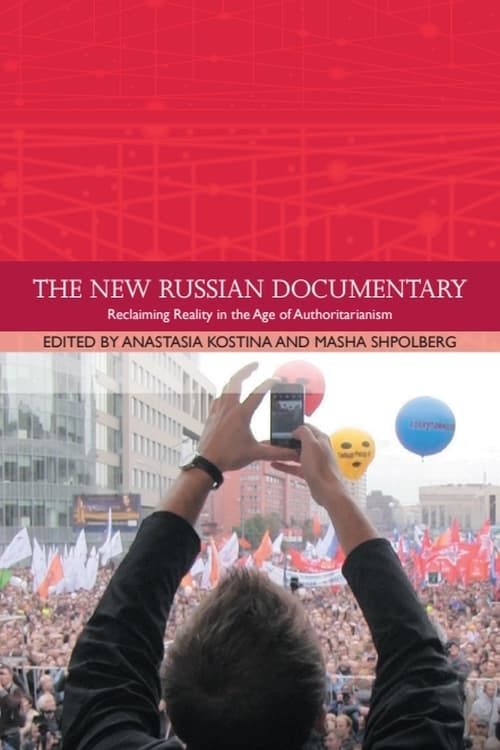
- The New Russian Documentary, Ebook (EPUB), £90.00
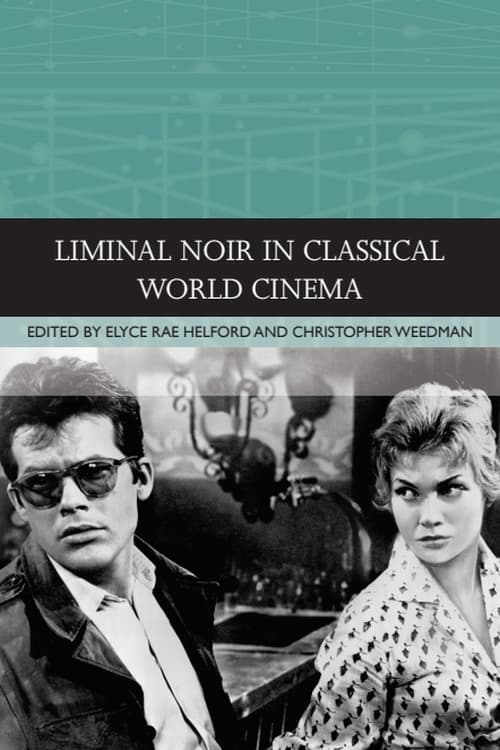
- Liminal Noir in Classical World Cinema, Ebook (EPUB), £19.99
From the same series
More in Traditions in World Cinema
Ebook (EPUB)£90.00
Ebook (EPUB)£19.99
Ebook (EPUB)£19.99
Ebook (EPUB)£19.99
Ebook (EPUB)£20.99
Ebook (EPUB)£25.99
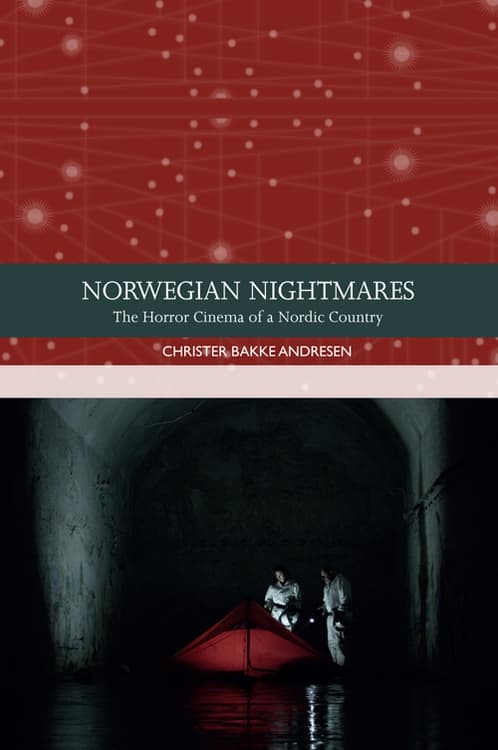
Ebook (EPUB)£20.99
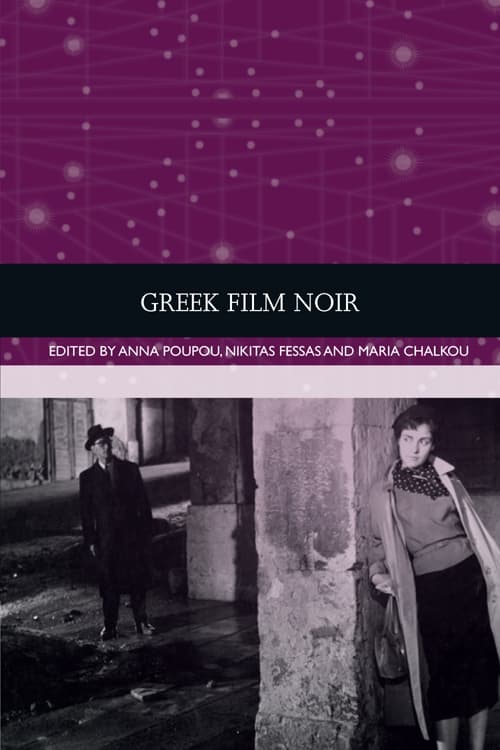
Ebook (EPUB)£25.99
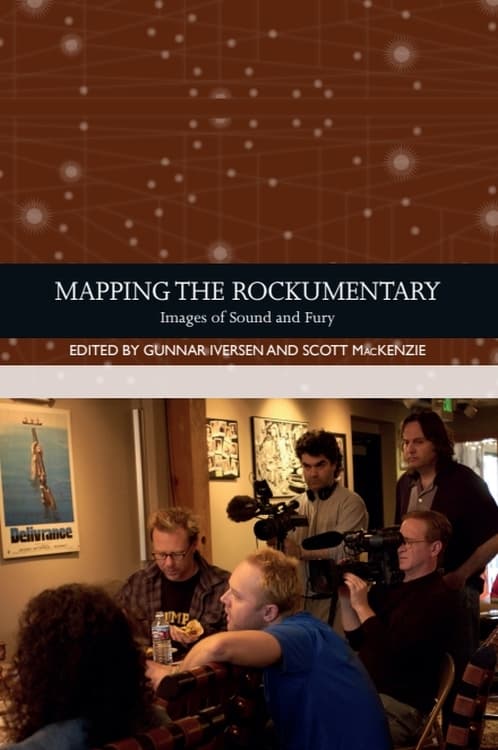
Ebook (EPUB)£27.99
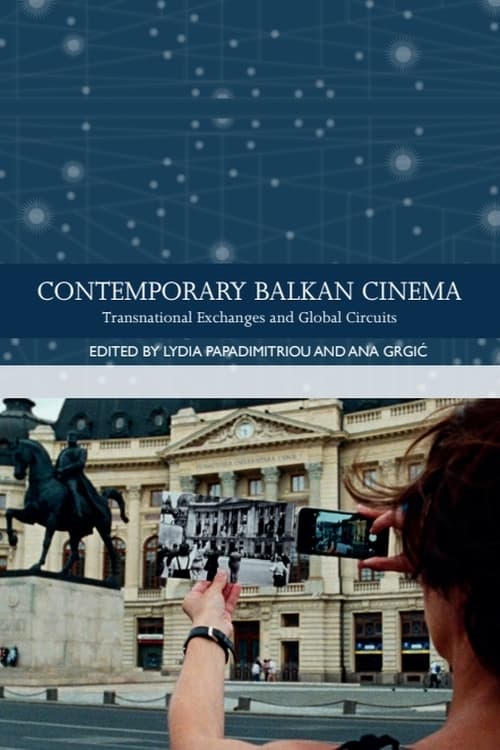
Ebook (EPUB)£22.99
Ebook (EPUB)£22.99
More in Film Studies
View all
Ebook (EPUB)£90.00

Ebook (PDF)£19.99
Ebook (EPUB)£95.00
£24.99