Ebook (EPUB)£90.00
Literary StudiesNineteenth-Century and Neo-Victorian Cultures
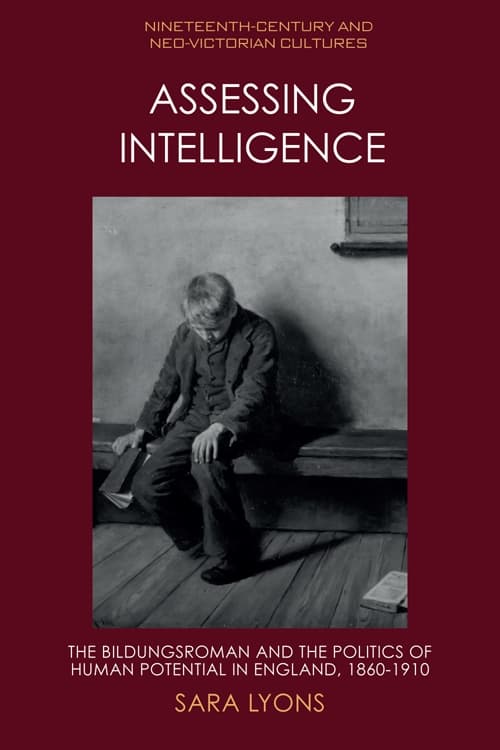
Assessing Intelligence
The Bildungsroman and the Politics of Human Potential in England, 1860–1910

Our ebooks are read in the Academic Reader app. After you buy, we’ll email you how to open your ebook in it.
Description
Examines how novelists engaged with the emergence of the IQ concept of intelligence and the meritocratic ideal
- Traces the Victorian genealogy of the modern concept of IQ
- Situates Victorian and Edwardian bildungsromane in relation to the advent of mass education and the rise of eugenic thinking
- Reveals the centrality of ideas about intellectual ability and disability to five major novelists
- Theorises how the novel form engages with the concept of meritocracy
How did Victorian novelists engage with the new theories of human intelligence that emerged from late nineteenth-century psychology and evolutionary science? Assessing Intelligence traces the genealogy of the modern concept of IQ. It examines how five writers – George Eliot, Thomas Hardy, Henry James, HG Wells and Virginia Woolf – used the bildungsroman, or the novel of education, to wrestle with the moral and political implications of the IQ model of intelligence and the fantasies of meritocracy it provoked. Drawing upon the work of Michel Foucault and Jacques Rancière, Sara Lyons argues that Victorian and Edwardian novelists were by turns complicit in the biopolitics of intelligence and sought radical ways to affirm the equality of minds.
Contents
Introduction
Chapter One: George Eliot’s Moral IntelligenceChapter Two: Thomas Hardy and the Value of BrainsChapter Three: Acting Clever in Henry JamesChapter Four: HG Wells’s Very Ordinary BrainsCoda: Virginia Woolf’s Hereditary Genius
Bibliography
Author
Reviews
In Assessing Intelligence Sara Lyons offers an excellent example of contextual criticism done right. The book is a thoroughly persuasive, nuanced, and meticulously researched exploration of the Victorian novel’s complex relationship with the evolving scientific and popular discourses around the concept of intelligence.
In Assessing Intelligence Sara Lyons offers an excellent example of contextual criticism done right. The book is a thoroughly persuasive, nuanced, and meticulously researched exploration of the Victorian novel’s complex relationship with the evolving scientific and popular discourses around the concept of intelligence.
This is an outstanding work of scholarship. It is very unusual to read an argument so rigorously and thoroughly grounded in the relevant contexts – here, in particular, the history of science – that also demonstrates such sensitive and perceptive close reading. Assessing Intelligence illuminates every literary text it discusses.
Goes well with this book
From the same series or subject.
- Assessing Intelligence, Ebook (EPUB), £25.99
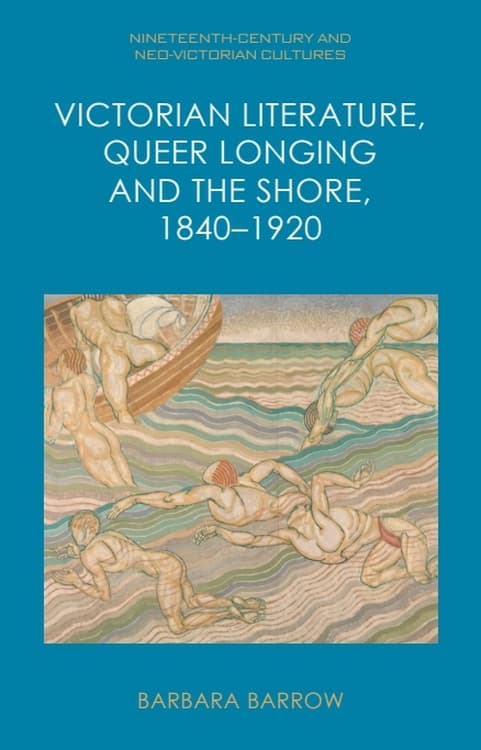
- Victorian Literature, Queer Longing and the Shore, 1840–1920, Ebook (EPUB), £90.00
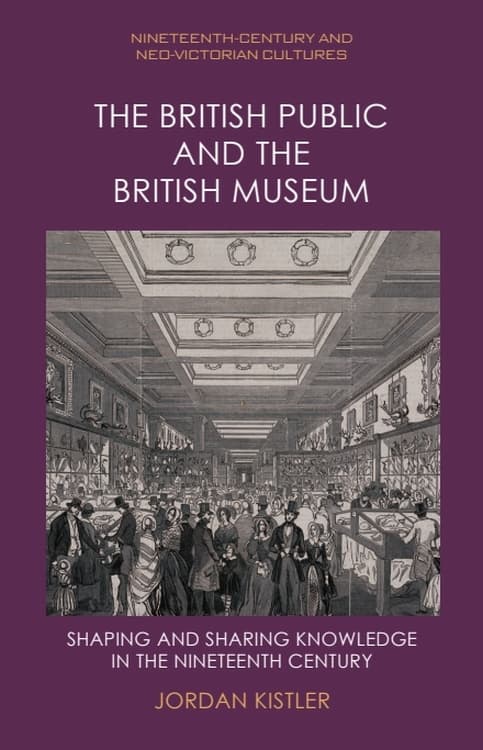
- The British Public and the British Museum, Ebook (EPUB), £95.00
From the same series
More in Nineteenth-Century and Neo-Victorian Cultures
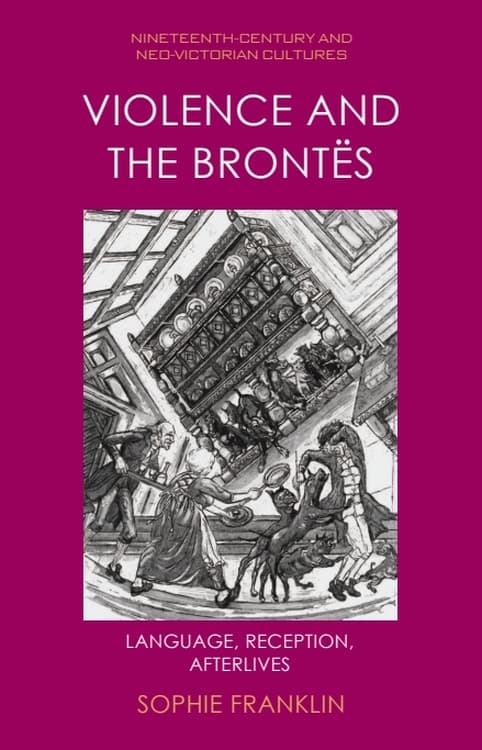
Ebook (EPUB)£95.00
Paperback£24.99
Paperback£24.99
Ebook (EPUB)£19.99
Ebook (EPUB)£19.99
Ebook (EPUB)£19.99
Ebook (EPUB)£24.99
Ebook (EPUB)£24.99
Ebook (EPUB)£24.99
Ebook (EPUB)£24.99
Ebook (EPUB)£19.99
More in Literary Studies
View all
Ebook (EPUB)£125.00
Ebook (EPUB)£110.00
Ebook (EPUB)£90.00
Ebook (EPUB)£90.00
Ebook (EPUB)£90.00