Ebook (EPUB)£175.00
IMESEdinburgh Studies in Islamic Art
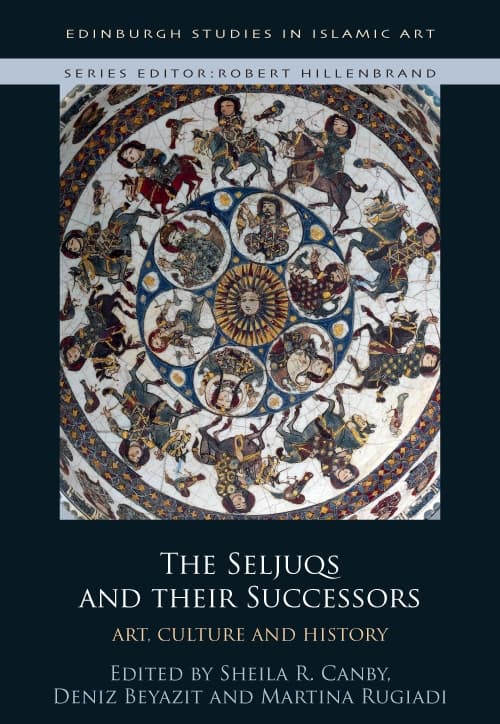
The Seljuqs and their Successors
Art, Culture and History

Our ebooks are read in the Academic Reader app. After you buy, we’ll email you how to open your ebook in it.
Description
Renowned scholars present key new thinking on art, sciences, belief and history in the Seljuq period
- Draws on new and updated use of historical sources
- Opens new paths in the research on magic beliefs, religion, astronomy, the concept of craftsmanship versus artistry, interaction between rulers and elites, ethno-religious and ethno-cultural diversity and emigration of people
- Case studies on the treatment of art objects (the oldest extant Shahnama, and a unique stucco panel) show innovations in conservation practices and set new strategies in dealing with restored objects
- Includes a comprehensive comparison of Seljuq and Ghaznavid titulature: a key tool for any kingship-related research in the fields of history, epigraphy, archaeology and art history
Rising from nomadic origins as Turkish tribesmen, the powerful and culturally prolific Seljuqs and their successor states dominated vast lands extending from Central Asia to the eastern Mediterranean from the eleventh to the fourteenth century.
Supported by colour images, charts, and maps, this volume examines how under Seljuq rule, migrations of people and the exchange and synthesis of diverse traditions – including Turkmen, Perso-Arabo-Islamic, Byzantine, Armenian, Crusader and other Christian cultures – accompanied architectural patronage, advances in science and technology and a great flowering of culture within the realm. It also explores how shifting religious beliefs, ideologies of authority and lifestyle in Seljuq times influenced cultural and artistic production, urban and rural architecture, monumental inscriptions and royal titulature, and practices of religion and magic. It also presents today’s challenges and new approaches to preserving the material heritage of this vastly accomplished and influential civilization.
Contributors- Viola Allegranzi
- Deniz Beyazit
- Patricia Blessing
- Sheila Canby
- Roberta Giunta
- Margaret Graves
- Carole Hillenbrand
- Robert Hillenbrand
- Renata Holod
- Lorenz Korn
- Stefan Masarovic
- Leslee Michelsen
- Andrew Peacock
- Scott Redford
- Martina Rugiadi
- Yasser Tabbaa
- Deborah Tor
- George Saliba
- Rustam Shukurov
- Alessandro Sidoti
- Mario Vitalone
Contents
Part I: Introduction
Chapter 1: Editors' Introduction Sheila Canby, Deniz Beyazit, Martina Rugiadi
Chapter 2: What is special about Seljuq history? Carole Hillenbrand
Chapter 3: Seljuq art: an overview, Robert Hillenbrand
Part II: Rulers and Cities
Chapter 4: Rum Seljuq Caravanserais: Urbs in Rure, Scott Redford
Part III: Faith, Religion and Architecture
Chapter 5: The Religious History of the Great Seljūq Period , Deborah Tor
Chapter 6: Domes in the Seljuq Architecture of Iran, Lorenz Korn
Chapter 7: The Politics of Patronage in Medieval Mosul: Nur al-Din, Badr al-Din, and the Question of the Sunni Revival, Yasser Tabbaa
Part IV: Identities: Rulers and Populace
Chapter 8: Ghaznavid, Qarakhanid and Seljuq monumental inscriptions and the development of royal propaganda: towards an epigraphic corpus, Roberta Giunta & Viola Allegranzi
Chapter 9: Inscribed Identities: Some Monumental Inscriptions in Eastern Anatolia and the Caucasus, Patricia Blessing
Chapter 10: Grasping the Magnitude: Saljuq Rum between Byzantium and Persia, Rustam Shukurov
Part V: Magic and the Cosmos
Chapter 11: A Seljuq occult manuscript and its world: MS Paris persan 174, Andrew Peacock
Chapter 12: Al-Khāzinī’s Astronomy Under the Seljuqs: Inferential Observations (iʽtibār), Calendars and Instruments, George Saliba
Part VI: Objects and Material Culture
Chapter 13: Casting Shadows, Margaret Graves
Chapter 14: What’s in a Name? Signature, Maker’s Mark or Keeping Count: On Craft Practice at Rayy, Renata Holod
Chapter 15: Collaborative Investigations of a Monumental Seljuq Stucco Panel, Leslee Michelsen & Stefan Masarovic
Chapter 16: The Florence Shāhnāma between History and Science, Alessandro Sidoti & Mario Vitalone
Authors
Reviews
A turning point in Islamic history and art history, the Seljuk age is still relatively understudied. In this substantive volume, Canby et al. gather together some of the best scholars in the field to present an integrated collection covering the history, polity, court ethos, architecture, and material culture of the Seljuks. Taken together, these essays enrich our understanding of the Seljuks and contextualize their legacy in relation to its wider Islamic setting and the trajectories of their various successor states.
Goes well with this book
From the same series or subject.
- The Seljuqs and their Successors, Ebook (EPUB), £120.00
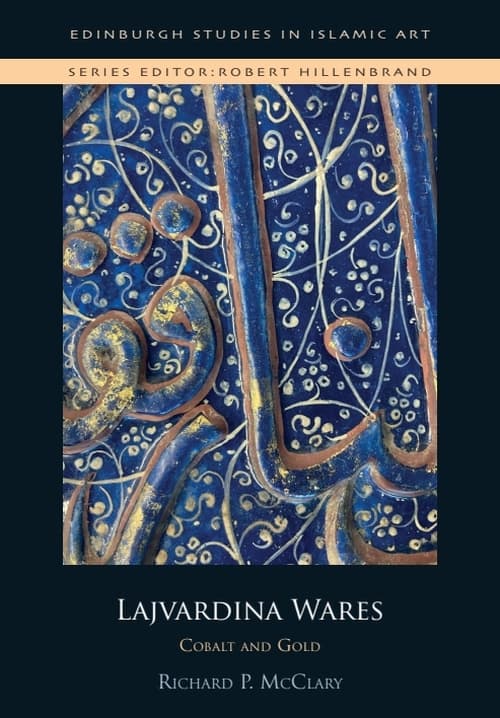
- Lajvardina Wares, Ebook (EPUB), £175.00
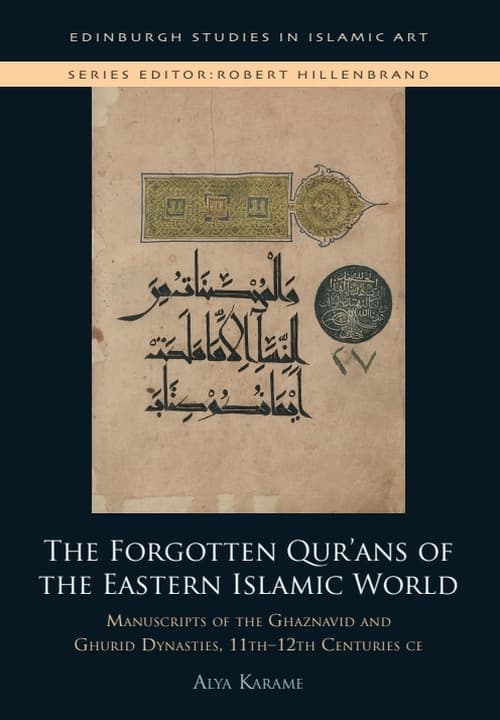
- The Forgotten Qur'ans of the Eastern Islamic World, Ebook (EPUB), £175.00
From the same series
More in Edinburgh Studies in Islamic Art
Ebook (EPUB)£175.00
Ebook (EPUB)£175.00
Ebook (EPUB)£175.00
Ebook (EPUB)£175.00
Ebook (EPUB)£150.00
Ebook (EPUB)£135.00
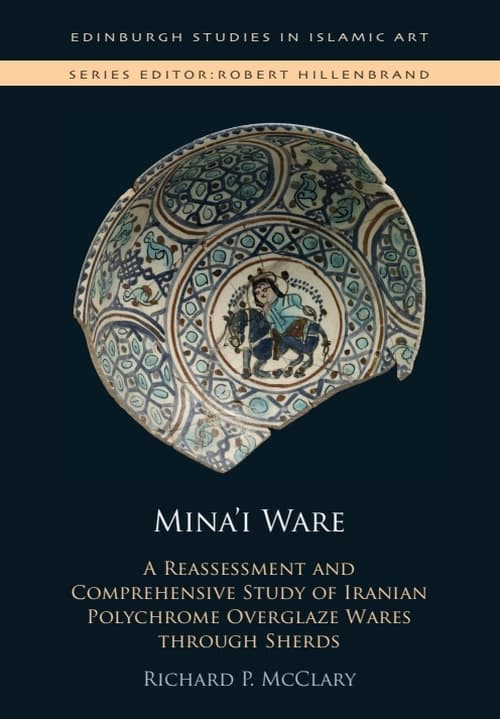
Ebook (EPUB)£130.00
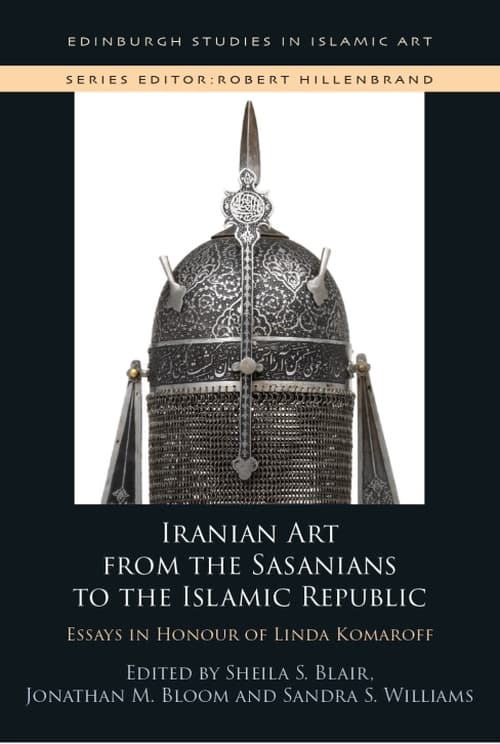
Ebook (EPUB)£130.00
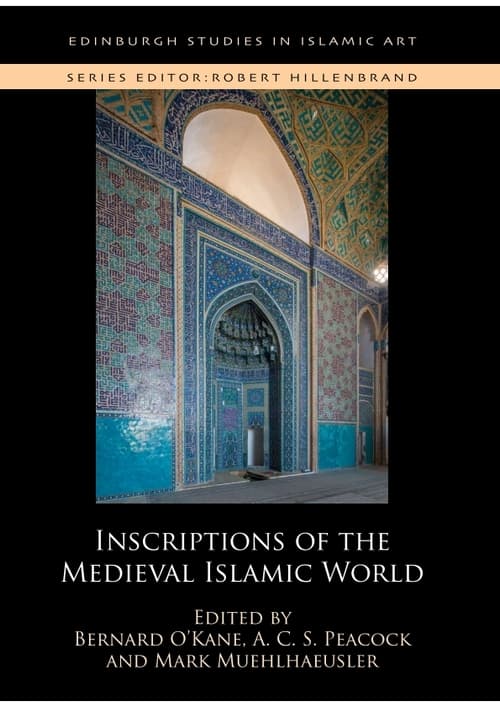
Ebook (EPUB)£135.00
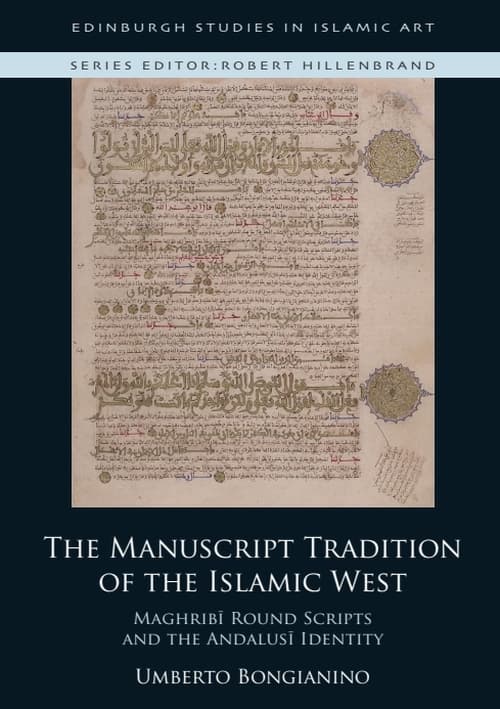
Ebook (EPUB)£125.00
Ebook (EPUB)£110.00
More in IMES
View all
Ebook (EPUB)£85.00
Ebook (EPUB)£90.00
Ebook (EPUB)£14.99
Ebook (EPUB)£100.00
Ebook (EPUB)£95.00