£19.99

IMESEdinburgh Studies in Classical Islamic History and Culture
The Popularisation of Sufism in Ayyubid and Mamluk Egypt, 1173-1325

Our ebooks are read in the Academic Reader app. After you buy, we’ll email you how to open your ebook in it.
Description
A social, political and religious history of Sufism in Medieval Egypt
After the fall of the Fatimid Empire in 1171 and the emergence of a new Sunni polity under the Ayyubids, Sufism came to extraordinary prominence in Egypt. The state founded and funded hospices to attract foreign Sufis to Egypt; local charismatic Sufi masters appeared throughout Upper and Lower Egypt; organised Sufi brotherhoods emerged in the urban centres of Cairo and Alexandria; and even Jews took up the doctrines and practices of the Sufis. By the middle of the Mamluk period in the 14th century, Sufism had become massively popular. How and why did this popularisation happen? This book is the first to address this issue directly, surveying the social formation and histories of several different Sufi collectivities from this period. Arguing that the popularisation of Sufism during this time was the direct result of deliberate and variegated Sufi programs of outreach, strategies of legitimation and performances of authority across Egypt, these programs, strategies and performances are situated within the social and political contexts of the institutionalisation of Sufism, audience participation, and Ayyubid and Mamluk state policies.
Key Features- Offers a wide-ranging description of the variegated social landscape of Sufism in Ayyubid and early Mamluk Egypt
- Presents a new theoretical model to describe the institutionalisation and popularisation of Sufism
- Case studies of three different groups of Sufis in medieval Egypt track this institutionalisation and popularisation
- A heuristic framework connects Sufism to larger social and political trends in medieval Egypt
Contents
Acknowledgements; Introduction; Part 1: State-Sponsored Sufism; 1. The Khānqāh; 2. The Sufis of the Khānqāh; 3. What is Popular about the Khānqāh?; Part 2: State-Sanctioned Sufism; 4. The Emergence of the Shādhilīya in Egypt; 5. Al-Iskandarī’s Image of the Shādhilī ṭarīqa; 6. The Popularization of Shādhilī Sufism; Part 3: Unruly Sufism; 7. The Regional Context of Upper-Egyptian Sufism; 8. Sufi Activists and Enforcers; 9. Wonder Working Sufis; Concluding Remarks; Works Cited.
Author
Reviews
In this ground-breaking comprehensive study of Sufis in Egypt during the 12th–14th centuries, Hofer offers the first serious explanation of the popularization of Sufism in the later middle period of Islamic history. This bold and innovative book, rich in both substance and theory, makes major advances in our understanding of medieval Sufism and deserves to be read widely by specialists and general readers alike.
A very valuable addition to the history of Sufism during a critical juncture in its history. It is exceptionally clear, while also maintaining a thorough engagement with theoretical literature. The mapping of the different Sufi paths is particularly constructive.
With its eloquent argumentation and wealth of supporting detail, Nathan Hofer’s highly readable monograph marks a major contribution to our understanding of one of the medieval Islamic world’s most intriguing social phenomena. As such, it deserves the attention of specialists and general readers alike.
An excellent study of Sufism in medieval Egypt, especially its social and political contexts.
Goes well with this book
From the same series or subject.
- The Popularisation of Sufism in Ayyubid and Mamluk Egypt, 1173-1325, Ebook (EPUB), £100.00
- Cultural Brokerage in Premodern Islamic Societies, Ebook (EPUB), £125.00

- Preaching Pious Rulership in Medieval Islam, Ebook (EPUB), £95.00
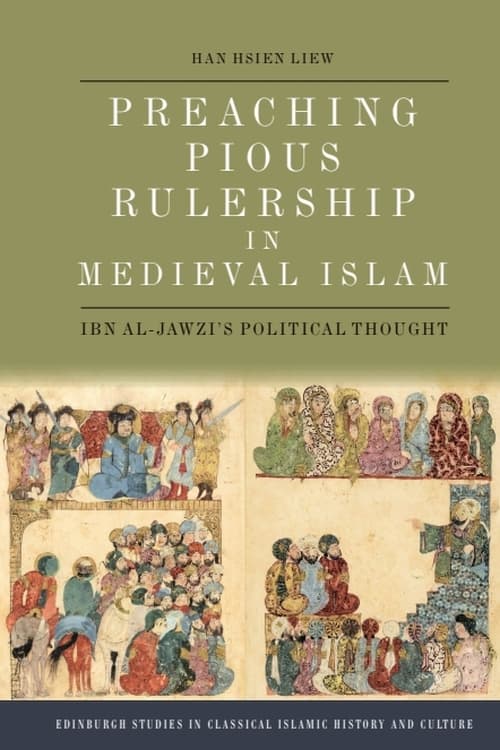
From the same series
More in Edinburgh Studies in Classical Islamic History and Culture
Ebook (EPUB)£125.00
Ebook (EPUB)£95.00
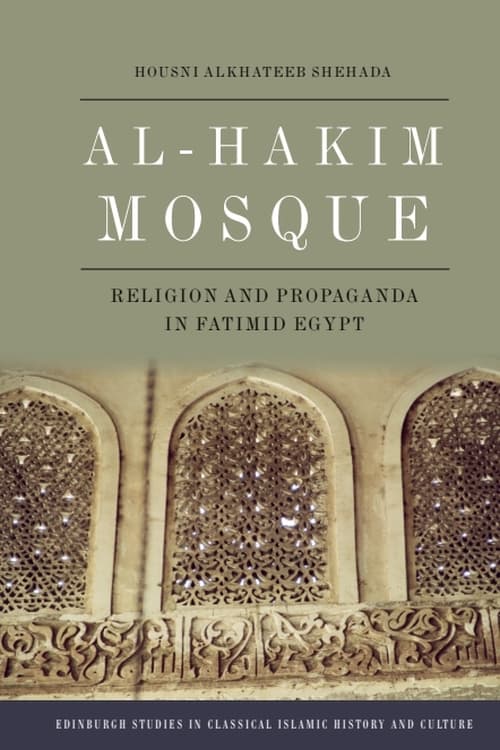
Paperback£34.99

Ebook (EPUB)£24.99
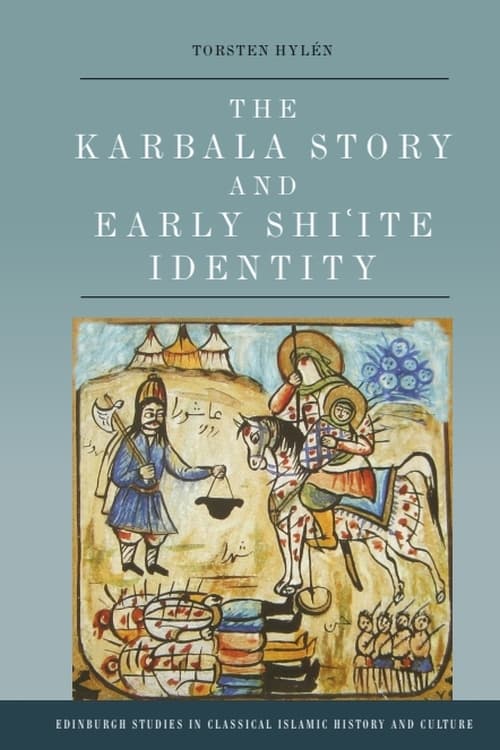
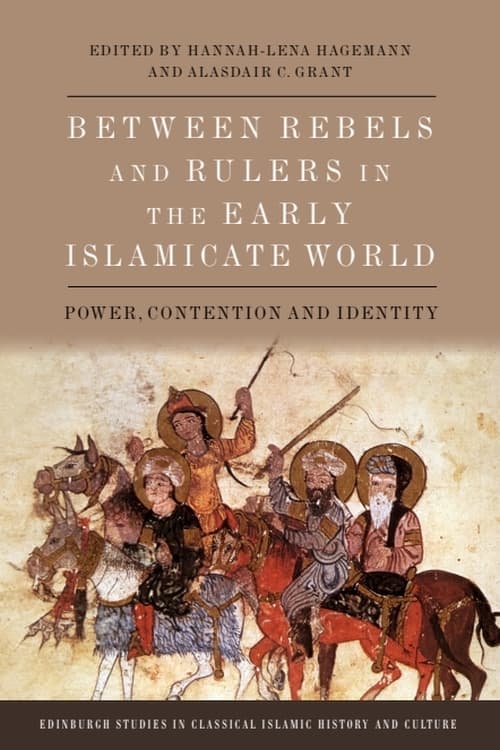

Ebook (EPUB)£24.99
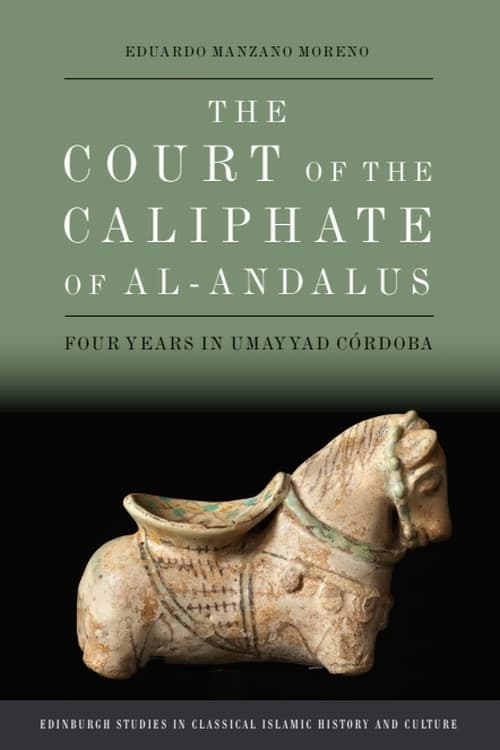
Ebook (EPUB)£29.99


Ebook (EPUB)£20.99
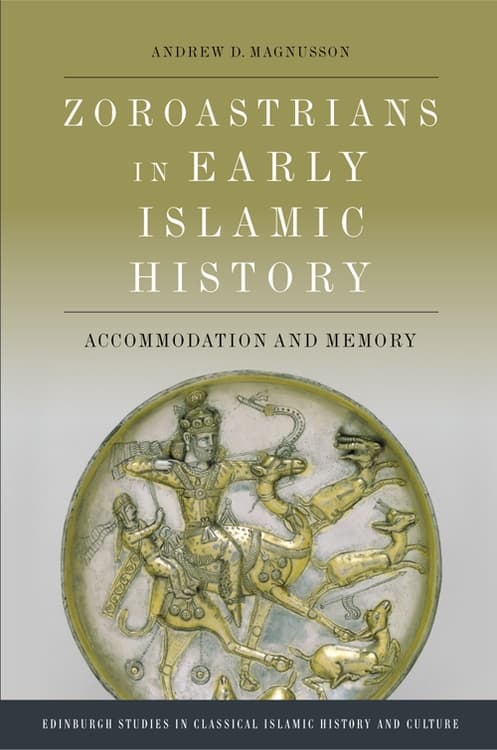
Ebook (EPUB)£20.99
More in IMES
View all
Ebook (EPUB)£85.00

Ebook (EPUB)£90.00

Ebook (EPUB)£14.99

Ebook (EPUB)£100.00

Ebook (EPUB)£95.00