£19.99
IMESEdinburgh Studies in Classical Islamic History and Culture
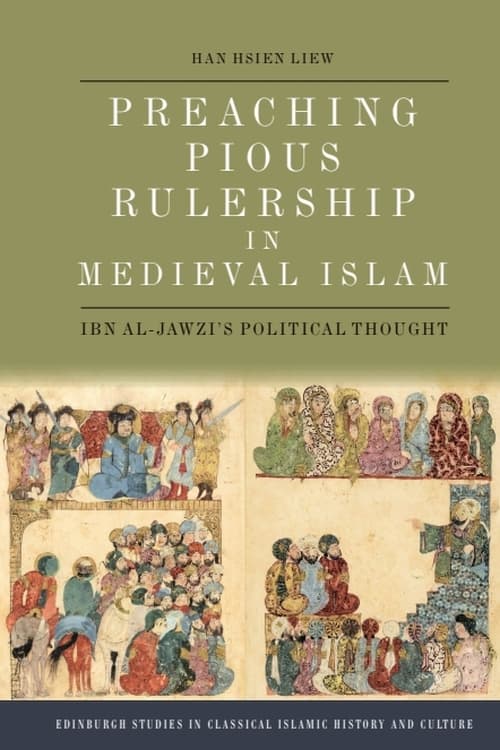
Preaching Pious Rulership in Medieval Islam
Ibn al-Jawzi's Political Thought

Our ebooks are read in the Academic Reader app. After you buy, we’ll email you how to open your ebook in it.
Description
Studies the role of preaching and emotions in medieval Islamic political thought
- Explores the connection between hortatory preaching and political thinking
- Challenges scholarship that frames the history of Islamic political thought as a gradual evolution towards the principle of ‘might is right’
- Analyses Ibn al-Jawzi’s political works in relation to his preaching manuals, sermon collections, polemics and biographies of caliphs
- Uncovers the emotional vocabulary and norms of Arabic hortatory sermons
- Provides an accessible survey of political concepts found in medieval Muslim advice literature and legal and theological treatises
This book studies the relationship between political thought, preaching and emotions through the writings of Ibn al-Jawzi (d. 1201), a celebrated hortatory preacher in late Abbasid Baghdad. Through an intertextual analysis of Ibn al-Jawzi’s works in various genres, this book details how his ideal form of rulership reflected the emotional norms and pietistic moral virtues promoted in Muslim hortatory sermons. It also examines the emotional strategies deployed in his efforts to reform the rulers of his time. In highlighting the importance of piety in Ibn al-Jawzi’s political discourses, the book points to a new reading of the history of Islamic political thought that, rather than foregrounding order and military prowess, considers competing political languages among medieval Muslim intellectuals. In doing so, it calls for the need to rethink notions of ‘politics’ and the ‘political’ when studying Islam.
Contents
Acknowledgements
Conventions
Introduction: Piety and Emotions in Medieval Islamic Political Thought
Part I. Historical and Intellectual Background
1. Politics and Society in Late Abbasid Baghdad
2. The Life and Career of Ibn al-Jawzi
3. Intellectual Trends in Late Abbasid Political Thought
Part II. Conceptualising Ideal Islamic Rulership
4. Homiletic Piety: Moral Virtues and Emotional Norms
5. Embodying Homiletic Piety: Ibn al-Jawzi’s Biographies of Caliphs
Part III. An Ameliorative Approach to Politics
6. Legitimising Politics: Ibn al-Jawzi’s Reassessment of Ruler-Scholar Relations
7. ‘I Put My Fear for You before My Fear of You’: Talattuf (Tact) as a Mode of Political
Engagement
8. The Cursing of Yazid ibn Muʿawiya: Debating Rebellion against Sinful and Unjust Rulers
Conclusion: Redefining the Political
Bibliography
Index
Author
Reviews
Han Hsien Liew’s work stakes out new ground for the study of politics in Islam. Tabling the modernist focus on power for the intricate role of preaching—emotionally rich and morally challenging—in setting norms of rulership in Islam, it is a clarion call to take pietistic ideals seriously amidst Islam’s hierarchies.
This book is an articulate rehabilitation of the Hanbali scholar and preacher Ibn al-Jawzi, undertaken through a careful examination of his political discourse and program of reform that was a response to the circumstances of the age. An essential read, the book is an eloquent attestation to the performative ethical and political power of hortatory disquisition, a perspective rarely attended to in the field.
Han Hsien Liew’s study is an engaging exploration of a major premodern religious scholar’s grappling with political and social contingency. This book stands as a finely crafted reminder of the enduring political significance of religious preaching—both in the past and in our present moment.
A superb study of Ibn al-Jawzi, thoroughly, meticulously and insightfully conveying the integration in his writings and preaching of discourses of ethical politics on the one hand and personal piety and merit on the other. Han Hsien Liew shows how preaching brought debates over political legitimacy into the public sphere, and how the offering of political advice moved well beyond court circles into urban space.
Han Hsien Liew’s insightful exploration of Ibn al-Jawzi’s attempts to ameliorate the tension between Realpolitik and the Islamic ideal of pious leadership in the 12th century is a major contribution to Islamic political thought. The study has important implications for the contemporary Islamic world as well in which debates about the nature of political leadership are newly resurgent.
Han Hsien Liew’s book is the latest and fullest on Ibn al-Jawzi. He brings together a wide range of scholarship on Iraqi politics in the later 12th century, political thought from many centuries, and preaching. He also brings to bear recent theoretical advances from our much more numerous colleagues in European history, especially as to the history of emotions. Everyone will enjoy it who is interested in the range of premodern Islamic political thought.
Goes well with this book
From the same series or subject.
- Preaching Pious Rulership in Medieval Islam, Ebook (EPUB), £95.00
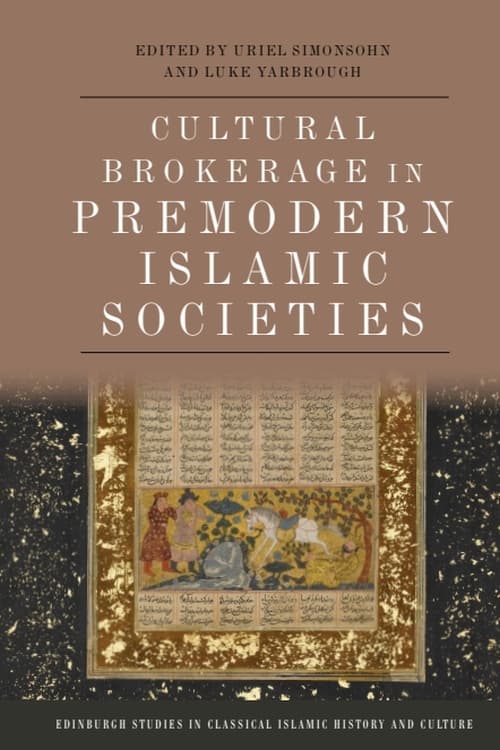
- Cultural Brokerage in Premodern Islamic Societies, Ebook (EPUB), £125.00
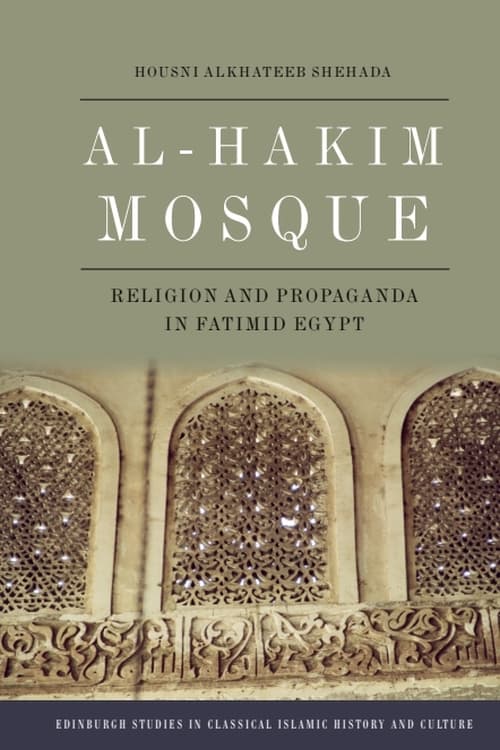
- Al-Hakim Mosque, Paperback, £34.99
From the same series
More in Edinburgh Studies in Classical Islamic History and Culture
Ebook (EPUB)£125.00
Paperback£34.99
Ebook (EPUB)£24.99
Ebook (EPUB)£24.99
Ebook (EPUB)£29.99
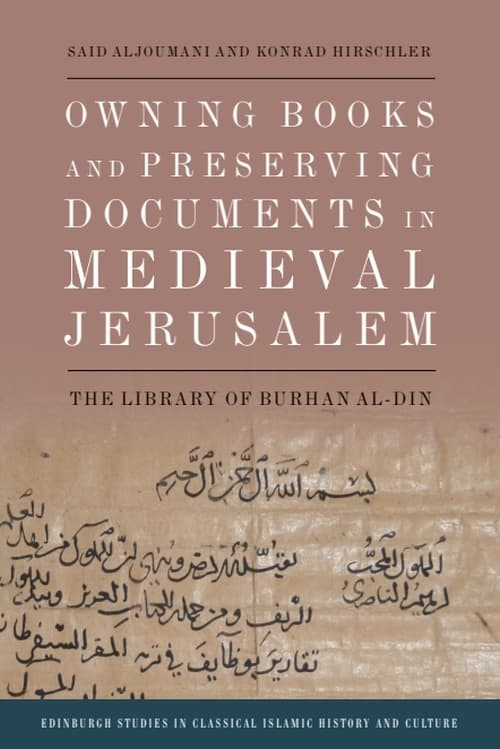
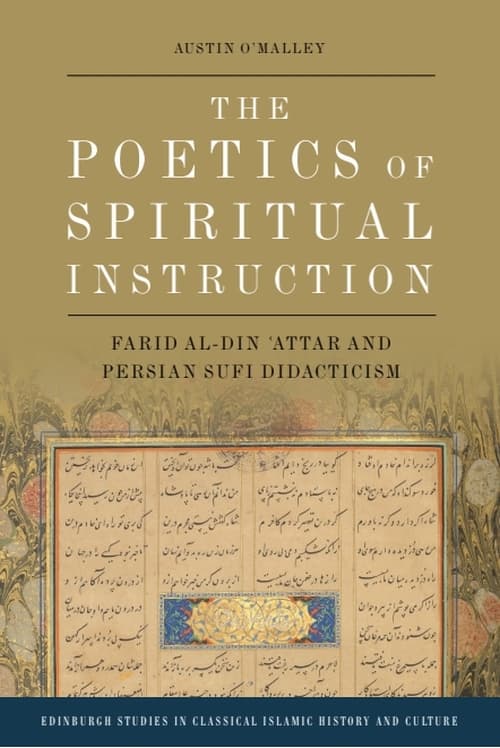
Ebook (EPUB)£20.99
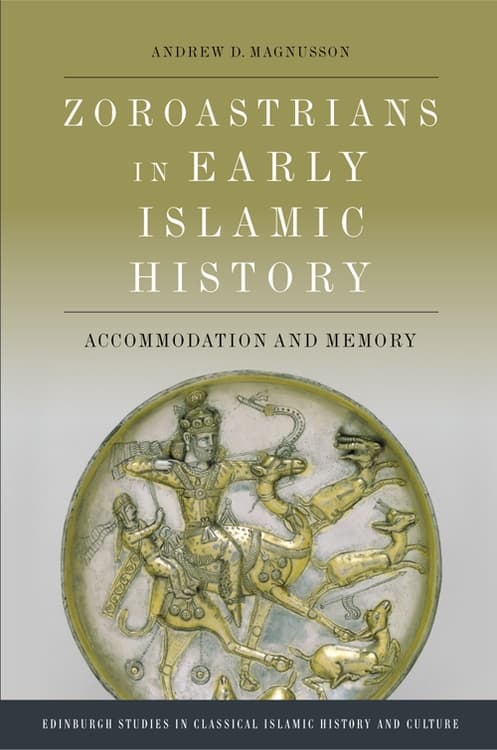
Ebook (EPUB)£20.99
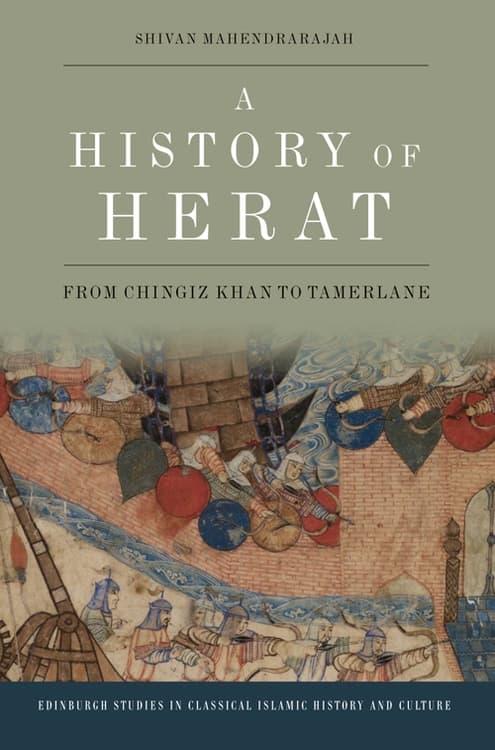
Ebook (EPUB)£25.99
More in IMES
View all
Ebook (EPUB)£85.00
Ebook (EPUB)£90.00
Ebook (EPUB)£14.99
Ebook (EPUB)£100.00
Ebook (EPUB)£95.00