£19.99
IMESEdinburgh Studies in Classical Islamic History and Culture
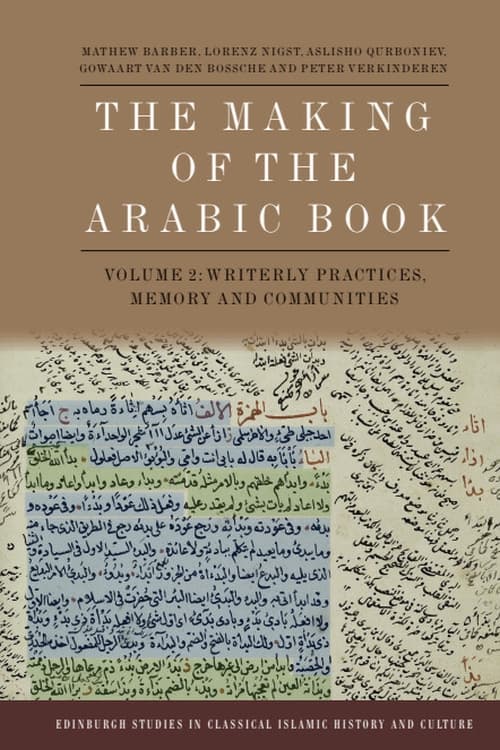
The Making of the Arabic Book, Volume 2
Writerly Practices, Memory and Communities
Pre-orderOpen access
1
Description
This book is one of two volumes presenting the results of the KITAB (Knowledge, Information Technology, and the Arabic Book) project and their application of text reuse detection to a digital corpus of thousands of Arabic texts spanning eight centuries. The authors begin by examining the function of text reuse in ensuring the survival of books, highlighting the perspectives of individual authors as well as the effect of regional chronological conditions on memories of the past. The second half then goes on to show how memorialisation and recycling of communal texts (such as annals, legal compendia and biographical collections) served to create a shared idea of the past and to sustain a social group’s memories and identity.
Using the KITAB project's expansive digital corpus, this book analyses case studies that span North Africa and the Middle East and the Indian Ocean: from the Ismaʿili communities of India, Yemen and northwestern Syria, to Egyptian courts, to Mālikī scholars in North Africa. Altogether, this volume aims to demonstrate the huge potential for digital study of written traditions alongside traditional methods of close reading and manuscript studies, and provide templates for similar studies within Arabic literature and beyond.
Contents
List of Figures
Introduction
- Corpus Memory, Oblivion
- So Much Work: Text Reuse 'from Within'
- The Preacher, the Polemicist and the Pessimist
- Manuscripts and Memory on the Margins of a Medieval Sultanate: Two Eighth/Fourteenth-Century Annals from Ayyubid Syria and Ismaili Mayf
- A Community of Jurists
- Communities of Brethren: Historicising the Reception and Elaboration of the Rasil ikhwn al-af, Rislat al-Jmia and Rislat Jmiat al-Jmia Among Ismaili Communities
Glossary
Bibliography
Index
Authors
Reviews
The Making of the Arabic Book: Writerly Practices, Memory and Communities is a fascinating exploration of how texts were created, rewritten, and reused as sites of memory. It is a wonderful book showing how digital approaches are opening new horizons for Humanities research.
To preserve a text was also to shape what later generations could remember. Combining computational analysis with close reading and manuscript evidence, the authors recover the labour behind books and show how that labour sustained communities. A compelling demonstration of how digital scholarship can deepen our understanding of the Arabic written tradition.
Goes well with this book
From the same series or subject.
- The Making of the Arabic Book, Volume 2, Hardback, £100.00
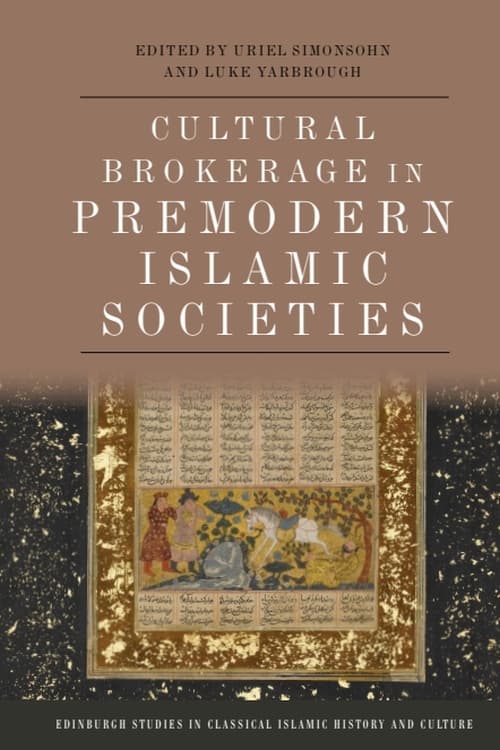
- Cultural Brokerage in Premodern Islamic Societies, Ebook (EPUB), £125.00
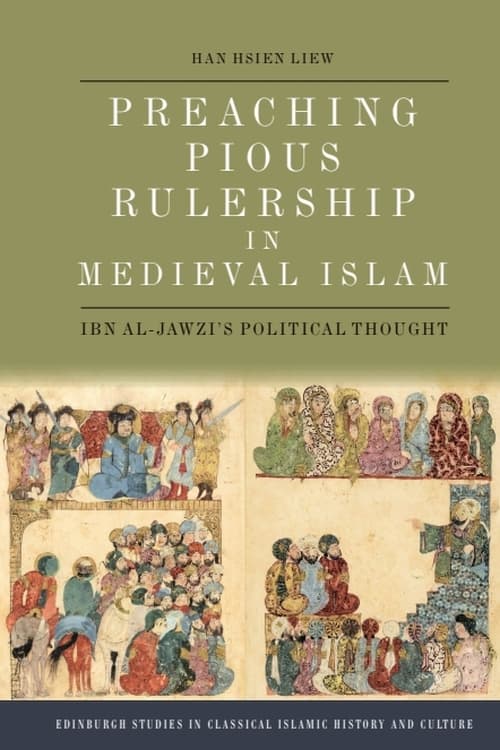
- Preaching Pious Rulership in Medieval Islam, Ebook (EPUB), £95.00
From the same series
More in Edinburgh Studies in Classical Islamic History and Culture
Ebook (EPUB)£125.00
Ebook (EPUB)£95.00
Paperback£34.99
Ebook (EPUB)£24.99
Ebook (EPUB)£24.99
Ebook (EPUB)£29.99
Ebook (EPUB)£20.99
Ebook (EPUB)£20.99
More in IMES
View all
Ebook (EPUB)£85.00
Ebook (EPUB)£90.00
Ebook (EPUB)£14.99
Ebook (EPUB)£100.00
Ebook (EPUB)£95.00