Ebook (EPUB)£27.99
Literary StudiesEdinburgh Critical Studies in Atlantic Literatures and Cultures
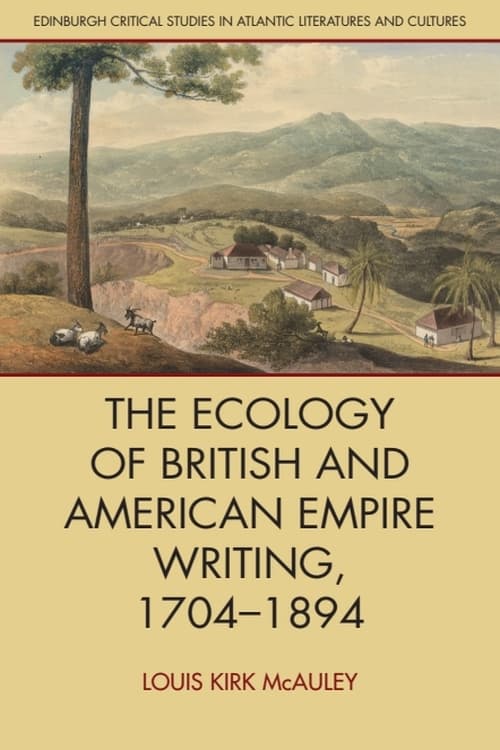
The Ecology of British and American Empire Writing, 1704–1894

Our ebooks are read in the Academic Reader app. After you buy, we’ll email you how to open your ebook in it.
Description
Advances our understanding of the literary legacy of contemporary ecological crises to investigate the interfaces of humanity and nature
- Offers original biotic readings of this literature to showcase the often strange and surprising ways in which humans are intimately connected to animals, plants, and minerals
- Drawing upon historical and contemporary developments in the biological sciences, The Ecology of British and American Empire Writing gives Robert Louis Stevenson’s peculiar fascination with Mimosa pudica (sensitive plant) the long overdue critical attention that it deserves, and, in doing so, does for plants what the field of animal studies has done for other non-human creatures of empire: cattle, sheep, rats, etc
- Innovatively develops a series of transoceanic connections to showcase not only the ways in which colonialist texts anticipate contemporary crises of ecological mismanagement, but also how a world-ecological approach to literary study necessarily invites readers to think beyond various geopolitical and chronological boundaries
- Explores troubling eco-feminist connections between the brutality of global capitalism, gender, and evolutionary biology vis-à-vis women’s struggle for survival in the Caribbean plantation economy
- Draws extensively upon archival materials, including The Jamaica Magazine, unpublished manuscripts, such as the Caribbean travel diaries of Henrietta Marchant Liston and the journals of John Ker (a surgeon’s mate in the Royal Navy), and the photo albums of Stevenson’s cousin, Sir Graham Balfour
- Highlights the significance of place-based research, including how specific natures in particular locations impact literary production (and vice versa)
At this critical juncture in which the biodiversity of planet Earth appears to be shrinking fast and furiously, Louis Kirk McAuley invites us to consider the ways in which particular unruly natures, including animals, plants and minerals, actively intervene in literature to decentre the human. Drawing upon invasion biology, McAuley offers transformative ecocritical interpretations of eighteenth- and nineteenth-century British and American literature and highlights the heterarchical nature of empire building. This includes analyses of texts composed by (or about) persons residing at, or just outside, the edges of the British and American Empires, including St Kitts and Nevis, Haiti, Cuba, Hawaii and Samoa, which were built around the global transfer of animals and plants. Offering biotic readings of this literature, McAuley highlights the human place in nature and provides practical literary examples of the ways oceans facilitate the confusion of time and place.
Contents
List of Figures
Series Editors’ Prefac
Acknowledgments
Introduction: Unruly Natures
1. The Evolution of Robinson Crusoe’s World-Ecological Consciousness
2. The Poetics of Biological Invasion and Crop Monoculture in Early Caribbean Literature
3. Capitalism, Domestic Violence, and the "Botany of Desire" in Leonora Sansay’s Secret History; Or, the Horrors of St. Domingo
4. Robert Louis Stevenson and the "Horror of Creeping Things"
Afterword
Bibliography
Index
Author
Reviews
A remarkable book. This fantastically eloquent and erudite study of empire writing offers an unrivalled account of the cultural registration of 'unruly natures' and their simultaneous contribution to, and troubling of, the imperial expansion of Britain and the US. McAuley’s work represents a signal intervention into the Environmental Humanities.
Goes well with this book
From the same series or subject.
- The Ecology of British and American Empire Writing, 1704–1894, Ebook (EPUB), £24.99
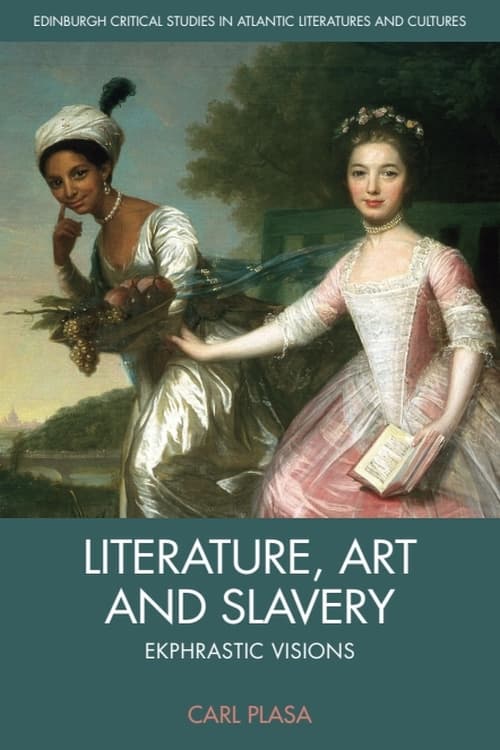
- Literature, Art and Slavery, Ebook (EPUB), £27.99
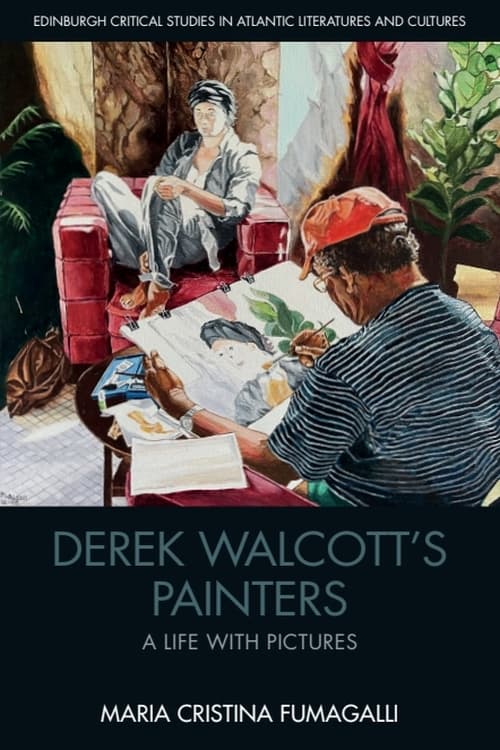
- Derek Walcott’s Painters, Ebook (EPUB), £34.99
From the same series
More in Edinburgh Critical Studies in Atlantic Literatures and Cultures
Ebook (EPUB)£34.99
Ebook (EPUB)£24.99
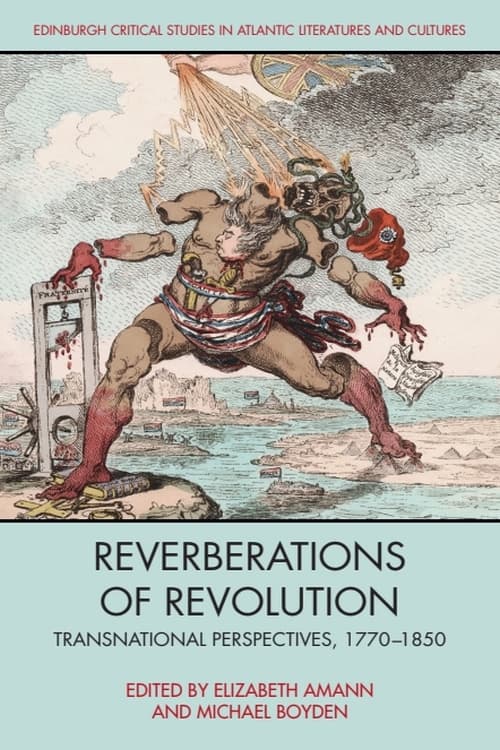
Ebook (EPUB)£22.99
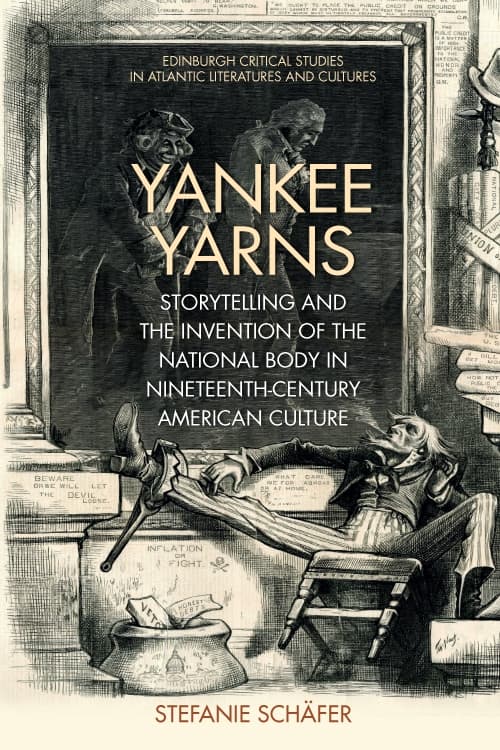
Ebook (EPUB)£27.99
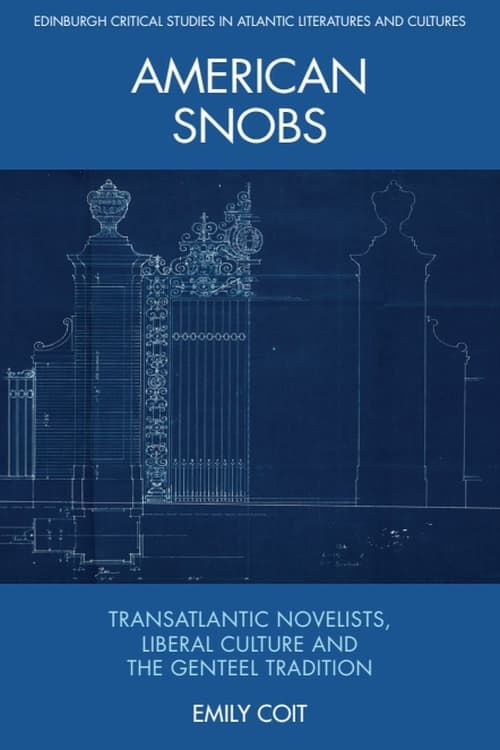
Ebook (EPUB)£27.99
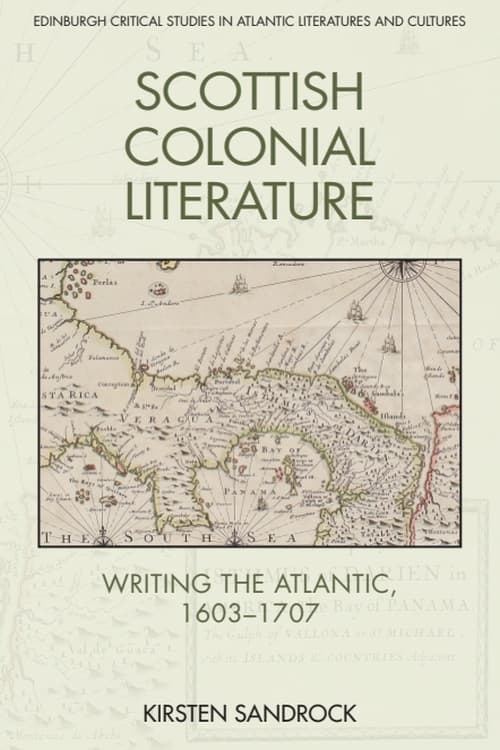
Ebook (EPUB)£22.99
Ebook (EPUB)£31.00
Free to read
Read Sensational InternationalismMore in Literary Studies
View all
Ebook (EPUB)£125.00
Ebook (EPUB)£110.00
Ebook (EPUB)£90.00
Ebook (EPUB)£90.00
Ebook (EPUB)£90.00