Ebook (EPUB)£24.99
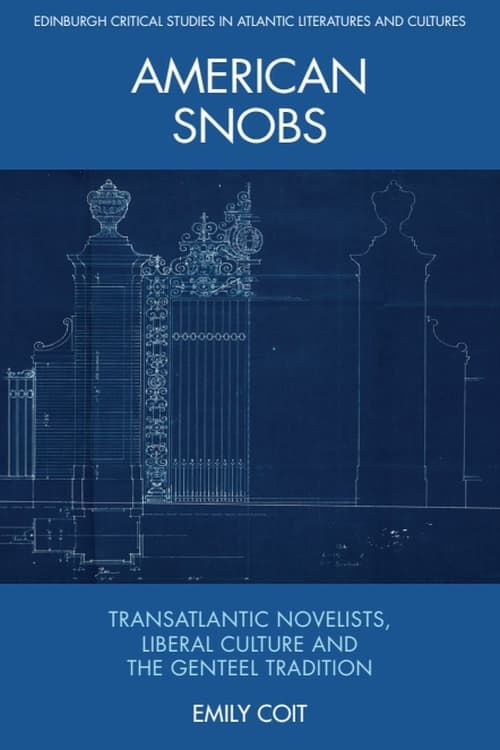
Literary StudiesEdinburgh Critical Studies in Atlantic Literatures and Cultures
American Snobs
Transatlantic Novelists, Liberal Culture and the Genteel Tradition

Our ebooks are read in the Academic Reader app. After you buy, we’ll email you how to open your ebook in it.
Description
Reassesses American elitisms of the late nineteenth and early twentieth century
- Brings together the insights of recent Victorianist and Americanist scholarship in order to show how Adams, James, and Wharton engage with liberal thinking about whiteness, democracy, and citizenship.
- Locates these authors in disciplinary history, revealing that their critical responses to Bostonian liberalism feed into the ideas that structure the study of US literary history during the twentieth century.
- Offers a rich portrait of the Harvard intellectual milieu to which these authors respond, bringing fresh attention to their connections with thinkers such as W.E.B. Du Bois, Charles William Eliot, Charles Eliot Norton, and Barrett Wendell.
Arguing that Henry Adams, Henry James and Edith Wharton articulated their political thought in response to the liberalism that reigned in Boston and, more specifically, at Harvard University, this book shows how each of these authors interrogated that liberalism's arguments for education, democracy and the political duties of the cultivated elite. Coit shows that the works of these authors contributed to a realist critique of a liberal New England idealism that fed into the narrative about 'the genteel tradition', which shaped the study of US literature during the twentieth century.
Contents
Acknowledgements
Introduction
Part I. Cultivation After Reconstruction: Impossible Educations
1. Slavery, Subjection, and Culture in Adams's Democracy and Esther
2. The Education of the People in James's The Bostonians and The Princess Casamassima
3. The Professor and the Mob in Wharton's The Valley of Decision
Part II. The Remnant at Harvard: Whiteness, Higher Education, and Democracy
4. Universal White: Discrimination and Selection in James's American Scene
5. The Tenth Mind: Adams and the Action of the Remnant
6. Pure English: Wharton and the Elect
Conclusion: The Reign of the Genteel
Notes
Bibliography
Index
Author
Reviews
Coit’s book traces stories, collapses oppositions, catalogs shifting meanings of words, differentiates, contrasts, disambiguates. It thrives on conversation about broad theoretical questions, it dives into archival work through which it uncovers natural connections that have gone largely unnoticed. At the same time, its argumentation remains remarkably linear and articulate, even when most elaborate. In other words, it presents an academic practice that is not only theoretically sophisticated, widely read and informed, but also clearly articulated... [A] New Americanist enterprise at its best.
Erudite, eloquent, and occasionally witty, Coit’s reading of these figures against a broad intellectual history of liberalism and its manifestations in and around Harvard University is gripping if also disturbing.
This first monograph by Emily Coit applies thorough critical scholarship and deep knowledge of late nineteenth and early twentieth-century intellectual history to fashion a convincing argument about the attitudes toward American liberal democracy held by Henry Adams, Henry James, and Edith Wharton. [...] For literary critics and historians, the material that traces how interpretations of the genteel tradition were developed and manipulated in the twentieth century is both original and persuasive. Wharton scholars will have much to absorb from the monograph's varied contextual and comparative elements.
This book breathes new life into the study of a set of ideas and authors, all of which are rich in their own right and illuminating for what they tell us about the period. Coit’s easy, writerly hand, her skilled close readings and her fluid movement between political context, literary history and detailed analysis are impressive.
Emily Coit’s timely and ambitious American Snobs, profoundly informed by the politically charged concerns and insights of our embattled present as well as by exhaustive, fascinating scholarship, is a serious, unignorably challenging contribution to the American history of ‘whiteness’, discerning a radical (abolitionist, feminist, anti-racist) edge to liberal figures in the ‘genteel tradition’ ironically treated by James, Adams and Wharton and too often unreflectively disparaged since. Through her careful excavation of historical nuances and untangling of alignments and oppositions, recovering the various significances at the time of public intellectuals like Charles Eliot Norton, Barrett Wendell and Edwin L. Godkin, this provocative reframing poses serious questions to those who wish to recruit her triumvirate of major authors in any straightforward way for the causes of twenty-first-century democratic progress and casts new light on their still-influential achievements.
American Snobs is a helpful guidebook to a specific time and place, acquainting the reader with the push and pull between aristocracy and democracy within a group that sees itself as an intellectual aristocracy... I recommend American Snobs to anyone with an interest in late nineteenth-century literature or in the current debates rocking academia.
Goes well with this book
From the same series or subject.
- American Snobs, Ebook (EPUB), £27.99
- The Ecology of British and American Empire Writing, 1704–1894, Ebook (EPUB), £24.99
- Literature, Art and Slavery, Ebook (EPUB), £27.99
From the same series
More in Edinburgh Critical Studies in Atlantic Literatures and Cultures
Ebook (EPUB)£27.99

Ebook (EPUB)£34.99
Ebook (EPUB)£24.99
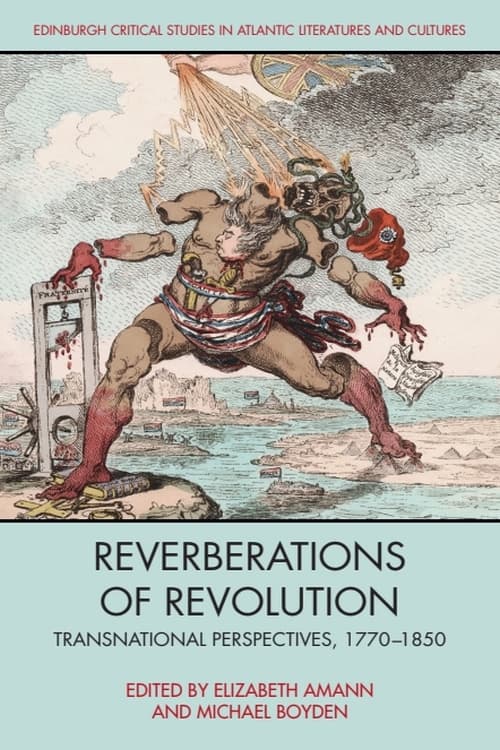
Ebook (EPUB)£22.99
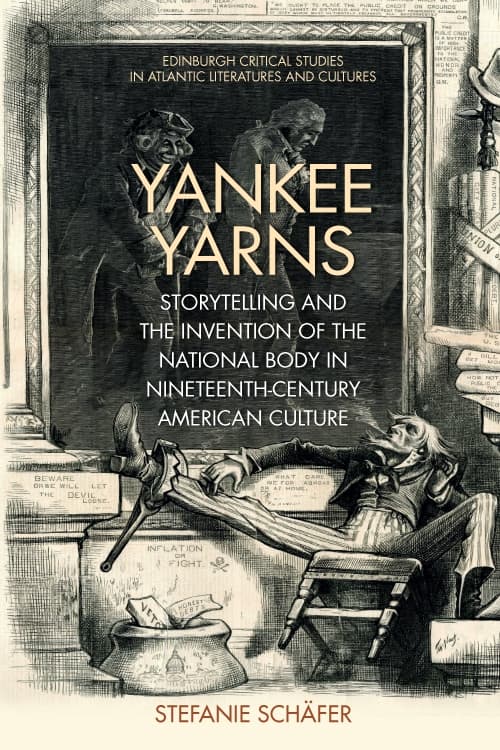
Ebook (EPUB)£27.99
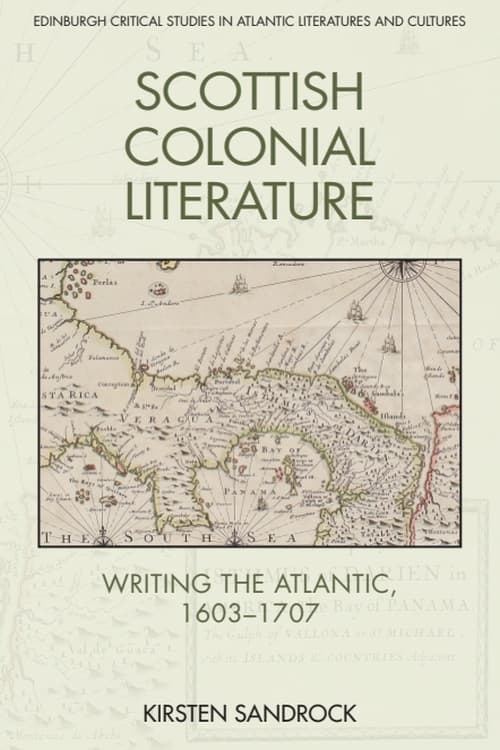
Ebook (EPUB)£22.99
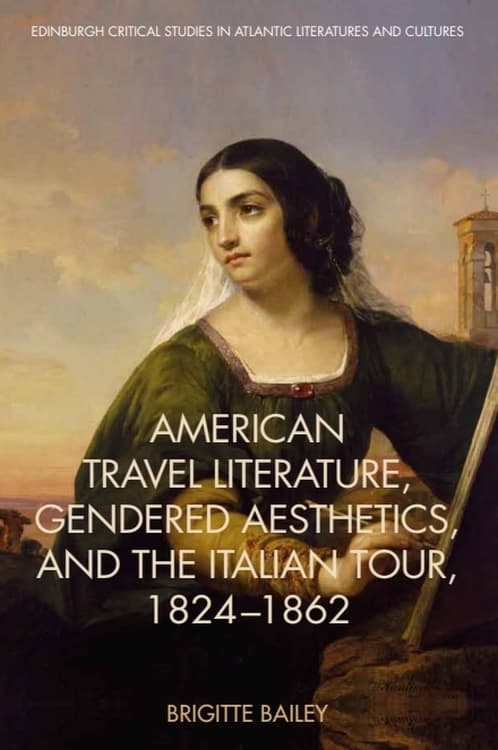
Ebook (EPUB)£31.00
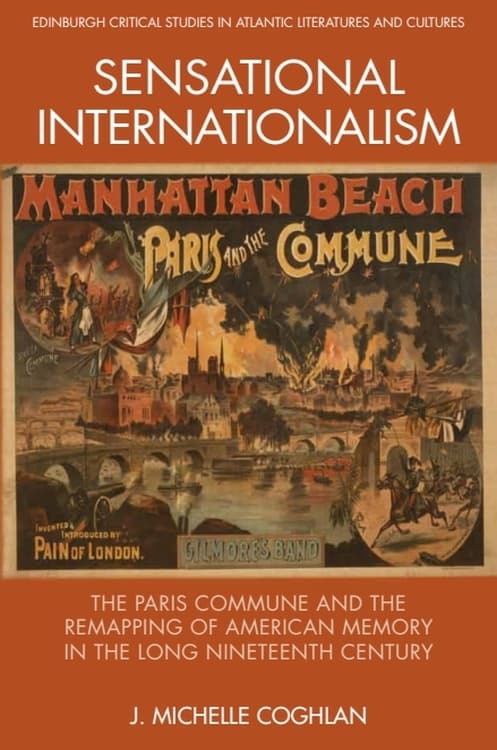
Free to read
Read Sensational InternationalismMore in Literary Studies
View all
Ebook (EPUB)£125.00
Ebook (EPUB)£110.00
Ebook (EPUB)£90.00
Ebook (EPUB)£90.00
Ebook (EPUB)£90.00