£19.99
IMESEdinburgh Studies in Classical Islamic History and Culture
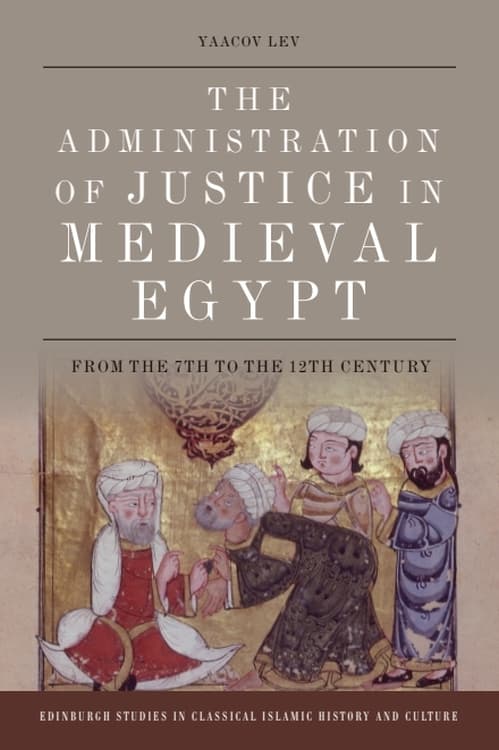
The Administration of Justice in Medieval Egypt
From the 7th to the 12th Century

Our ebooks are read in the Academic Reader app. After you buy, we’ll email you how to open your ebook in it.
Description
Explores how Muslim law governed the life of the individuals and the conduct of society in medieval Egypt
- Comprehensively examines 4 judicial institutions common to all medieval Muslim states (the cadi, the court of complaint, the police and the market supervisor)
- Provides a broad discussion of the scope of non-Muslim self-rule/judicial autonomy in medieval Islam
- Illuminates the complex relations between the state and its subjects, and the state and non-Muslim communities through a discussion of the court of the complaint
- Highlights the potential and limitations of non-literary sources for medieval social Middle Eastern history through an extensive use of documents and inscriptions
This book shows how political and administrative forces shaped the way justice was applied in medieval Egypt. It introduces the model that evolved during the 7th to the 9th centuries, which involved 4 judicial institutions: the cadi, the court of complaint (mazalim), the police/shurta (responsible for criminal justice) and the Islamized market law (hisba) administrated by the market supervisor/muhtasib.
Literary and non-literary sources are used to highlight how these institutions worked in real-time situations such as the famine of 1024–1025, which posed tremendous challenges to the market supervisors in Cairo. The inner workings of the court of complaint during the 11th–12th century Fatimid state are revealed through array of documentary sources. Further, non-Muslim communities, their courts and their sphere of responsibilities are treated as integral to how justice was dispensed in medieval Islam. Documentary sources offers significant insights into these issues and illuminate the scope and limits of non-Muslims self-rule/judicial autonomy.
In sum, the book shows that the administrative and political history of the judiciary in medieval Egypt implicitly and explicitly illuminates broader questions about religious and social forces that shaped the lives of medieval people in the Middle East, Muslims and non-Muslims alike.
Contents
Acknowledgments
Introduction
Part One. The Cadi: Judge and Administrator
Chapter One. The Cadi's Jurisdiction: Evolution and Consolidation
Chapter Two. Sunnῑ Rulers and Their Cadis
Chapter Three. Ismᾱʻῑlῑ Rulers and the Judicial System
Part Two. Judicial Institutions outside the Pale of Islamic Law
Chapter Four. Criminal Justice and the Police
Chapter Five. The Law of the Market
Chapter Six. The Ruler's Justice: The Maẓᾱlim Institution
Part Three. The Administration of Justice in Non-Muslim Communities
Chapter Seven. Judicial Autonomy: Medieval Realities and Modern Discourse
Chapter Eight. Administration of Justice in a Broader Perspective
Author
Goes well with this book
From the same series or subject.
- The Administration of Justice in Medieval Egypt, Ebook (EPUB), £22.99
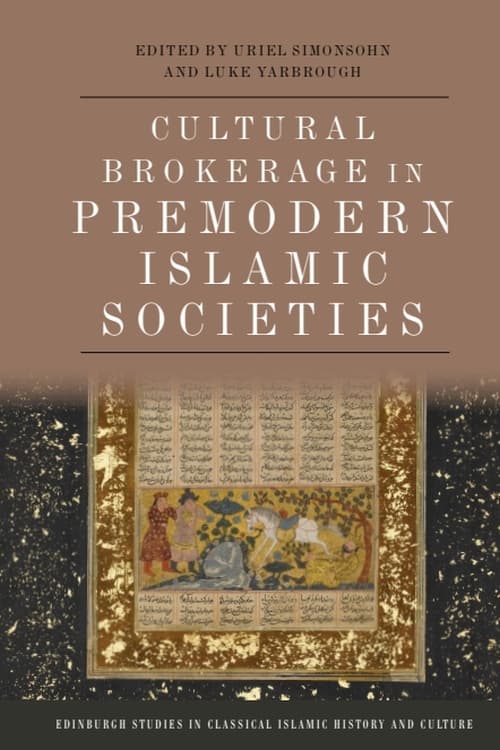
- Cultural Brokerage in Premodern Islamic Societies, Ebook (EPUB), £125.00
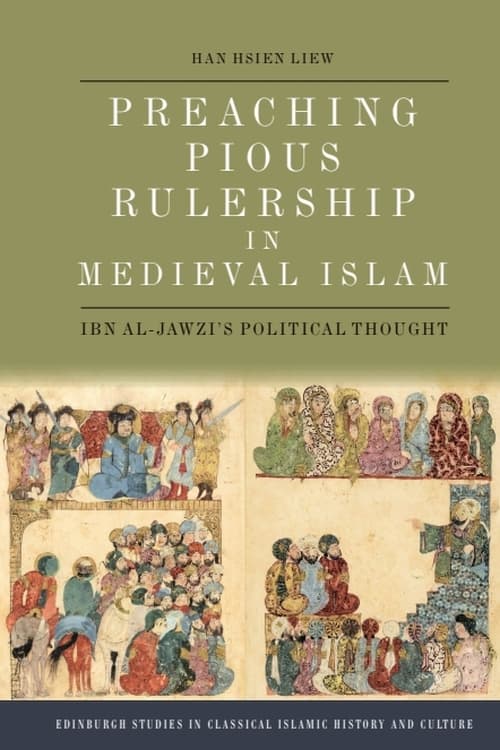
- Preaching Pious Rulership in Medieval Islam, Ebook (EPUB), £95.00
From the same series
More in Edinburgh Studies in Classical Islamic History and Culture
Ebook (EPUB)£125.00
Ebook (EPUB)£95.00
Paperback£34.99
Ebook (EPUB)£24.99

Ebook (EPUB)£24.99
Ebook (EPUB)£29.99
Ebook (EPUB)£20.99
Ebook (EPUB)£20.99
More in IMES
View all
Ebook (EPUB)£85.00

Ebook (EPUB)£90.00

Ebook (EPUB)£14.99

Ebook (EPUB)£100.00

Ebook (EPUB)£95.00