£19.99
IMESEdinburgh Studies in Classical Islamic History and Culture
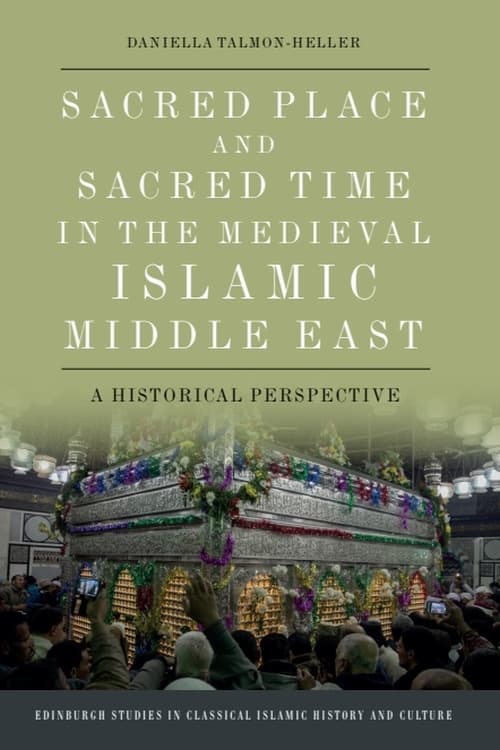
Sacred Place and Sacred Time in the Medieval Islamic Middle East
A Historical Perspective

Our ebooks are read in the Academic Reader app. After you buy, we’ll email you how to open your ebook in it.
Description
Explores the construction of sanctity and its manifestations in the medieval Muslim Middle East
- Draws on a wide variety of primary sources from many genres: narrative and documentary sources, travelogues, epigraphic and material evidence, legal, devotional and prescriptive religious literature
- Deals with the perspectives of Sunnis, Shi`is of the Ithna`ashariyya and Isma`ilis, which are rarely treated simultaneously in research
- The ‘long durée’ treatment of religious phenomena offers a wide perspective, examining both continuity and change
- The material is organised to allow modular reading, telling two stories with theoretical implications that go beyond the case studies
- Truly interdisciplinary, it studies textual evidence and material sources in tandem and integrates the study of religious thought, practice and literature within political contexts
This book offers a fresh perspective on religious culture in the medieval Middle East. It investigates the ways Muslims thought about and practiced at sacred spaces and in sacred times through two detailed case studies: the shrines in honour of the head of al-Husayn (the martyred grandson of the Prophet), and the holy month of Rajab. The changing expressions of the veneration of the shrine and month are followed from the formative period of Islam until the late Mamluk period, paying attention to historical contexts and power relations. Readers will find interest in the attempt to integrate the two perspectives synchronically and diachronically, in a discussion of the relationship between the sanctification of space and time in individual and communal piety, and in the religious literature of the period.
Contents
Acknowledgements
List of figures and maps
INTRODUCTION
1 Emic Terms and Etic Concepts
2 The State of the Art
PART I. A SACRED PLACE: The Shrine of al-Husayn's Head
3 From Karbala to Damascus: A Relic with Multiple Shrines
4 The Commemoration of al-Husayn in Fatimid Ascalon
5 Excursus: Donations to Mosque and Shrines
6 Why Ascalon? Christian martyrs and Muslim murābiṭūn (defenders)
7 Excursus: Medieval Pilgrimage: Victor Turner's Input
8 From Ascalon to Cairo: The Duplication of Sacred Space
9 Excursus: Faḍāʾil ʿAsqalān (The Merits of Ascalon) - a preliminary list of 9th-15th century works
10 From Shiʿi to Sunni: The Shrine under the Ayyubids and Mamluks
11 Excursus – al-Husayn and Saladin in Palestinian Lore
12 The Shrine in Ascalon under the Ayyubids and Mamluks (twelfth-sixteenth centuries)
13 Excursus: Ibn Taymiyya on the Veneration of the Head of al-Husayn
14 Summary
PART II. A SACRED TIME: The Month of Rajab
15 Rajab in Pre-Islamic Arabia and in Early Islam
Truce
ʿUmra (‘minor pilgrimage’) and Ritual Slaughter
Fasting
Prayers and Supplications
Sermons
16 Excursus: The Founding of an Islamic Lunar Calenda
17 Rajab during Fatimid Rule
Official Rites of Rajab
ʿUmra and Ziyāra
Prayers and Supplications
Fasting
18 Excursus: Istighfār
19 Rajab under the Ayyubids and Mamluks
Prayers and Supplications
The Night of Ascension
Fasting
ʿUmra (‘minor pilgrimage’) and Ziyāra (visitation)
Charitable Giving and other Devotions
Processions
20 Excursus: Arabic Treatises in Praise of the Sacred Months
21 Summary
FINAL COMMENTS: Spacial and Temporal Sanctity
Author
Reviews
[...] clearly provides a deep immersion into medieval Muslim society and an understanding of the foundations of Islam in the modern world.
A splendid and much needed analysis of how notions of sancitity were translated into time and space. Talmon-Heller musters an impressive range of sources to reconstruct what sacred time and sacred space meant to Muslim communities in the pre-Ottoman Middle East.
Sacred Space and Sacred Time makes important contributions to Islamic studies and to History of Religions debates on the sanctity of time and space. It is well-documented, offers fresh reflections on the thought of certain authors whose ideas have been widely studied (Ibn Taymiyya, Ibn al-Ḥajj al-ʿAbdarī), and analyzes numerous others whose writings remain understudied.
[...] it is not difficult to affirm that Talmon-Heller has made a major contribution to two (not so) peripheral themes in the framework of sacred spaces and times. She has done valuable work in exploring them in such an all-encompassing way that scholars in the area of Islamic Studies, religious anthropology and philosophy of religion will need to give her work serious consideration.
Goes well with this book
From the same series or subject.
- Sacred Place and Sacred Time in the Medieval Islamic Middle East, Ebook (EPUB), £22.99
- Cultural Brokerage in Premodern Islamic Societies, Ebook (EPUB), £125.00
- Preaching Pious Rulership in Medieval Islam, Ebook (EPUB), £95.00
From the same series
More in Edinburgh Studies in Classical Islamic History and Culture
Ebook (EPUB)£125.00
Ebook (EPUB)£95.00
Paperback£34.99
Ebook (EPUB)£24.99
Ebook (EPUB)£24.99
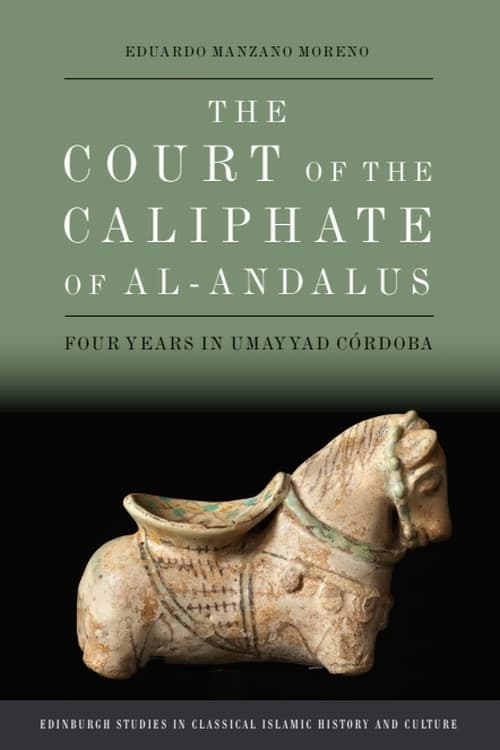
Ebook (EPUB)£29.99
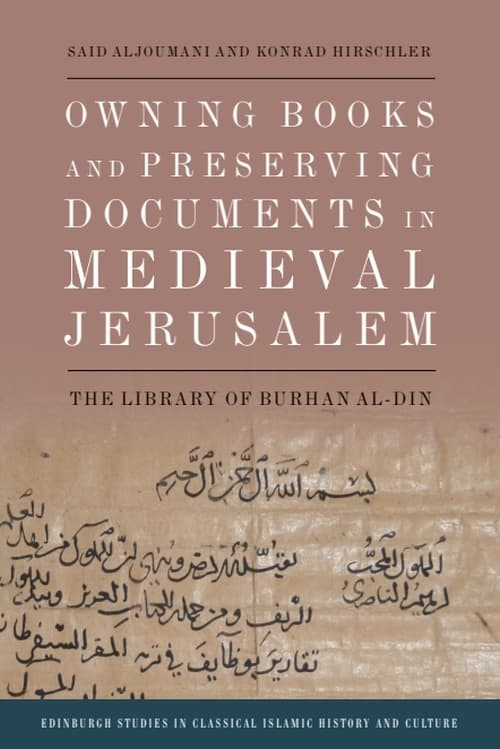
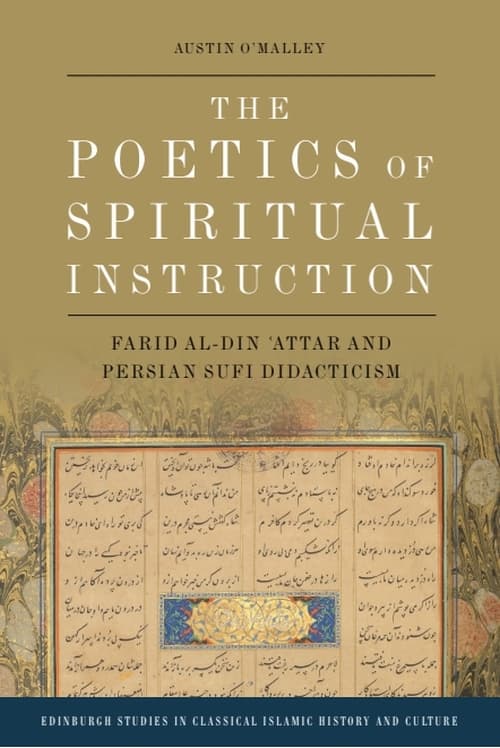
Ebook (EPUB)£20.99
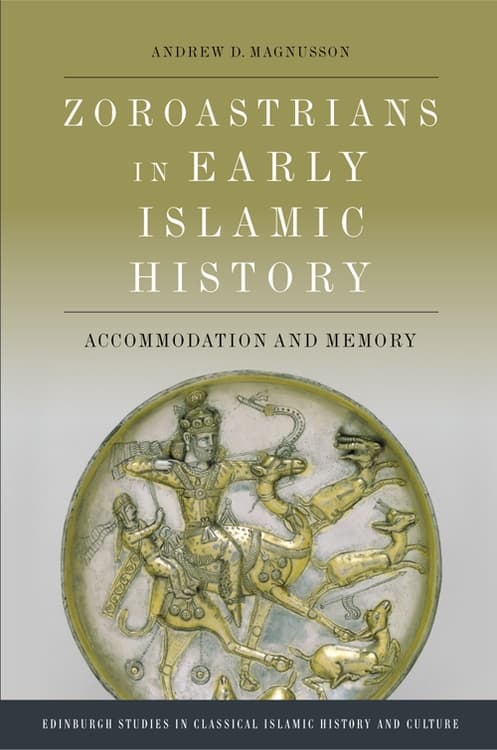
Ebook (EPUB)£20.99
More in IMES
View all
Ebook (EPUB)£85.00
Ebook (EPUB)£90.00
Ebook (EPUB)£14.99
Ebook (EPUB)£100.00
Ebook (EPUB)£95.00