£19.99
IMESEdinburgh Studies in Classical Islamic History and Culture
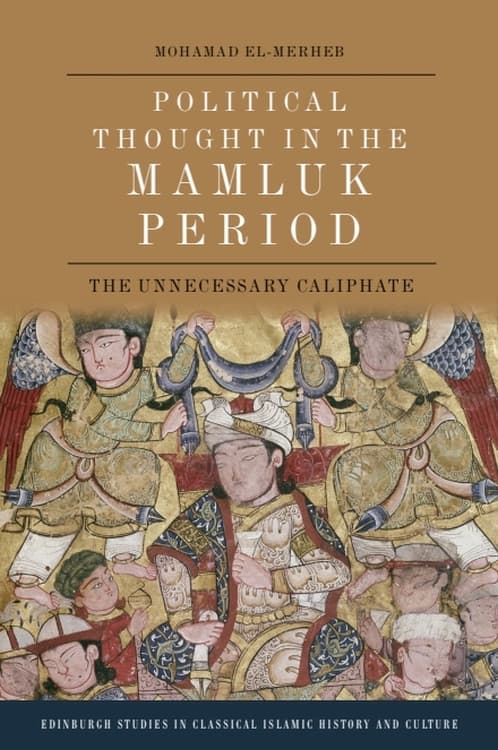
Political Thought in the Mamluk Period
The Unnecessary Caliphate

Our ebooks are read in the Academic Reader app. After you buy, we’ll email you how to open your ebook in it.
Description
A new history of medieval Islamic political thought, focusing on the rule of law, limited government and the theory of delegation
- Studies Ayyubid and Mamluk political thought beyond the prevalent focus on Ibn Taymiyya
- Offers a novel classification of the themes and concerns of medieval Islamic political thought
- Studies both Ibn Jamaʿa’s well-known works and previously unstudied treatises
- Presents a fresh interpretation of a distinctive Sufi political thought and uncovers its interrelatedness with Ashʿari-Sufism and Shafiʿism
- Includes 5 case studies based on treatises authored by legal theorists, jurists, judges and administrators
The legal theorists, jurists, judges and administrators of the late Ayyubid and early Mamluk period tackled a central question in their political thought: how best to govern their communities. This book proposes a taxonomy of the main themes and concerns of this political thought under the three ideals of the rule of law, limited government and legitimate delegation of power. Further, it recommends a contextualist approach for interpreting Islamic political texts based on their narrow social, intellectual and political contexts.
Examining treatises by 5 carefully selected authors who flourished in the Syro-Egyptian lands in the period between c.1250 and c.1350, the book also deals with important questions of authorship, readership and dedicatees, authorial motives and intentions, genres and literary styles, sources and influences, and applicability.
Contents
IntroductionWhat is Islamic political thought?SourcesReading Ayyubid and Mamluk political thoughtThemes, concerns and idealsChapters outline
1. Reading Islamic political thoughtThe longue duréeImposed paradigms i) Theory of the caliphate ii) The fall of BaghdadThe mythology of genreAvailability of textsContextualising political thoughtIntellectual, social and cultural contextPolitical languages, conventions and discourses
2. Ibn Jamaʿa’s synthesis and praxis of Shafiʿi political thoughtIbn Jamaʿa: a biography The Political Thought of Ibn JamaʿaBeginnings: the MustanadCrystallisation: the MukhtasarSynthesis: the TahrirThe praxis of Ibn Jamaʿa’s political thoughtConclusion
3. Sufi political thoughtThe Sufis and the production of political thoughtSufism and politicsMisbah al-hidaya: Sufi political thoughtCoercive authority by right of necessityEthics, mysticism and the rule of law i) Ethics and practical philosophy ii) Restraint of the ruler’s powerThe Sufi theory of delegationThe primacy of Sufi counselConclusion
4. The late Ayyubid and early Mamluk context: Ibn Talha and al-QarafiIbn Talha: taming sultanic powerIbn Talha: life and workThe blending of genresModeration of power by ethicsCoercive power: legitimacy, necessity and justiceAdministration, delegation and the shariʿaA genealogical missing link?Al-Qarafi: the granularisation of the Prophet’s authorities
5. Mamluk historiography as a form of political thoughtAl-Subki’s biography of Ibn ʿAbd al-SalamThe politics of al-Subki’s historiographyA Shafiʿi Lieu de M é moire?Politics and madhhabsConventions preservedThe contours of Shafiʿi political thought i) De-legitimation of sultan al-Salih Ismaʿil ii) Moderating rulers: the reign of al-Salih Ayyub iii) Caliph, sultan, amirs and ʿulamaʾ iv) Defending the populace v) Baybars: Legitimation and tensionShafiʿi political thought in a later Subki workConclusion
BibliographyPrimary sourcesSecondary sources
Author
Reviews
This is a rewarding read certain to appeal to both generalists and specialists.
This is a rewarding read certain to appeal to both generalists and specialists.
It is often assumed that the late Ayyubid and early Mamluk saw an unquestioning acceptance of military rule and the absolute authority of the sultan. In this well-argued and provocative book, the author shows that there was a lively and intelligent debate among the ulama about the legitimate and illegitimate use of power. El-Merheb's work is an important contribution to the history of Islamic political thought.
Goes well with this book
From the same series or subject.
- Political Thought in the Mamluk Period, Ebook (EPUB), £26.99
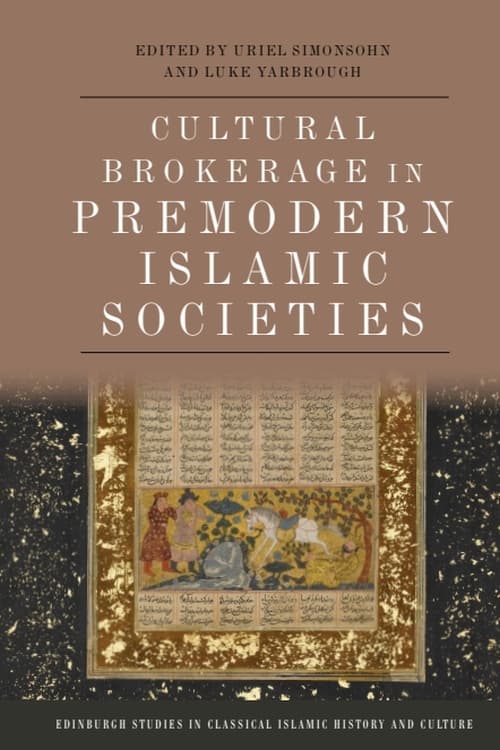
- Cultural Brokerage in Premodern Islamic Societies, Ebook (EPUB), £125.00
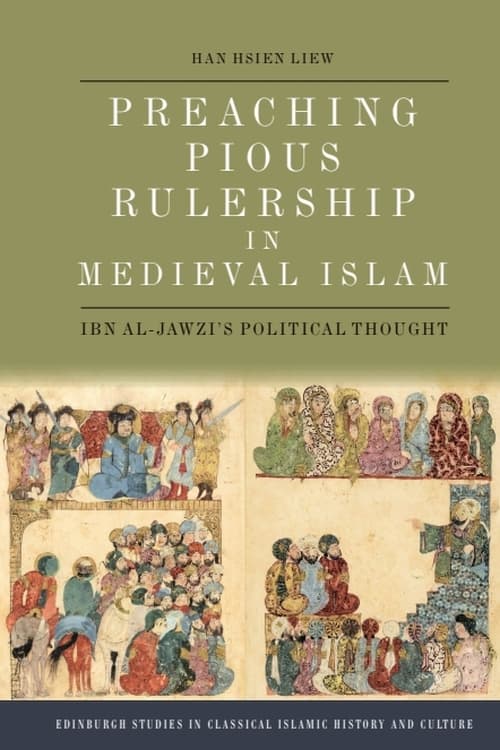
- Preaching Pious Rulership in Medieval Islam, Ebook (EPUB), £95.00
From the same series
More in Edinburgh Studies in Classical Islamic History and Culture
Ebook (EPUB)£125.00
Ebook (EPUB)£95.00
Paperback£34.99
Ebook (EPUB)£24.99
Ebook (EPUB)£24.99
Ebook (EPUB)£29.99
Ebook (EPUB)£20.99
Ebook (EPUB)£20.99
More in IMES
View all
Ebook (EPUB)£85.00
Ebook (EPUB)£90.00
Ebook (EPUB)£14.99
Ebook (EPUB)£100.00
Ebook (EPUB)£95.00