Paperback£19.99
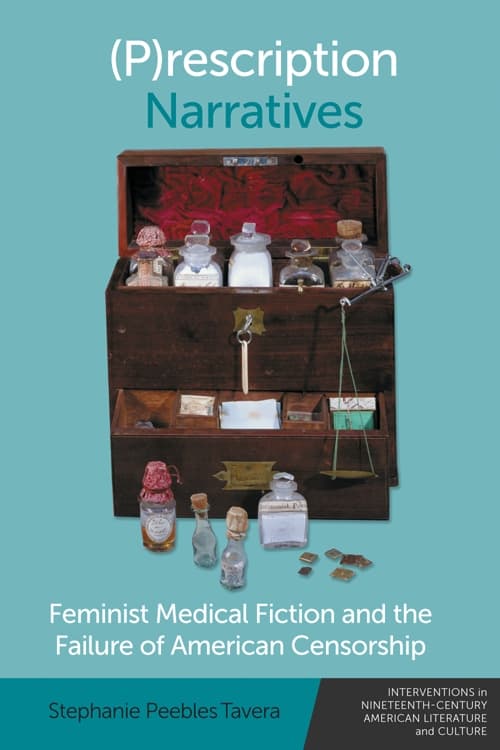
Literary StudiesInterventions in Nineteenth-Century American Literature and Culture, 11
(P)rescription Narratives
Feminist Medical Fiction and the Failure of American Censorship

Our ebooks are read in the Academic Reader app. After you buy, we’ll email you how to open your ebook in it.
Description
Examines how women writers of medical fiction rewrite cultural narratives of the female body against censorship under the Comstock Laws
- Offers an original contribution to the study of nineteenth-century American literature that recovers and examines lesser-known texts by canonical nineteenth-century women writers
- Contributes to the emerging fields of medical fiction, medicine and literature, and medical humanities by examining how one group of women writers intervenes in discourses of reproductive health during a period of censorship
- Brings disability theory and affect theory into productive conversations that explore the limitations of social construction and materiality, and offers empathy as a discursive method of resolving tensions in each field
- Offers a new theory of (p)rescription that accounts for the role of narrative as an apparatus in ongoing identity formations linked to disability, race, and gender
(P)rescription Narratives reveals how the act of narrative creates the subjects of disability, race, and gender during a period of censorship in American history. In a Crip Affect reading of woman-authored medical fiction from the Comstock law era, this book astutely argues that women writers of medical fiction practice storytelling as a form of narrative medicine that prescribes various forms of healing as an antidote to the shame engineered by an American culture of censorship. Woman-authored medical fiction exposes the limitations of social construction and materiality in conversations about the female body since subject formation relies upon multiple force relations that shape and are shaped by one another in ongoing processes that do not stop despite our efforts to interpret cultural artifacts. These multiple failures – to censor, to resist, to interpret – open up a space for negotiating how we engage the world with greater empathy.
Contents
AcknowledgementsIntroduction
1. Crip Medicine: Environmental Health and the Matter of Hysteria
2. Listen for the New Man: From Narrative Prosthesis to Narrative Medicine
3. Kinetic Medicine: Superposition of Black Female Subjectivity Before the Law
4. Affective Fear: Vulnerability and Risk in Anti-VD Campaign Counternarratives
Conclusion: Medical Theater: The Birth of Anti-Lynching Plays and Reproductive Justice
Bibliography
NotesIndex
Author
Reviews
Tavera has conducted impressive, original archival and legal research in addition to delving into pertinent secondary historical sources. The author also deserves praise for her deft yet restrained use of personal and family history to bring her observations home. Equally praiseworthy is her sustained and simultaneous attention to ascriptive identities of gender, race, and disability as well as to their inextricable entanglement... Tavera deserves much credit for her deep dive into what has regrettably become the newly germane Comstock era and for making an ardent case throughout her thought-provoking book for a “new theoretical framework” mirroring the one she offers us, where concepts “like (p)resecription, animacy, sentimental biopower, and crip affect” help “(re)imagine and (re)theorize the oppositional power of nineteenth-century women writers of medical fiction”.
Brimming with heart and intelligence, (P)rescription Narratives turns to the fascinating topic of women’s medical fiction to stimulate vital new conversations between medical humanities, disability studies and affect theory. The result is an invigorating diagnosis of the full slipperiness of the body as it appeared in the late nineteenth century: partly plastic, the result of social life impressing upon it and partly the product of the rigid molds of race, sex and ability. Tavera brilliantly locates women writers at the frictional space where these two paradigms collide, revealing how the materiality of language and the affective dimensions of narrative become their therapeutics to expose the contradictions of their era while attempting to free themselves from them.
Stephanie Peebles Tavera’s (P)rescription Narratives makes an important contribution to the literary history of gender and medical narratives as well as intervening into critical conversations concerning literary affect and material feminisms. [...] While ambitious, Tavera’s project succeeds in covering such a large scope. Her ability to connect each woman-authored narrative to the linguistic materiality that contextualizes those narratives allows readers to see each major intervention. Whether she is arguing that Gilman and Davis craft narrative animacy working against discourses trying to de-animate disabled female bodies or that Elizabeth Stuart Phelps creates the concept of the New Man as a rescript for the New Woman, thus working to heal traumas of national gender oppression, Tavera’s study is always thoroughly developed and convincing. (P)rescription Narratives is crucial reading for anyone interested in the biosocial history of gender, race, and disability in American studies.
[...] solidly sticks the landing as a daring, insightful, innovative, and highly relevant study.
Goes well with this book
From the same series or subject.
- (P)rescription Narratives, Ebook (EPUB), £20.99
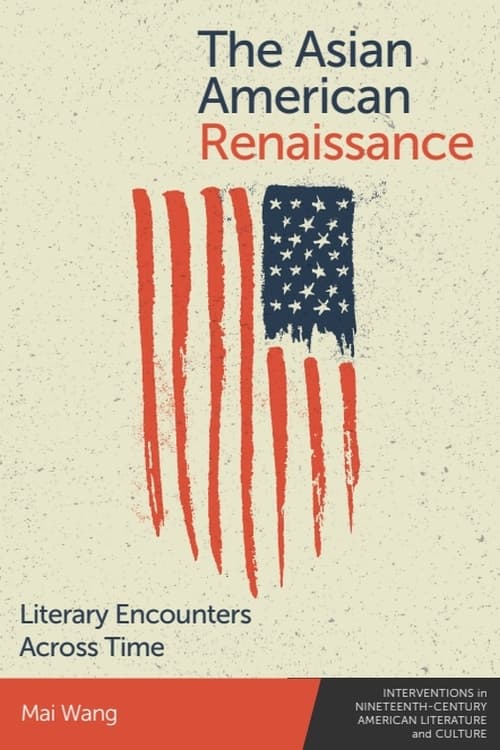
- The Asian American Renaissance, Paperback, £19.99
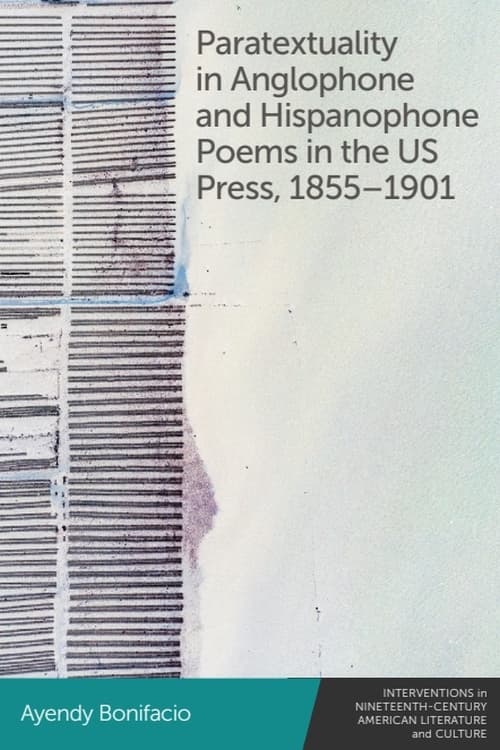
- Paratextuality in Anglophone and Hispanophone Poems in the US Press, 1855–1901, Ebook (EPUB), £19.99
From the same series
More in Interventions in Nineteenth-Century American Literature and Culture
Ebook (EPUB)£19.99
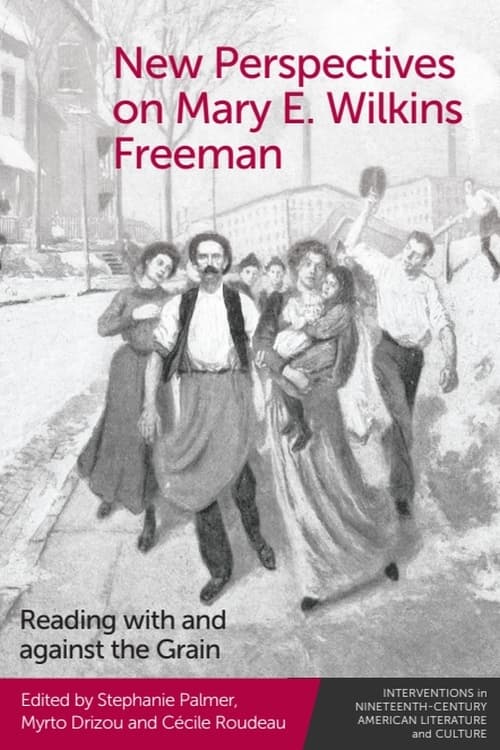
Ebook (EPUB)£25.99
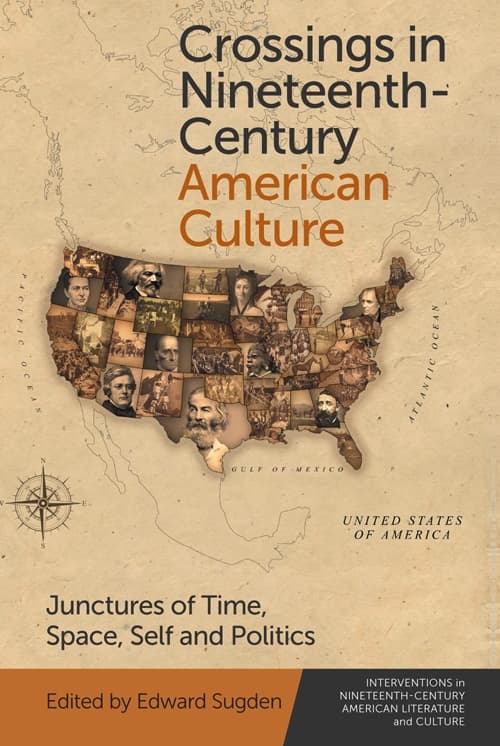
Ebook (EPUB)£25.99
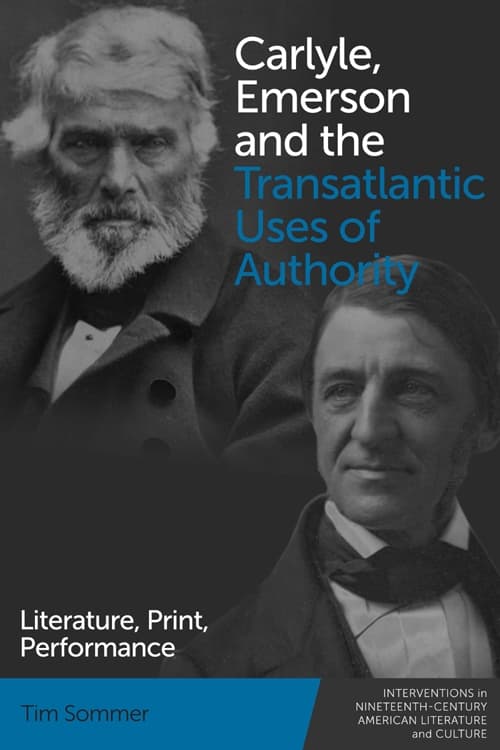
Ebook (EPUB)£26.99
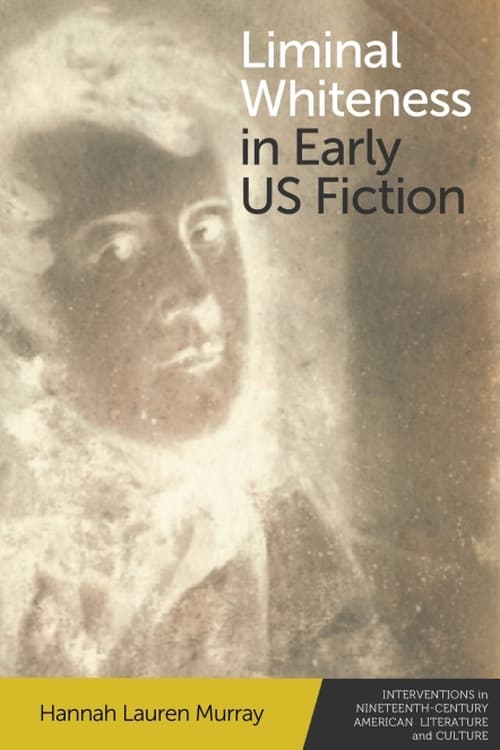
Ebook (EPUB)£22.99
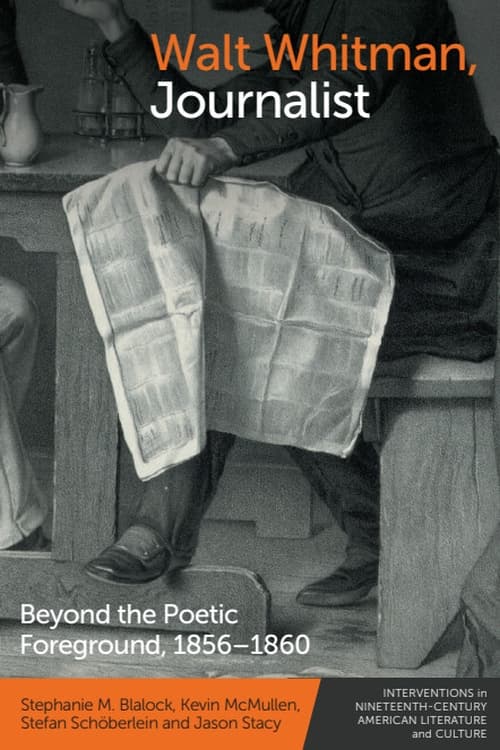
Hardback£95.00
Hardback£90.00
More in Literary Studies
View all
Ebook (EPUB)£125.00
Ebook (EPUB)£110.00
Ebook (EPUB)£90.00
Ebook (EPUB)£90.00
Ebook (EPUB)£90.00