Paperback£19.99
Literary StudiesInterventions in Nineteenth-Century American Literature and Culture, 7
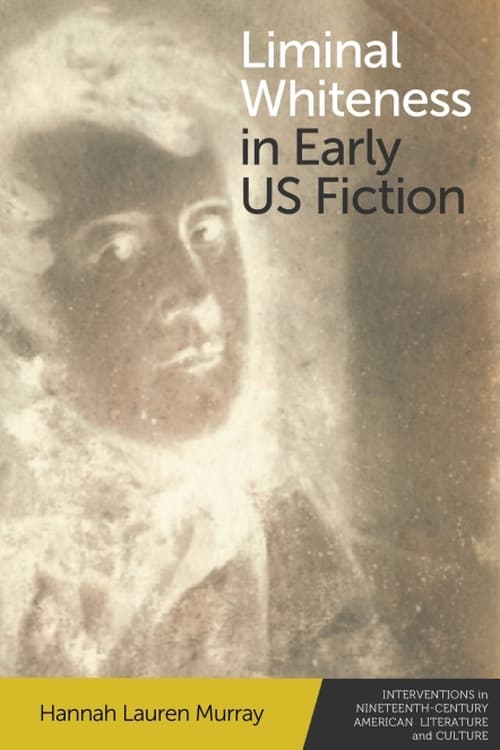
Liminal Whiteness in Early US Fiction

Our ebooks are read in the Academic Reader app. After you buy, we’ll email you how to open your ebook in it.
Description
An in-depth examination of liminality and race in early US fiction
- Offers a Critical Whiteness study of early US fiction with innovative readings of canonical and lesser-known texts
- Brings together fiction and multiple discourses on White racial identity in the early US: natural history, medical science, blackface minstrelsy, abolitionism and anti-abolitionism, mesmerism, spiritualism
- Contributes to ongoing work in early US fiction race studies by reading White male characters as figures of otherness
Hannah Lauren Murray shows that early US authors repeatedly imagined lost, challenged and negated White racial identity in the new nation. In a Critical Whiteness reading of canonical and lesser-known texts from Charles Brockden Brown to Frank J. Webb, Murray argues that White characters on the border between life and death were liminal presences that disturbed prescriptions of racial belonging in the early US. Fears of losing Whiteness were routinely channelled through the language of liminality, in a precursor to today’s White anxieties of marginalisation and minoritisation.
Contents
Acknowledgements A Note on Language Introduction: Inexplicable Voices: Liminal Whiteness in the Early United States
1. ‘A shriek so terrible!’: Charles Brockden Brown’s Sensational Ventriloquists 2. ‘This is a story-telling age’: Spectral Nostalgia in Washington Irving’s Bracebridge Hall 3. ‘What had become of me?’: Sheppard Lee’s Blackface Transformation 4. ‘I say to you that I am dead!’: Edgar Allan Poe's Protesting Cadavers 5. ‘How can I speak to thee?’: Herman Melville’s Muted Voice 6. ‘I’m making a white man of him’: Making and Breaking Whiteness in The Garies and their Friends
Coda: The Resurrection of Whiteness BibliographyIndex
Author
Reviews
In a quick coda, Murry powerfully connects the dots to the United States today, showing how fears of white marginality continue fueling the powerfully exclusionary logics of whiteness. This is a book that is generous to its predecessors across an array of fields, and that gives new liveliness and relevance to familiar debates about the destructive innovation of white citizenship in the newly United States.
In a quick coda, Murry powerfully connects the dots to the United States today, showing how fears of white marginality continue fueling the powerfully exclusionary logics of whiteness. This is a book that is generous to its predecessors across an array of fields, and that gives new liveliness and relevance to familiar debates about the destructive innovation of white citizenship in the newly United States.
As scholars of American literature and history know, White dread has been a haunting presence for a long, long time. Anxious fantasies of replacement, subsumption, diminution: in Liminal Whiteness, Hannah Murray raises these spirits, and gets them to speak in new tongues. Across agile readings of figures from Brockden Brown, Poe and Melville to Robert Montgomery Bird and Frank Webb, Liminal Whiteness vivifies a rich literary counter-history and gives us new purchase on the shifting terrain of reactive White fantasy.
Goes well with this book
From the same series or subject.
- Liminal Whiteness in Early US Fiction, Ebook (EPUB), £22.99
- The Asian American Renaissance, Paperback, £19.99
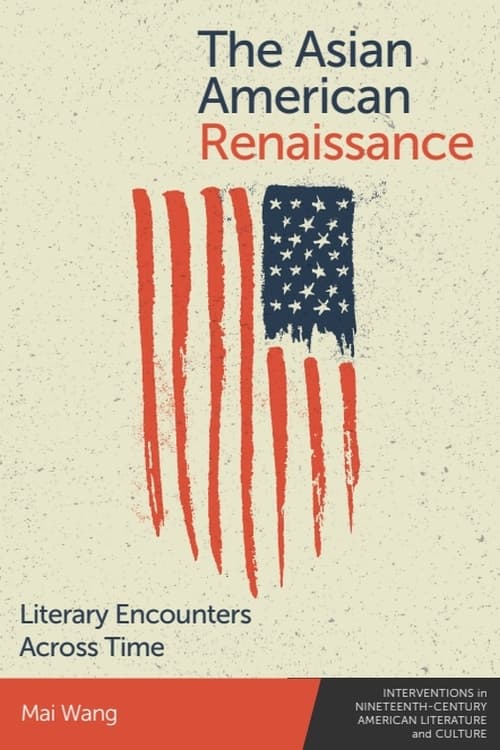
- Paratextuality in Anglophone and Hispanophone Poems in the US Press, 1855–1901, Ebook (EPUB), £19.99
From the same series
More in Interventions in Nineteenth-Century American Literature and Culture
Ebook (EPUB)£19.99
Ebook (EPUB)£25.99
Ebook (EPUB)£20.99
Ebook (EPUB)£25.99
Ebook (EPUB)£26.99
Hardback£95.00
Hardback£90.00
More in Literary Studies
View all
Ebook (EPUB)£125.00
Ebook (EPUB)£110.00
Ebook (EPUB)£90.00
Ebook (EPUB)£90.00
Ebook (EPUB)£90.00