£19.99
IMESEdinburgh Studies in Classical Islamic History and Culture
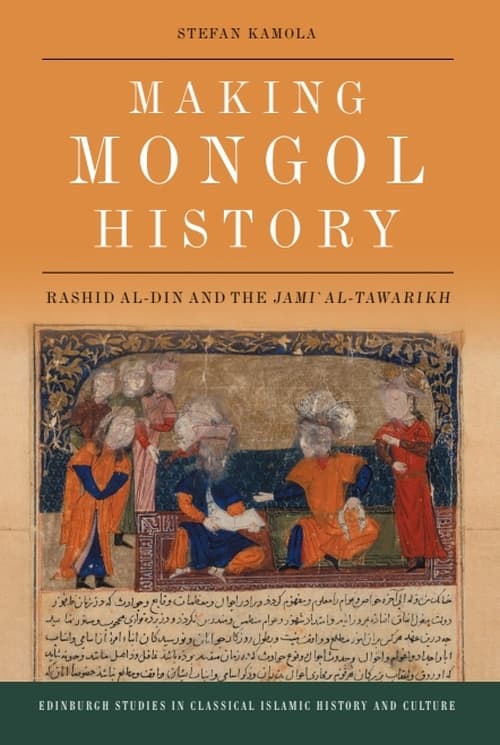
Making Mongol History
Rashid al-Din and the Jamiʿ al-Tawarikh

Our ebooks are read in the Academic Reader app. After you buy, we’ll email you how to open your ebook in it.
Description
Explores Rashid al-Din’s impact on seven centuries of historical writing
- A narrative of early Ilkhanid history accessible to students and useful to scholars
- A new approach to the biography of one of the most influential figures in medieval Islamic history
- Includes appendices describing the structure, sources and illustrative programs of the Jamiʿ al-Tawarikh and cataloguing all known manuscripts of the work
- Shows the relationship between early modern Persian and modern European structures of knowledge about the Mongol world
This book examines the life and work of Rashid al-Din Tabib (d. 1318), the most powerful statesman working for the Mongol Ilkhans in the Middle East. It begins with an overview of administrative history and historiography in the early Ilkhanate, culminating with Rashid al-Din’s Blessed History of Ghazan, the indispensable source for Mongol and Ilkhanid history. Later chapters lay out the results of the most comprehensive study to date of the manuscripts of Rashid al-Din’s historical writing. The complicated relationship between Rashid al-Din’s historical and theological writings is also explored, as well as his appropriation of the work of his contemporary historian, `Abd Allah Qashani.
Contents
Preface
Chapter 1. Mongols in a Muslim world, 1218-1280
Chapter 2. The likely course of an unlikely life, 1248-1302
Chapter 3. Mongol dynastic history, 1302-1304
Chapter 4. New projects of faith and power, 1304-1312
Chapter 5. Remaking Mongol history, 1307-1313
Chapter 6. Creating the image of Rashid al-Din, 1312-1335
Epilogue. Rashid al-Din at the court of Shahrokh
Appendix A. The Collected Histories and its illustrations
Appendix B. A descriptive catalogue of manuscripts of the Collected Histories
Bibliography
Author
Reviews
For anyone using Rashid al-Din – and that means pretty much anyone working on the thirteenth and fourteenth century Iranians, Turks, or Mongols – Making Mongol History is simply a must-have. Kamola’s work supersedes all previous work on the manuscript history of the Jami‘ al-Tawarikh. His new classification of the manu-scripts into recensions will be the framework for all future study of the text. His teasing out of how the Jami‘ al-Tawarikh "bleeds" into and in turn is "bled into" by works from many other authors is a vital reminder of the gap between the conceptions of "work" and "authorship" in manuscript cultures and print cultures. His synthesis of manuscript history with intellectual history is a bravura demonstration of the continuing significance of philology for understanding the human past.
The core of this impressive study of Rashid al-Din’s oeuvre is the minute analysis of the manuscript witnesses of his celebrated ‘world history’ and the stages through which the author’s writing of history and sense of himself evolved, requiring a radical revision of most previous studies of Mongol-era historiography.
Goes well with this book
From the same series or subject.
- Making Mongol History, Ebook (EPUB), £29.99
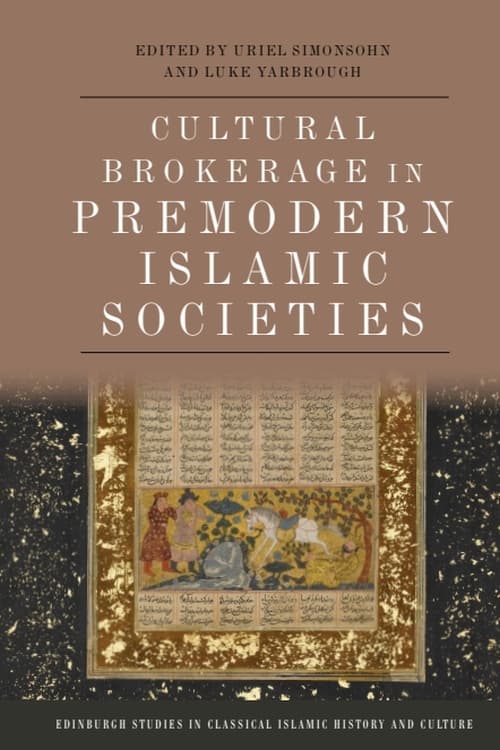
- Cultural Brokerage in Premodern Islamic Societies, Ebook (EPUB), £125.00
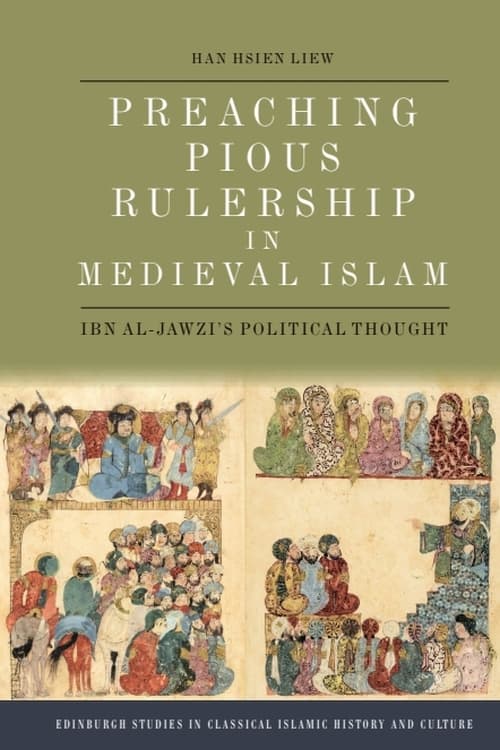
- Preaching Pious Rulership in Medieval Islam, Ebook (EPUB), £95.00
From the same series
More in Edinburgh Studies in Classical Islamic History and Culture
Ebook (EPUB)£125.00
Ebook (EPUB)£95.00
Paperback£34.99
Ebook (EPUB)£24.99
Ebook (EPUB)£24.99
Ebook (EPUB)£29.99
Ebook (EPUB)£20.99
Ebook (EPUB)£20.99
More in IMES
View all
Ebook (EPUB)£85.00
Ebook (EPUB)£90.00
Ebook (EPUB)£14.99
Ebook (EPUB)£100.00
Ebook (EPUB)£95.00