Ebook (EPUB)£95.00
PhilosophyNew Perspectives in Ontology
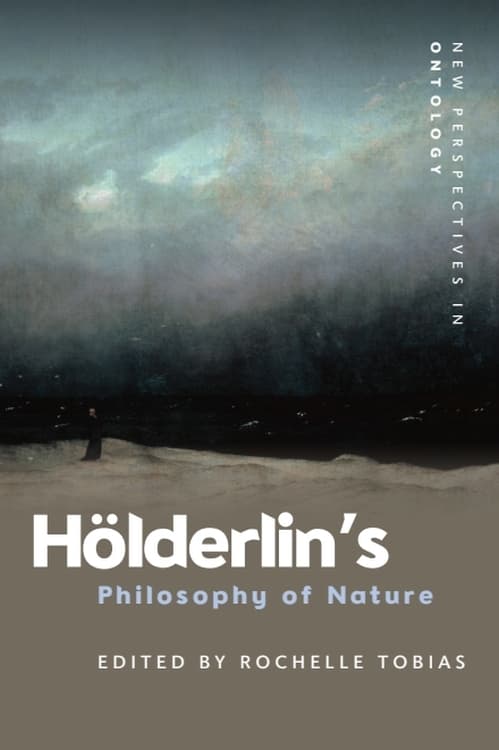
Hölderlin's Philosophy of Nature

Our ebooks are read in the Academic Reader app. After you buy, we’ll email you how to open your ebook in it.
Description
Shows the relation between Hölderlin’s poetic theory and his concept of nature as developed in his poetry, prose and dramatic works
- Analyzes Hölderlin’s cosmology and its relation to his conception of the divine
- The first collection to interpret his work within the context of the philosophy of nature
- Offers unique models for understanding the intersection of literature and philosophy
- Places ecological thought in dialogue with German Romanticism and Idealism
- Highlights the ontological significance of aesthetic categories (e.g. meter, harmony, discord and tragedy) in Hölderlin’s work to explain the role poetry plays in the history of being
In our age of climate change, the work of the decidedly philosophical poet Friedrich Hölderlin has gained renewed urgency with its emphasis on the forces of nature that produce life and at the same time threaten to devour it. At the heart of his work lies an understanding of nature and the role that consciousness plays within it. This responds to, but also revises, the concerns of 18th and 19th-century philosophy of nature.
This collection of 15 essays by distinguished international scholars reconsiders what his work reveals about the impulses toward form and formlessness in nature and the role that poetry plays in creating Hölderlin’s ‘harmonious opposition’. The collection shows that Hölderlin anticipates many of the concerns that motivate contemporary environmental thinking.
Contents
List of Abbreviations
Acknowledgements
Introduction
I. Tragic Nature
Jennifer Anna Gosetti-Ferencei
, Nature and Poetic Consciousness from Hölderlin to RilkeKatrin Pahl
, Raging with Care: The Poet’s Liquid FireAchim Geisenhanslüke,
The Order of the Unbound: Time and History in Hölderlin’s ‘The Titans’II
. Hölderlin’s RiversRochelle Tobias
, The Untamed Earth: The Labour of Rivers in Hölderlin’s ‘The Ister’Márton Dornbach
, Hölderlin’s Local Abstraction: The Natural-Historical Sublime in ‘Voice of the People’Bruno C. Duarte
, Translating Centaurs: Notes on Hölderlin’s ‘The Life-Giving’III. Natural Beauty and the Absolute
Luke Fischer
, Hölderlin’s Mythopoetics: From ‘Aesthetic Letters’ to the New MythologyAnja Lemke
, The Transition Between the Possible and the Real: Nature as Contingency in ‘The declining fatherland …’Jacob Haubenreich
, ‘My whole being fell silent, and read’: Peter Handke’s Hölderlin and Heidegger Reception and the New ‘New Mythology’IV.
The Place of PoetryCsaba Szabó
, Nature, Nurse, Khôra: Notes on the Poetics of Hölderlin’s Ode ‘Man’Jan Mieszkowski
, Not RhythmThomas Schestag
, allowed, disallowedNotes on Contributors
Author
Reviews
This rigorous, well-written study gives special attention to how Hölderin differed from his idealist contemporaries (especially Fichte and Schelling), but many readers may find it rewarding to contemplate how he seems to fall between Herder and Nietzsche in the development of the philosophy of history. [...] Summing Up: Recommended.
The contributions in the volume respond to this programmatic framework by taking Hölderlin's work in different -and sometimes even oppes-directions. What emerges from the collection is thus not Hölderlin's philosophy of nature but Hölderlin's nature-philosophies. (...) The success of the volume consists in its reconsideration of Hölderlin's poetry as indicative of a speculative project that is not yet complete, one that brings into articulation forms of nature that exceed and yet, some-how ground (or unground) the human being in exploratory and often contradictory ways (...).
This collection takes Hölderlin at his word, which means reading him as a poet and as a thinker in one. It leaves us in no doubt as to the radical insights his work offers into what a philosophy of nature is and can be, never forgetting that philosophy and poetry are themselves part of what we do to nature.
This rigorous, well-written study gives special attention to how Hölderin differed from his idealist contemporaries (especially Fichte and Schelling), but many readers may find it rewarding to contemplate how he seems to fall between Herder and Nietzsche in the development of the philosophy of history. [...] Summing Up: Recommended.The contributions in the volume respond to this programmatic framework by taking Hölderlin's work in different -and sometimes even oppes-directions. What emerges from the collection is thus not Hölderlin's philosophy of nature but Hölderlin's nature-philosophies. (...) The success of the volume consists in its reconsideration of Hölderlin's poetry as indicative of a speculative project that is not yet complete, one that brings into articulation forms of nature that exceed and yet, some-how ground (or unground) the human being in exploratory and often contradictory ways (...).
Goes well with this book
From the same series or subject.
- Hölderlin's Philosophy of Nature, Ebook (EPUB), £22.99
- Schelling and The Ages of the World, Ebook (EPUB), £95.00
- Absolute Dialetheism, Ebook (EPUB), £105.00
From the same series
More in New Perspectives in Ontology
Ebook (EPUB)£105.00
Ebook (EPUB)£90.00
Ebook (EPUB)£19.99
Ebook (EPUB)£24.99
Ebook (EPUB)£19.99
Ebook (EPUB)£19.99
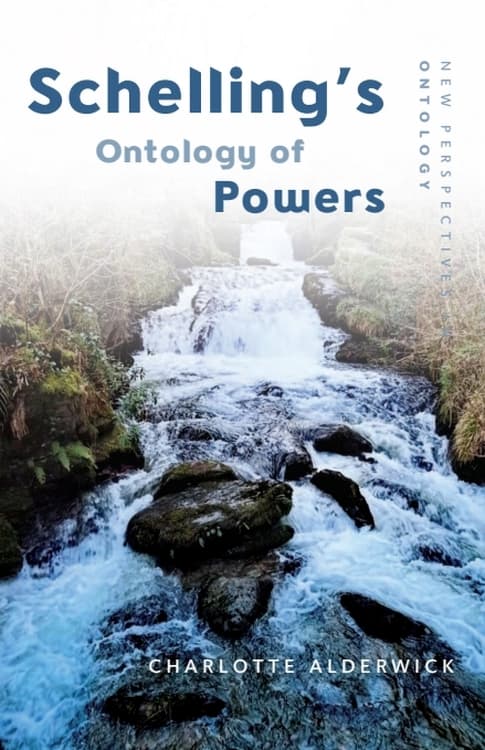
Ebook (EPUB)£22.99
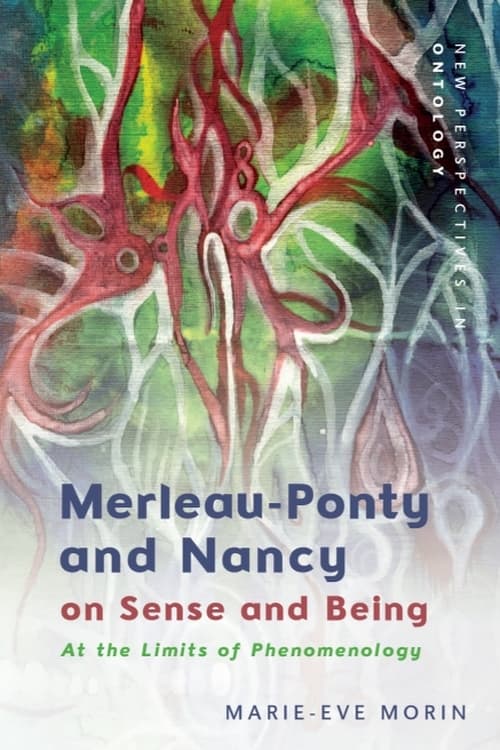
Ebook (EPUB)£20.99
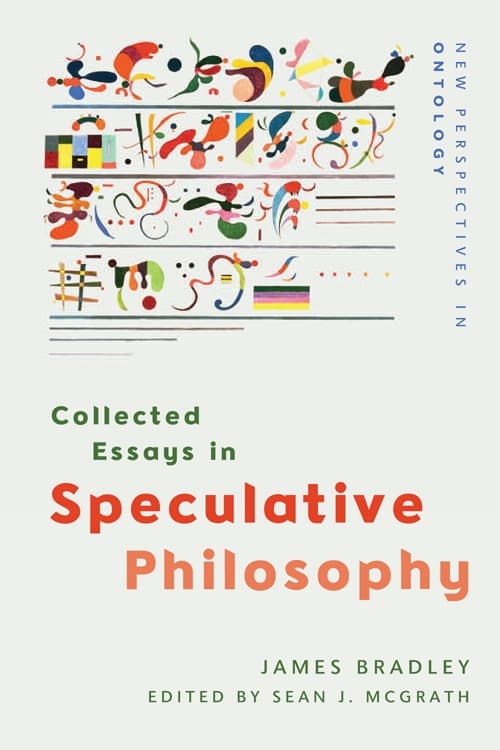
Ebook (EPUB)£22.99
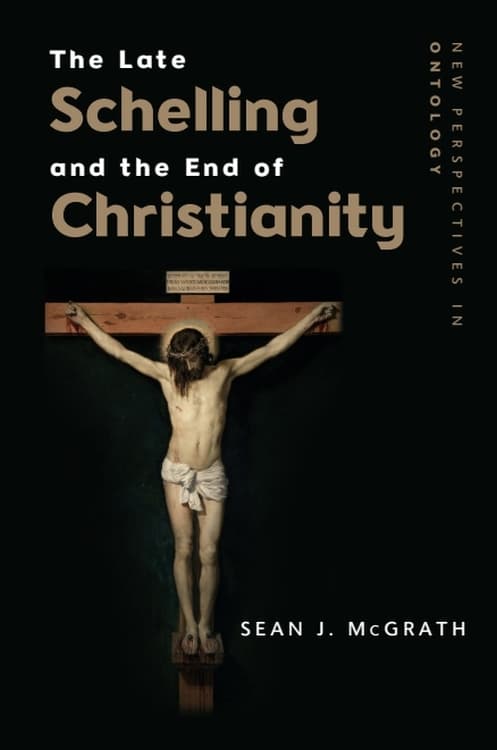
Ebook (EPUB)£27.99
Ebook (EPUB)£22.99
More in Philosophy
View all
Ebook (EPUB)£95.00
Ebook (EPUB)£110.00
Ebook (EPUB)£95.00
Ebook (EPUB)£150.00

Ebook (EPUB)£24.99