Ebook (EPUB)£95.00
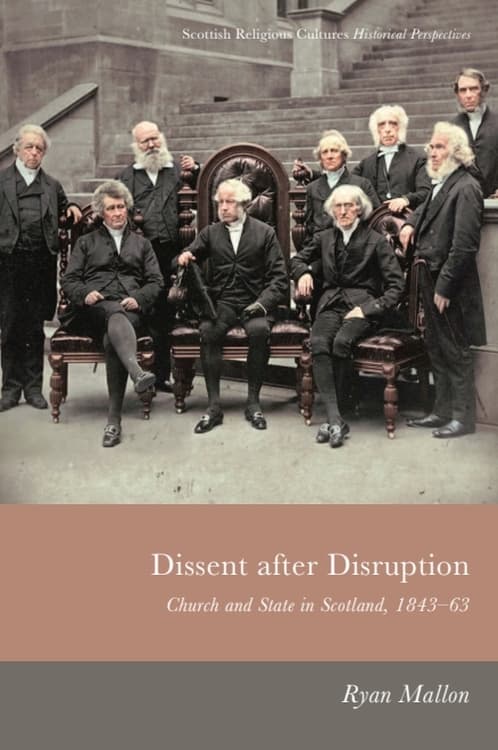
Scottish StudiesScottish Religious Cultures: Historical Perspectives
Dissent After Disruption
Church and State in Scotland, 1843-63

Our ebooks are read in the Academic Reader app. After you buy, we’ll email you how to open your ebook in it.
Description
A history of post-Disruption Scottish Presbyterian dissent and its religious, political, and social influence
- Emphasises the role of the underexplored United Presbyterian Church in influencing Scottish religious identity in the mid-nineteenth century, thus moving post-Disruption historiography beyond simple comparisons between the Established and Free churches and opening up possibilities for further research into Scottish dissent
- Argues that the changing relationships within Scottish dissent between 1843 and 1863 had a lasting and fundamental impact on Scottish religion for much of the next century, culminating in the formation of the United Free Church in 1900 and the 1929 reunion of the Church of Scotland
- Discusses the important role Scotland’s dissenters played in the major ecclesiastical, political, and social issues of the mid-nineteenth century, such as the debates over the church-state relationship, electoral politics, anti-popery controversies, education reform, and poor law reform
- Based on extensive archival research, including church minutes and financial records, newspapers, and private correspondence between the leading religious and political figures of the period such as Thomas Chalmers
The Disruption of the Church of Scotland was one of the most important events in Victorian Britain and had a profound and lasting impact on Scottish religion, politics and society. This book provides the first detailed account of the two major non-established Presbyterian denominations in the two decades after 1843, which together accounted for roughly half of Scotland’s churchgoers: the Free Church, formed by those who left the Established Church at the Disruption, and the United Presbyterian Church, a consolidation of the various secessions of the previous century.
It explores how the relationship between these churches developed from the bitter feuds over the church-state connection prior to the Disruption to co-operation in the major ecclesiastical, political, and social matters of the day, paving the way to negotiations for merger commencing in 1863. The period between 1843 and 1863 redefined conceptions of what it meant to be Presbyterian and Scottish. By examining a key transitional period in Scottish history, this monograph charts how definitions of Presbyterianism, the Kirk, and dissent evolved as Scotland’s national religion slowly moved from the divisions of the previous century towards eventual reunion in 1929.
Contents
Abbreviations; Acknowledgements; Introduction Section One: Dissent and Disruption 1. New Lights: the growth of dissent and voluntaryism in Scotland, 1712-1843 2. A national or voluntary church? The Free Church and the establishment principle Section Two: Co-operation and Incorporation3. ‘Co-operation without incorporation’: dissenting relations after the Disruption4. The age of unions? Dissenting church reunion, 1847-63 Section Three: Politics and Anti-popery5. Truth, error, and principle: anti-Catholicism in Presbyterian dissent 6. Bigotry or Liberalism? Dissenting politics and the Liberal party Section Four: Reforming Scotland: social reform and national education7. Recreating the Godly Commonwealth: urban mission and social reform 8. Scottish education and dissenting division Conclusion Bibliography
Author
Reviews
This new study is a vitally important historiographical intervention, providing as it does the first detailed account of Scottish Presbyterian dissent in the wake of the Disruption. [Ryan Mallon has] produced a landmark text that will hopefully prove foundational for future studies of late modern Scottish religious culture.
Mallon’s perceptive research makes Dissent After Disruption: Church and State in Scotland, 1843–63 a welcome addition to the historiography of the post-Disruption period and compulsory reading for anyone interested in the evolution of Presbyterians in Scotland.
This welcome addition to the historiography of post-Disruption Scotland by a young scholar has brought attention to bear on how the fissiparous history of Scottish Presbyterianism continued as much after the Disruption as it had in the century beforehand. Ryan Mallon does this in an important study of not just the Free Church, but also of the United Presbyterian Church (UPC). It is a correction to what is perhaps too often a binary history of nineteenth-century Scottish Presbyterianism into Established and Free Churches.
There is much to be admired in Mallon’s study of Presbyterian dissent during the early years of Queen Victoria’s reign... the writing is stylistically superb, balancing detailed analysis with summative assessment and punctuated by enjoyably pithy turns of phrase. Historically, the work both significantly advances the field of Victorian Scottish religious history and powerfully shows how religious institutions and ideas interacted with and shaped all aspects of Scottish life.
Goes well with this book
From the same series or subject.
- Dissent After Disruption, Ebook (EPUB), £27.99
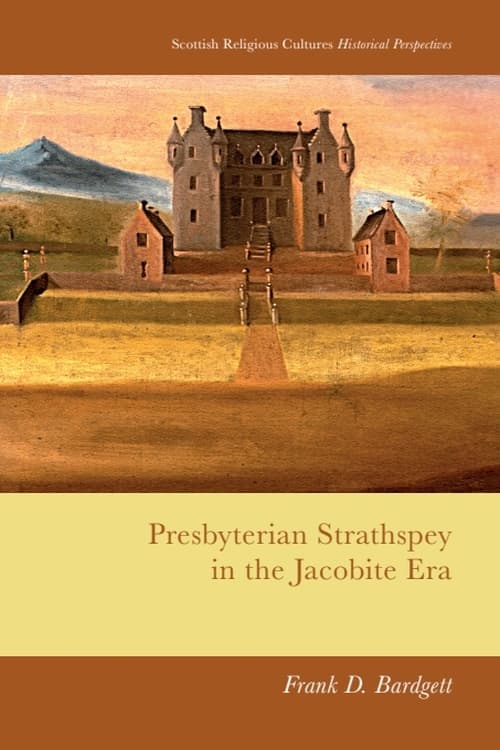
- Presbyterian Strathspey in the Jacobite Era, Ebook (EPUB), £95.00
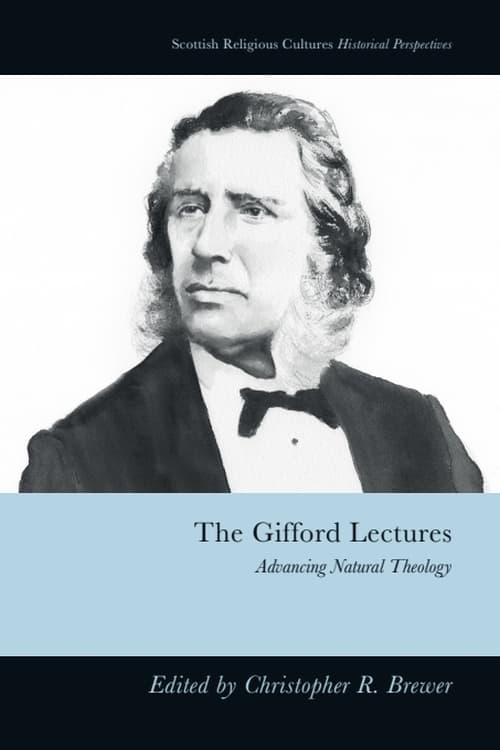
- The Gifford Lectures, Ebook (EPUB), £95.00
From the same series
More in Scottish Religious Cultures: Historical Perspectives
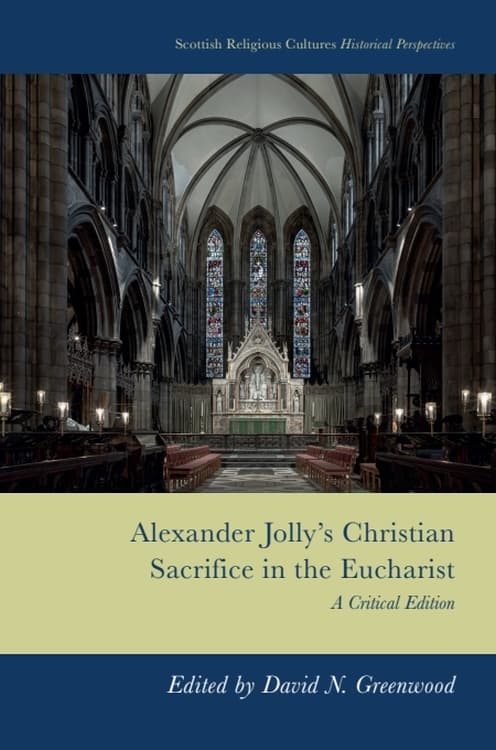
Ebook (EPUB)£95.00
Paperback£19.99
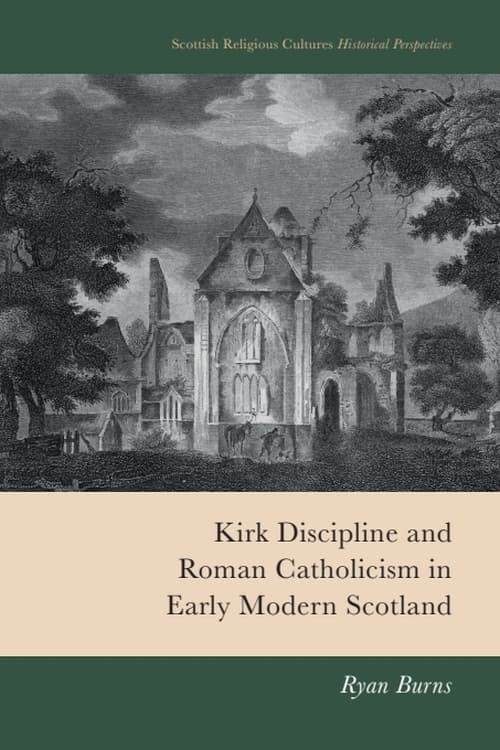
Paperback£19.99
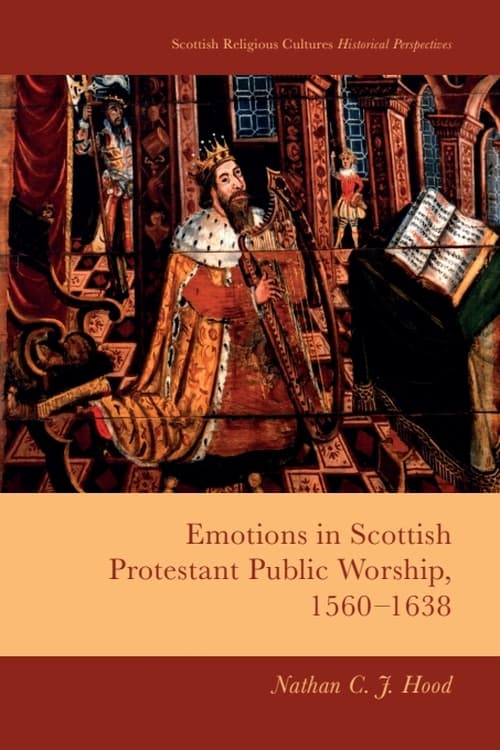
Paperback£24.99
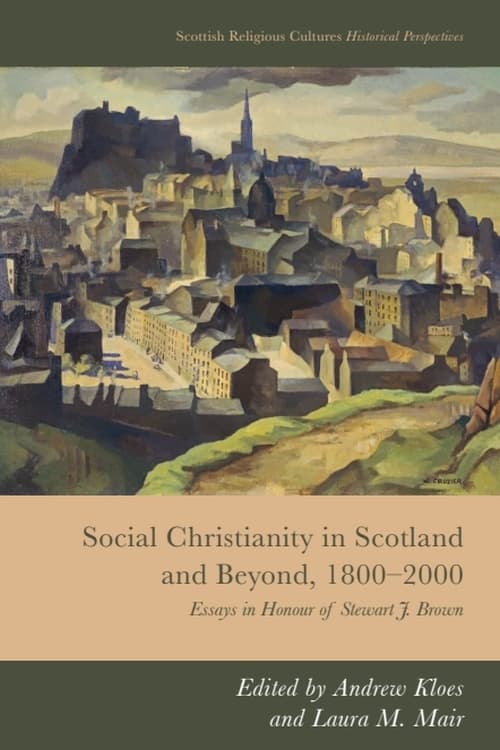
Ebook (EPUB)£24.99
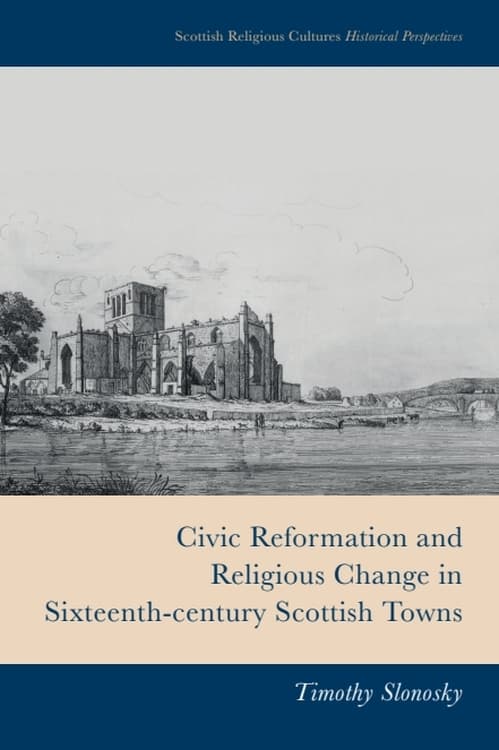
Ebook (EPUB)£24.99
Ebook (EPUB)£19.99
Ebook (EPUB)£24.99
Ebook (EPUB)£25.99
Ebook (EPUB)£20.99
Ebook (EPUB)£26.99
More in Scottish Studies
View all
Ebook (EPUB)£95.00
Ebook (EPUB)£95.00
Ebook (EPUB)£95.00
Ebook (EPUB)£95.00