Ebook (EPUB)£95.00
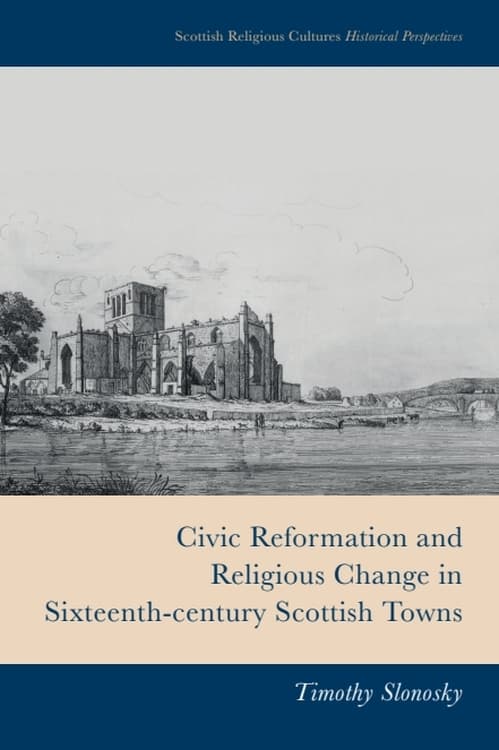
Scottish StudiesScottish Religious Cultures: Historical Perspectives
Civic Reformation and Religious Change in Sixteenth-Century Scottish Towns

Our ebooks are read in the Academic Reader app. After you buy, we’ll email you how to open your ebook in it.
Description
Explains the importance of townspeople to the success of the Scottish Reformation of 1559-1560
- Establishes the existence of an urban ‘civic religion’ in Scotland
- Argues for the crucial role of lay townspeople in the success of the Scottish Reformation
- Demonstrates effect of war, plague and economic difficulties during 1540s and 1550s on weaking Scots’ attachment to traditional Catholicism and making them more receptive to Protestantism
- Explains why Scottish Reformation was less violent and divisive than contemporary Reformations in France and Low Countries
Civic Reformation and Religious Change in Sixteenth-Century Scottish Towns demonstrates the crucial role of Scotland’s townspeople in the dramatic Protestant Reformation of 1560. It shows that Scottish Protestants were much more successful than their counterparts in France and the Netherlands at introducing religious change because they had the acquiescence of urban populations. As town councils controlled critical aspects of civic religion, their explicit cooperation was vital to ensuring that the reforms introduced at the national level by the military and political victory of the Protestants were actually implemented.
Focusing on the towns of Dundee, Stirling and Haddington, this book argues that the councillors and inhabitants gave this support because successive crises of plague, war and economic collapse shook their faith in the existing Catholic order and left them fearful of further conflict. As a result, the Protestants faced little popular opposition, and Scotland avoided the popular religious violence and division which occurred elsewhere in Europe.
Contents
Acknowledgments
Introduction
Part One: The Burghs
Chapter 1: The Burghs: Setting and Economy
Chapter 2: Governance in the burghs
Chapter 3: The Civic Church
Chapter 4: The Urban Clergy
Part Two: Discussion and Disaster
Chapter 5: The spread of new ideas 1520-1547
Chapter 6: Plague and War: 1543-50
Chapter 7: Recovery and Reaction 1550-1558
Part Three: Reformation from within and without
Chapter 8: Creating Protestant Towns
Conclusion
Works Cited
Author
Reviews
This work is packed with information supplemented with a copious bibliography, leaving readers with much to ponder.
The focus on this distinctive trio of towns [Dundee, Stirling and Haddington], the fine-grained reconstruction of urban religion and the particular explanatory model for the Reformation’s success make this a very valuable addition to Scottish Reformation studies. It will be one of the central texts as debates on local Reformations and the years around 1560 continue.
Goes well with this book
From the same series or subject.
- Civic Reformation and Religious Change in Sixteenth-Century Scottish Towns, Ebook (EPUB), £24.99
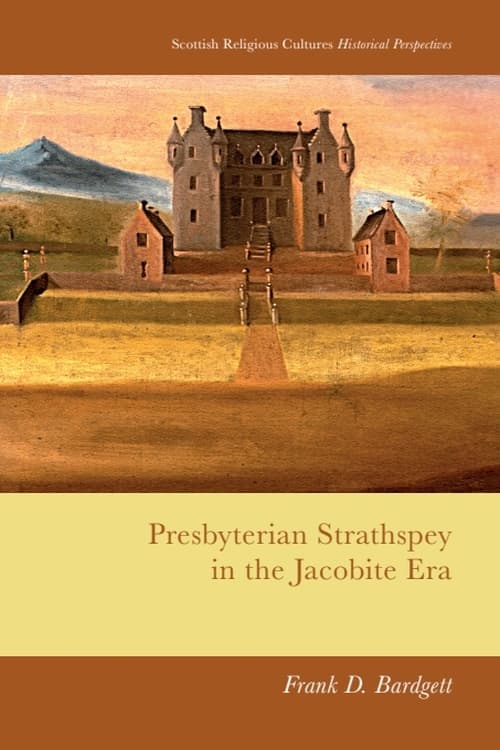
- Presbyterian Strathspey in the Jacobite Era, Ebook (EPUB), £95.00
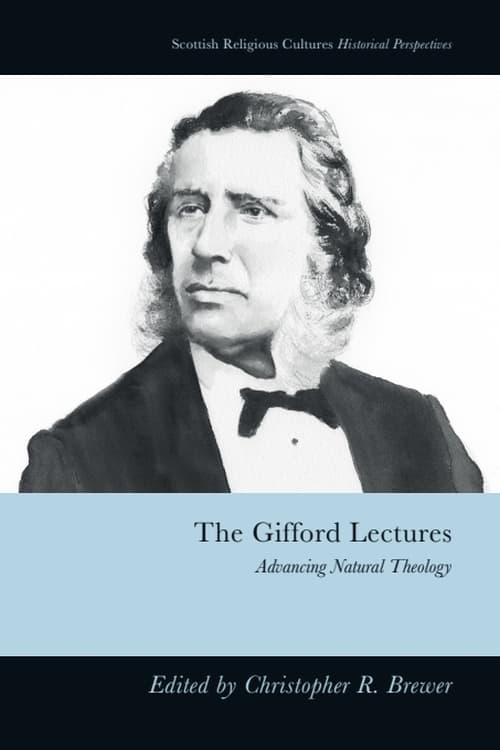
- The Gifford Lectures, Ebook (EPUB), £95.00
From the same series
More in Scottish Religious Cultures: Historical Perspectives
Ebook (EPUB)£95.00
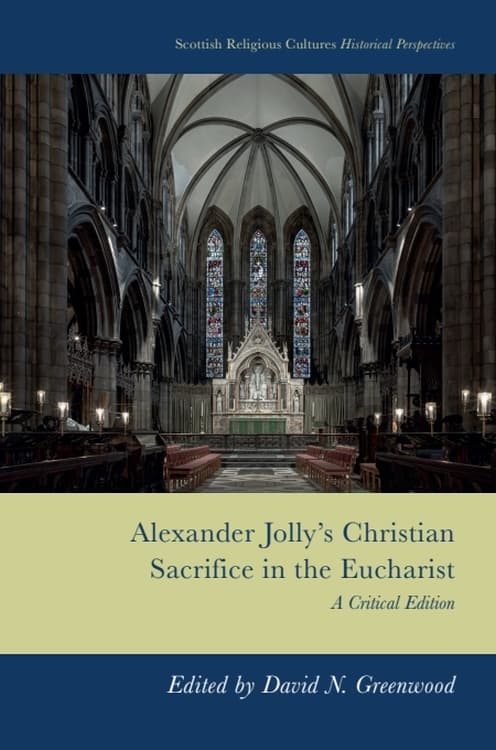
Paperback£19.99
Paperback£19.99
Paperback£24.99
Ebook (EPUB)£24.99
Ebook (EPUB)£19.99
Ebook (EPUB)£24.99
Ebook (EPUB)£25.99
Ebook (EPUB)£20.99
Ebook (EPUB)£26.99
Ebook (EPUB)£20.99
More in Scottish Studies
View all
Ebook (EPUB)£95.00
Ebook (EPUB)£95.00
Ebook (EPUB)£95.00
Ebook (EPUB)£95.00