Literary StudiesModern American Literature and the New Twentieth Century
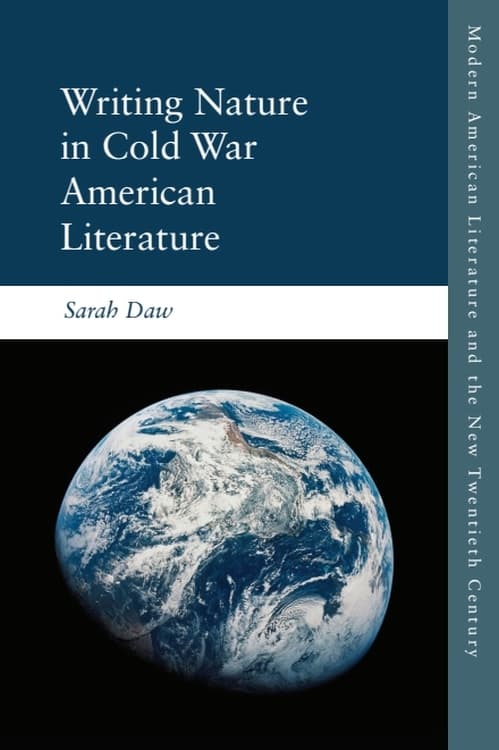
Writing Nature in Cold War American Literature

Our ebooks are read in the Academic Reader app. After you buy, we’ll email you how to open your ebook in it.
Description
Compelling analyses of the function and representation of Nature in a wide range of Cold War fiction and poetry by authors including Paul Bowles, J. D. Salinger, Jack Kerouac, Allen Ginsberg and Mary McCarthy reveals the prevalence of portrayals of Nature as an infinite, interdependent system in American literature written between 1945 and 1971.
Daw astutely highlights the Cold War’s often overlooked role in environmental history and argues that Rachel Carson’s Silent Spring (1962) can be considered as part of a trend of increasingly ecological depictions of Nature in literature written after 1945. By exploring the most recent developments in the field of ecocriticism, the book is embedded within current ecocritical debates concerning the Anthropocene and anthropogenic climate change.
Key Features- Contains five case studies of six Cold War writers: Paul Bowles, Peggy Pond Church, J. D. Salinger, Jack Kerouac, Allen Ginsberg and Mary McCarthy
- Offers an in-depth exploration of the influences behind each writer’s presentation of Nature
- Shows the Cold War to be a time of seismic change in the human’s relationship to the environment, and demonstrates the degree to which this inflects Cold War literature
- Engages with the most recent developments in the field of ecocriticism, which drive the study’s analytical methodology and embed the book within current ecocritical debates
Contents
AcknowledgmentsIntroduction: Ecocriticism and the Mid-Twentieth Century
Chapter 1. Attaining fana in Paul Bowles’s Infinite Landscapes
Chapter 2. Nature and the Nuclear Southwest: Peggy Pond Church and J. Robert Oppenheimer
Chapter 3. The Influence of Chinese and Japanese Literature on J. D. Salinger’s Philosophy of Nature
Chapter 4. The Beat Ecologies of Allen Ginsberg and Jack Kerouac
Chapter 5. Bifurcated Nature in Mary McCarthy’s Birds of America
Conclusion: ‘Know that the Earth will Madonna the Bomb’Index
Author
Reviews
Writing Nature in Cold War American Literature redraws ecocritical thinking. The atomic age, it argues, changed ways of seeing 'Nature'. Throughout, Daw weaves delicate, though challenging, analyses of how 'ecological thought' is at play across a number of Cold War American writers not usually discussed by ecocritics.
Goes well with this book
From the same series or subject.
- Writing Nature in Cold War American Literature, Ebook (EPUB), £25.99
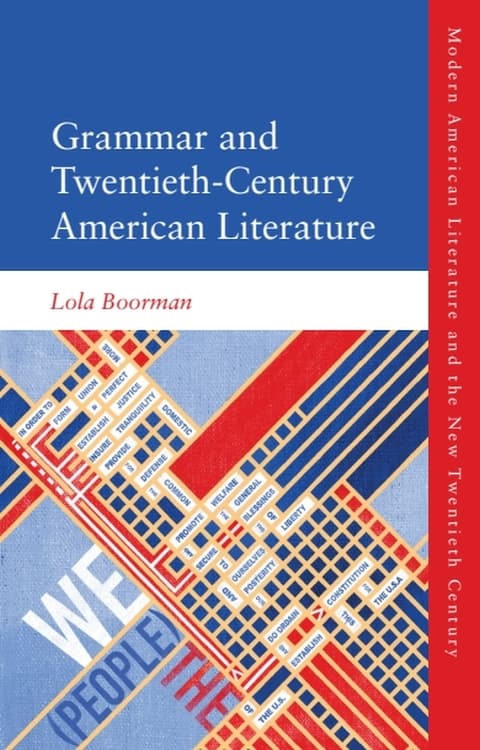
- Grammar and Twentieth-Century American Literature, Ebook (EPUB), £24.99
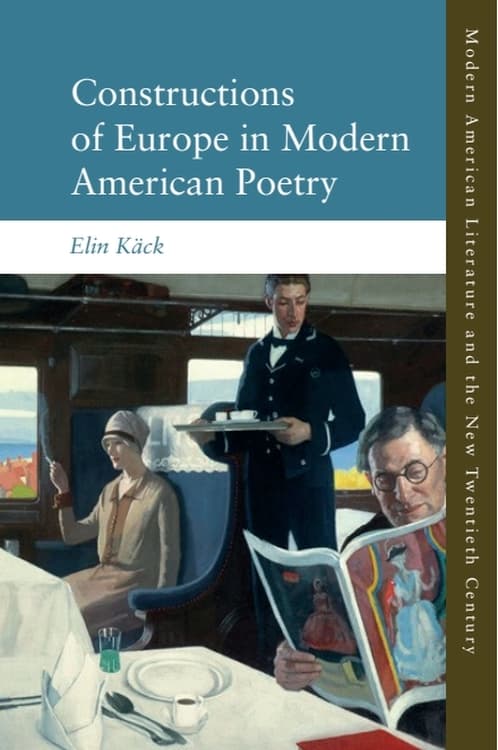
- Constructions of Europe in Modern American Poetry, Ebook (EPUB), £19.99
From the same series
More in Modern American Literature and the New Twentieth Century
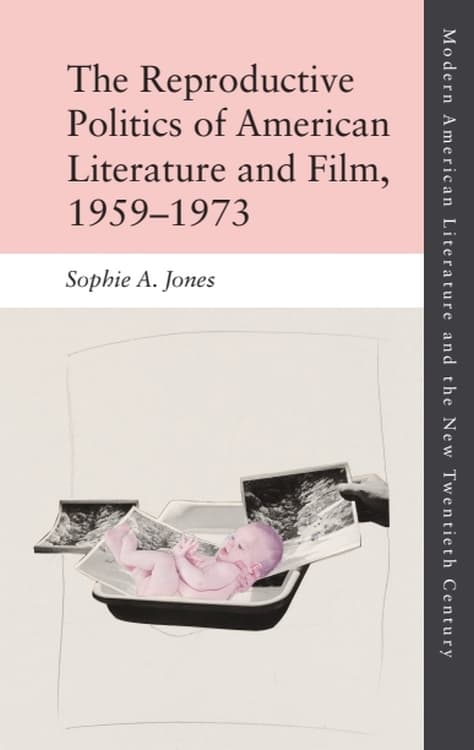
Ebook (EPUB)£24.99
Ebook (EPUB)£19.99
Ebook (EPUB)£24.99
Ebook (EPUB)£19.99
Ebook (EPUB)£19.99
Ebook (EPUB)£24.99
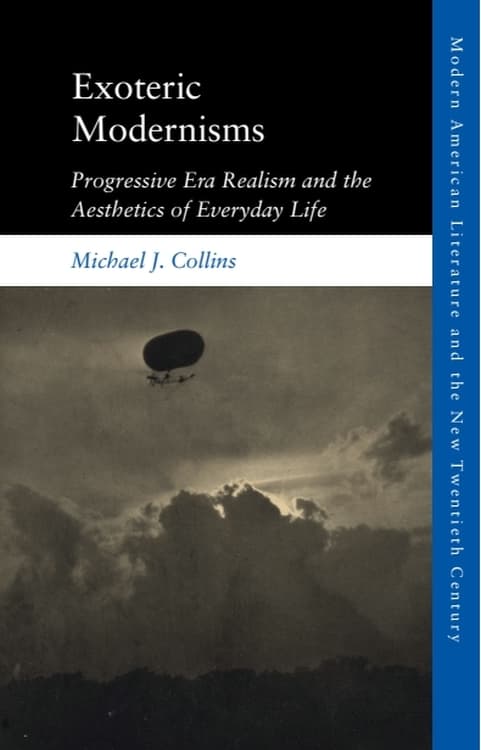
Ebook (EPUB)£24.99
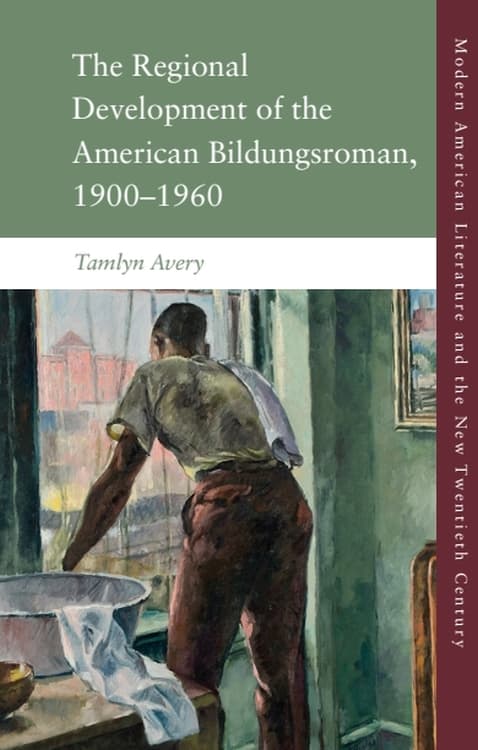
Ebook (EPUB)£25.99
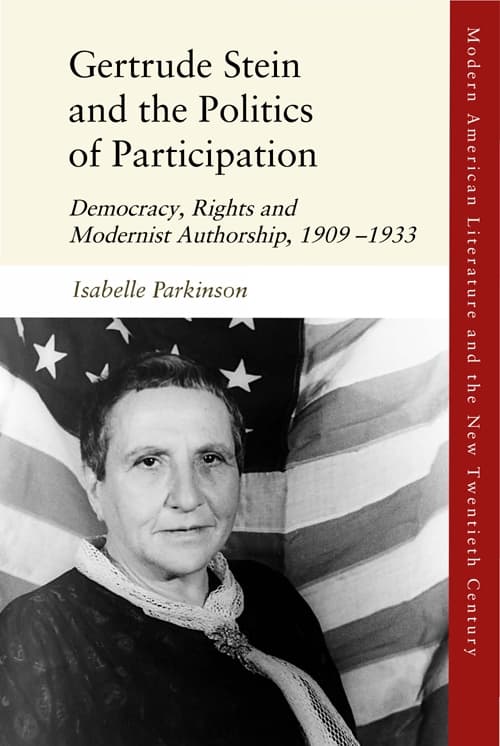
Ebook (EPUB)£25.99
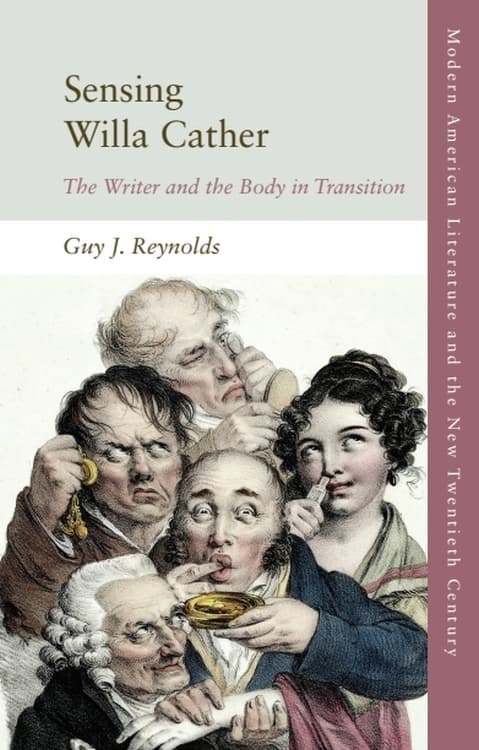
Ebook (EPUB)£22.99
Ebook (EPUB)£27.99
More in Literary Studies
View all
Ebook (EPUB)£125.00
Ebook (EPUB)£110.00
Ebook (EPUB)£90.00
Ebook (EPUB)£90.00
Ebook (EPUB)£90.00