Ebook (EPUB)£85.00
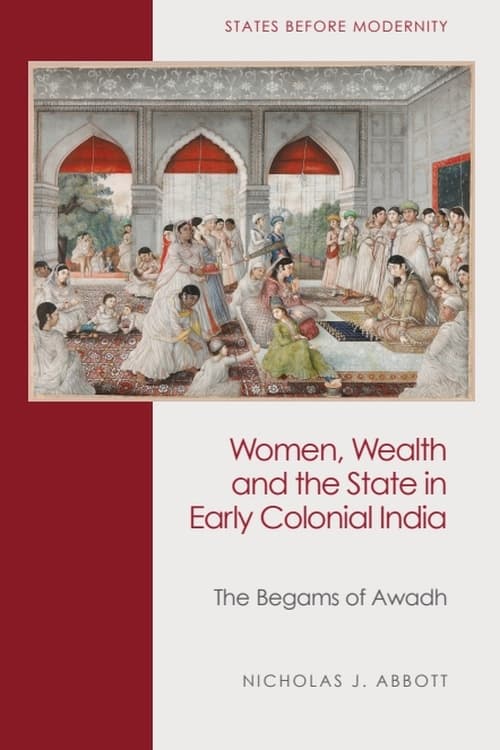
Women, Wealth and the State in Early Colonial India
The Begams of Awadh

Our ebooks are read in the Academic Reader app. After you buy, we’ll email you how to open your ebook in it.
Description
Examines wealthy Indian matriarchs as essential makers of states – and ideas of ‘the state’ – in pre- and early colonial India
- Rethinks the political, economic and institutional transition to British colonial rule through the lives of wealthy matriarchs in a late-Mughal successor state
- Links the gendered politics of Indian ruling families with the formation of the colonial state and attendant ideas of sovereignty and statehood
- Traces shifting ideas of ‘the state’ in pre- and early colonial India through emic Persianate political concepts
- Draws on the East India Company’s vast but little-used Persian-language archive
Few polities were more instrumental to the rise of the East India Company and the advent of British colonial rule in South Asia than the Mughal successor state of Awadh (c. 1722–1856). And few individuals influenced the making of the Awadh regime and its pivotal relationship with the Company more than the chief consorts (begams) of its ruling dynasty. Drawing on previously unexamined Persian sources, this book centres the begams of Awadh within a revised history of state-formation and conceptual change in pre- and early colonial India. In so doing, it posits the begams as essential, if contested, builders of both the Awadh regime and the Company state, and as ambivalent partners in forging evolving political economies and emerging conceptual languages of statehood and sovereignty in early colonial India.
Contents
Note on Translation and Transliteration
List of Abbreviations
Acknowledgements
Map of Awadh and British India, c. 1856
Map of Awadh Region
Awadh Dynasty Genealogical Chart
Introduction: Gender, Language and the State in Early Colonial India
1. Women, Households and State-Making, c. 1650–1765
2. Consolidating ‘the Sarkar’ in Awadh, 1765–75
3. Contesting the Begam, Contesting the State, 1775–98
4. Bahu Begam’s Will and ‘the Rights of the State,’ 1798–1815
5. Queen Mothers, Wasiqadar Wives and the Rhetoric of Annexation, c. 1815–50
Conclusion and Epilogue
Bibliography
Index
Author
Reviews
An erudite, thorough and thoughtful break with androcentric colonial-postcolonial historiography of 'the native state’. Abbott’s book also pioneers as the first monograph on women in propertied households as pivots of early modern South Asian finance and political culture. It considerably deepens modern feminist debates on Indian women’s political and property rights
Nicholas Abbott is breaking new ground in writing about South Asia’s eighteenth century from predominantly Persian source materials. This monograph offers a fresh approach to early colonial history as well as an exhaustive and imaginative treatment of source material. Abbott is particularly innovative in using philological and semiotic tools to think about the evolving concept of “sarkar” and in his capacious and thoughtful treatment of gender; by foregrounding the role of Awadh’s matriarchs, he presents a gender-sensitive reading of state and colonialism at a time of profound transition.
Women, Wealth and the State in Early Colonial India: The Begams of Awadh addresses the role elite Muslim women played in state-building in early colonial India by paying close attention to Persianate political concepts and their changing nature under the rule of the East India Company. The book extensively uses the Persian archive of the Company, including its treatises, proclamations, correspondence, and intelligence.
Goes well with this book
From the same series or subject.
- Women, Wealth and the State in Early Colonial India, Ebook (EPUB), £24.99
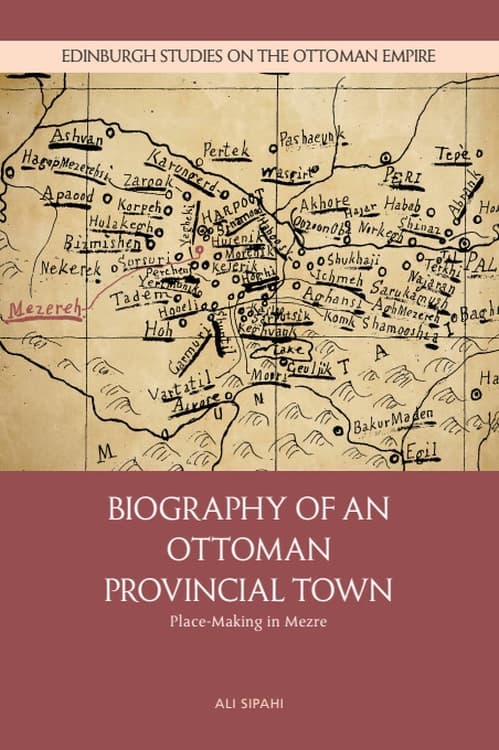
- Biography of an Ottoman Provincial Town, Ebook (EPUB), £85.00
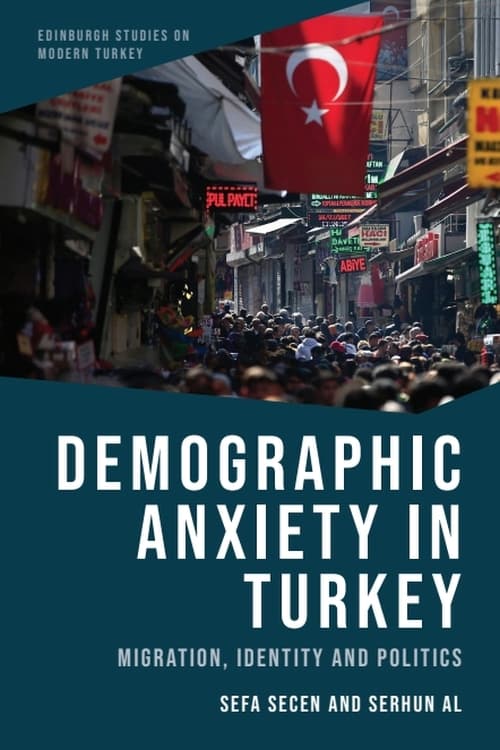
- Demographic Anxiety in Turkey, Ebook (EPUB), £90.00
More in IMES
View allEbook (EPUB)£90.00
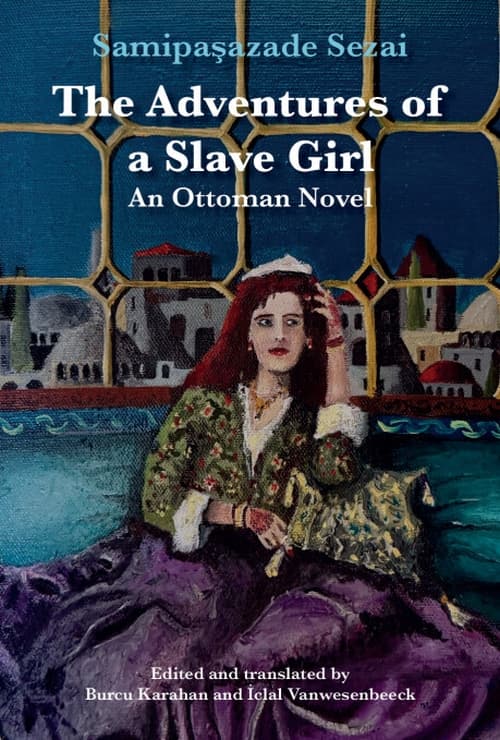
Ebook (EPUB)£14.99
Ebook (EPUB)£100.00

Ebook (EPUB)£95.00