£19.99
Literary StudiesEdinburgh Critical Studies in Victorian Culture
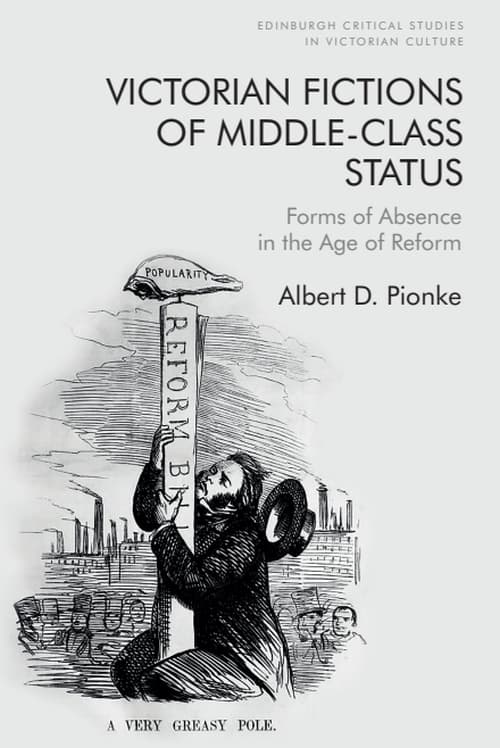
Victorian Fictions of Middle-Class Status
Forms of Absence in the Age of Reform

Our ebooks are read in the Academic Reader app. After you buy, we’ll email you how to open your ebook in it.
Description
Reconstructs the surprising, self-interested, at times paradoxical attempts of Victorian novelists to define the limits of middle-class status
- Adopts an interdisciplinary approach that combines sociological theory, social and political history, and literary history and critique
- Makes a timely contribution to a long tradition of socio-literary study that both stretches back to the nineteenth century itself (i.e., Hippolyte Taine’s History of English Literature [1863]) and engages with contemporary literary and social theory (i.e., Maria Bachman and Albert Pionke’s The Socio-Literary Imaginary in 19th and 20th Century Britain [2020])
- Proposes a new and newly historicized theory of middle-class status grounded in absence that acknowledges the anxiety expressed by members of the Victorian middle classes about their own legitimacy and avoids the over-determined conclusions that sometimes accompany sociological readings of cultural works
- Reconnecting this more nuanced definition of status to the need for recognition from those in a position to be dominated, shows how Victorian novelists built into their texts a defence of their own individual popularity and of the growing popularity of fiction over poetry
- Combines readings, both pithy and expansive, of Victorian novels by both major canonical novelists—Charlotte Brontë, Charles Dickens, George Eliot—and less well-remembered authors, such as William North, Charles Reade, and Charlotte Yonge
Victorian Fictions of Middle-Class Status recovers the novelistic pervasiveness of a Reform-Era rhetorical form, the negative assertion of value, which grounds middle-class claims to social authority in repudiations of such conventional warrants as birth, wealth, numerical preponderance, command of fact and, specifically for women, the symbolic phallus. Bringing together historical, literary and sociological theory, this study recaptures the Victorians’ broad sense of epistemological uncertainty about their rapidly changing society, reconstructs novelists’ specific attempts to legitimate their traditionally low-status genre and offers fresh readings of novels by Charlotte Brontë, Wilkie Collins, Charles Dickens, George Eliot, Elizabeth Gaskell, William North, Anthony Trollope, William Makepeace Thackeray and Charlotte Yonge, among others.
Contents
AcknowledgementsIntroduction: Victorian Middle-Class Status and the Negative Assertion of Value
Chapter One: The Orphan Narratives of a Class Lacking AntecedentsChapter Two: Repudiations of Wealth in Victorian Financial FictionChapter Three: The Violence at the Heart of the Social Problem Novel Chapter Four: Social Domination, Social Scientific Empiricism, and Novelistic Distrust of the Modern Fact Chapter Five: Legitimizing the Subjection of Middle-Class Women in Mid-Victorian Fiction
AfterwordBibliographyIndex
Author
Reviews
Essential reading for Victorianists, this book gives a powerful and illuminating account of the novel’s role in defining the middle class. Set against birth and wealth, force and fact, desire and authority – the middle class, Pionke shows us, was knowable only by way of its others
Pionke’s approach to examining the connective tissue between life and literature ultimately sets this work apart from previous investigations... The study ultimately deserves praise for offering a new set of categorisations that shaped the Victorian middle-class as represented in, and influenced by, nineteenth-century fiction: more work employing this multidisciplinary route will be welcome and insightful.
Pionke’s striking innovation is to propose that mid-Victorian bourgeoisie strove to justify their status in negative terms. His persuasive and thought-provoking work allows readers to connect current-day notions of class and economic privilege to an earlier period of capitalist plutocracy – a period in which questions of privilege and invidious economic comparisons found their expression in very different cultural forms."
Goes well with this book
From the same series or subject.
- Victorian Fictions of Middle-Class Status, Ebook (EPUB), £20.99
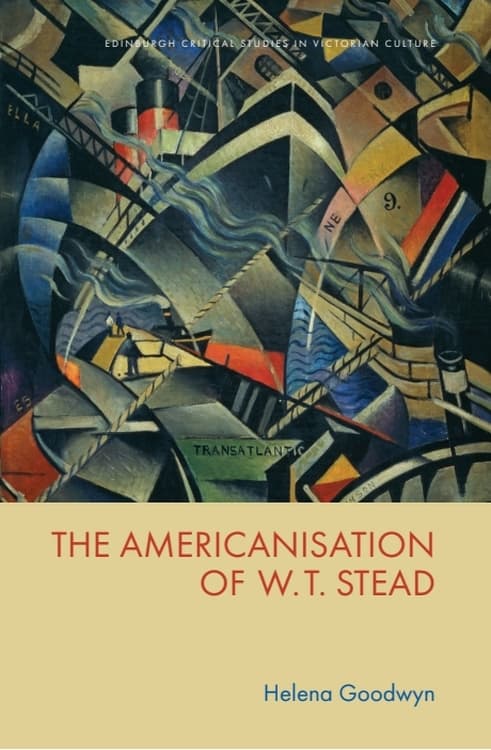
- The Americanisation of W. T. Stead, Ebook (EPUB), £90.00
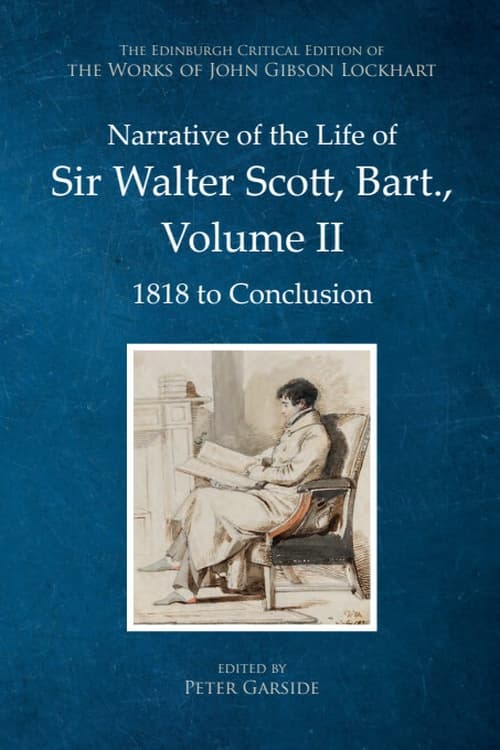
- Narrative of the Life of Sir Walter Scott, Bart., Volume II, Ebook (EPUB), £125.00
From the same series
More in Edinburgh Critical Studies in Victorian Culture
£19.99
Ebook (EPUB)£90.00
Free to read
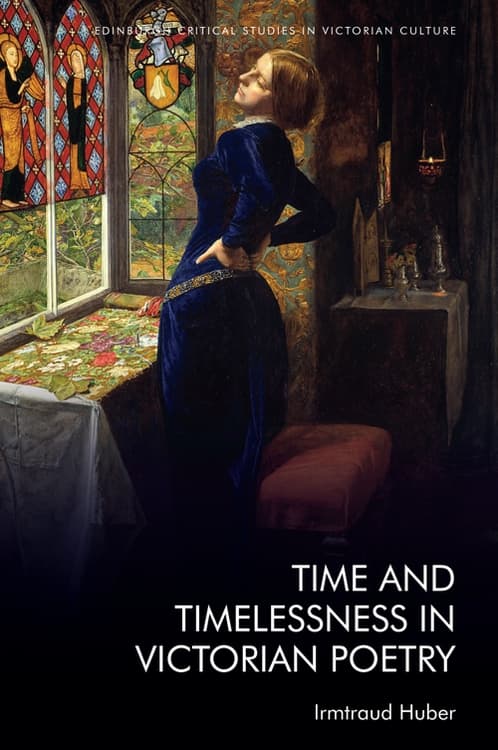
Read Time and Timelessness in Victorian Poetry
Ebook (EPUB)£24.99
Ebook (EPUB)£25.99
Ebook (EPUB)£25.99
Ebook (EPUB)£20.99
Ebook (EPUB)£27.99
Ebook (EPUB)£27.99
Ebook (EPUB)£27.99
Ebook (EPUB)£27.99
More in Literary Studies
View allEbook (EPUB)£125.00
Ebook (EPUB)£110.00
Ebook (EPUB)£90.00
Ebook (EPUB)£90.00
Ebook (EPUB)£90.00