Ebook (EPUB)£125.00
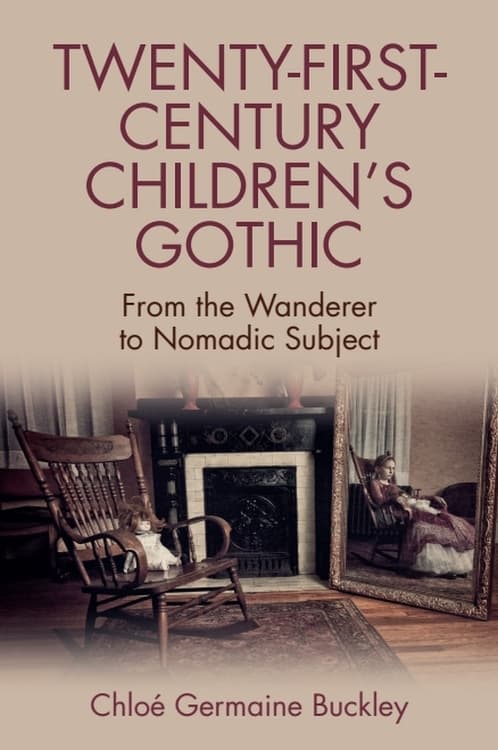
Twenty-First-Century Children’s Gothic
From the Wanderer to Nomadic Subject

Our ebooks are read in the Academic Reader app. After you buy, we’ll email you how to open your ebook in it.
Description
Outlines a new critical paradigm for reading children’s Gothic literature and film
This is the first monograph that brings together the fields of Gothic Studies and children’s fiction to analyse a range of popular and literary works for children published since 2000. It offers a completely new way of reading children’s Gothic that counters the dominant critical positions in both Gothic Studies and children’s literature criticism. This book contends that the Gothic, as it is repurposed in children’s fiction, is a creative force through which to imagine positive self-transformation. It rejects the pedagogical model of children’s literature criticism, which analyses and assess works based on what or how they teach the child, and instead draws on the theories of Deleuze and Guattari, Rosi Braidotti and Benedict Spinoza to develop the theme of ‘nomadic subjectivity’.
The book covers texts from popular culture, novels by much-neglected female writers, as well as more celebrated works: Frances Hardinge’s The Lie Tree, Neil Gaiman’s Coraline, Darren Shan’s Zom-B, Jamila Gavin’s Coram Boy, Paula Morris’s Ruined, Derek Landy’s Skulduggery Pleasant, Anthony Horowitz’s The Power of Five; as well as films such as Frankenweenie and Paranorman. This broad scope allows for clear demonstration of the broad relevance of nomadic subjectivity for children’s literature criticism.
Key Features- Challenges the dominance of psychoanalytical approaches in children’s literature criticism
- Sets out a new agenda for how to analyse children’s fiction
- Covers popular texts and literary works to break down assumptions about literary ‘value’ and worth that circulate in literary criticism
- Combines historical overview of children’s literature and the Gothic with analysis of recent fiction and criticism
Contents
Acknowledgments
Introduction: From Gothic Wanderer to Nomadic Subject
Chapter 1: Un-homing Psychoanalysis through Neil Gaiman’s Coraline
Chapter 2: Fleeing Identification in Darren Shan’s Zom-B
Chapter 3: Exiled Lovers and Gothic Romance in Jamila Gavin’s Coram Boy and Paula Morris’s Ruined
Chapter 4: Relocating the mainstream in Frankenweenie and Paranorman
Chapter 5: The ‘Great Outdoors’ in the Weird fiction of Derek Landy and Anthony Horowitz
Conclusions: Francis Hardinge’s The Lie Tree and beyond
Works Cited
Author
Reviews
This book is full of insights into how children's literature reflects and refracts social tensions and anxieties. It takes us on a tour through some of the dark spaces of the early twenty-first century, and is written with vigour and excitement as well as scholarly accuracy.
Goes well with this book
From the same series or subject.
- Twenty-First-Century Children’s Gothic, Ebook (EPUB), £25.99
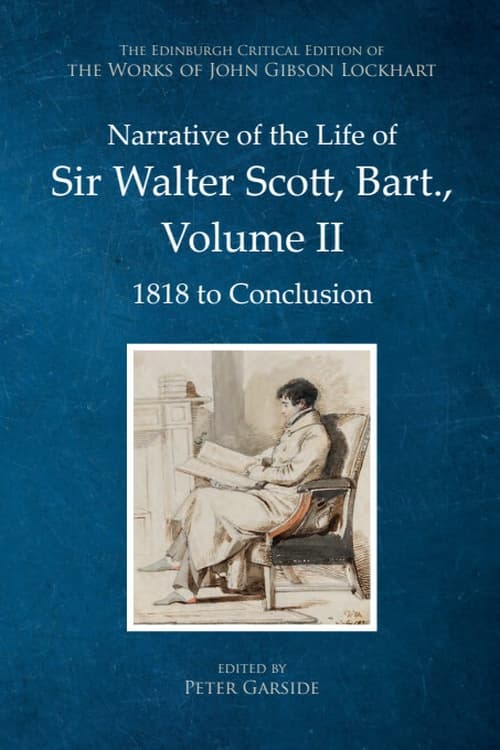
- Narrative of the Life of Sir Walter Scott, Bart., Volume II, Ebook (EPUB), £125.00
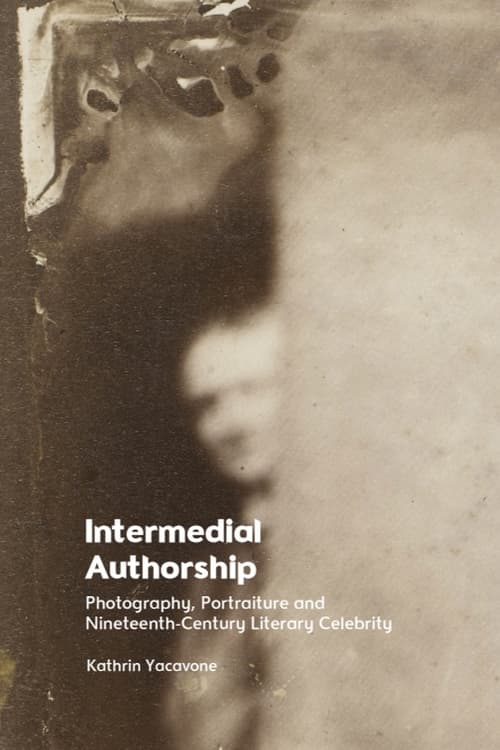
- Intermedial Authorship, Ebook (EPUB), £110.00
More in Literary Studies
View allEbook (EPUB)£110.00
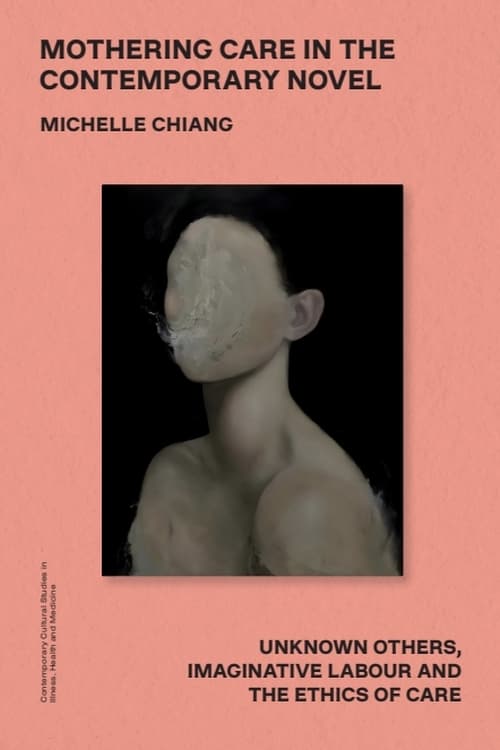
Ebook (EPUB)£90.00
Ebook (EPUB)£90.00
Ebook (EPUB)£90.00