Paperback£24.99
IMESAlternative Histories: Narratives from the Middle East and Mediterranean
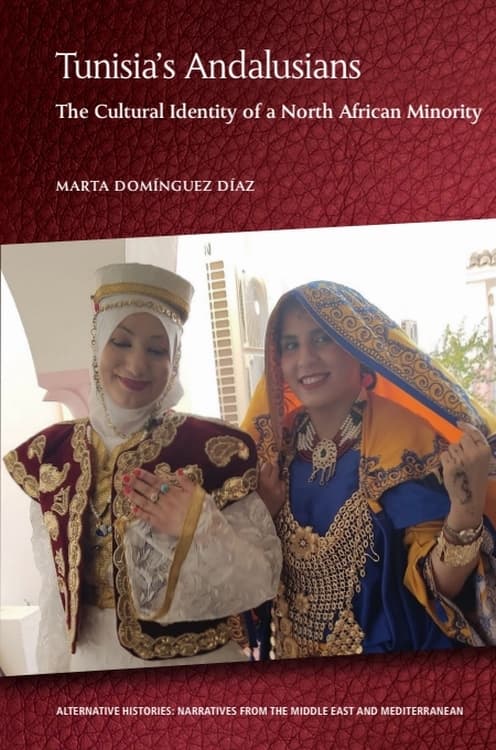
Tunisia's Andalusians
The Cultural Identity of a North African Minority
1
Description
Tunisia’s Andalusians tells the captivating story of those Andalusians, descendants of Muslims expelled from Spain in the seventeenth century, who sought refuge in Tunisia. Rather than simply replicating Iberian traditions, Andalusian culture in Tunisia stands as a vibrant and evolving phenomenon, shaped by complex dynamics of interaction and adaptation over four centuries. The book dismantles the romanticised view of Andalusian culture as a mere transplantation of al-Andalus, analysing distinctive cultural features that distinguish Andalusians as an ethnic group within Tunisia’s diverse social fabric.
Drawing on historical records and contemporary ethnographic data, including personal accounts and family archives, the book sheds light on how Andalusians navigate their unique cultural position amidst a Tunisian national narrative often focused on Arabo-Muslim homogeneity. By examining the complexities of cultural preservation and assimilation, the book offers a nuanced perspective on Andalusian identity, revealing its dynamism and resilience in the face of changing social, political, and economic circumstances.
Contents
List of Illustrations
Acknowledgements
Note on Transliteration
Introduction: Andalusians as a Minority
- Mudéjares, Moriscos and Andalusians: The Historical Making of a Minority (Eighth to Early Seventeenth Centuries)
- Shaykhdoms: Andalusian Identity and Tribal Politics
- Testour: Social Relations in an Andalusian Town
- The Shashiyya and the Demise of Andalusian Material Culture
- Andalusian Traditions: Between Cultural Loss and Revival
- Andalusians and the Past: Doing Ethnicity through Memory
Epilogue: The Changing Nature of Andalusian Identity
Bibliography
Index
Author
Reviews
This book fills an important gap in the study of the contemporary reality of the Morisco-Andalusian community in Tunisia. Through a skilful anthropological approach, the author demonstrates that the memory of the expulsion and its aftermath remains deeply resonant among the descendants of those expelled, more than 415 years after their forced displacement.
Combining both history and anthropology to explore issues of ethnicity and group formation, this book substantially enriches our understanding of those who link their identity to the historical experience of al-Andalus. Part of the Moriscos expelled in the 17th century from Spain settled in Tunis and Marta Domínguez Díaz takes us on a fascinating journey across the communities they formed there, how they interacted with the local population, how they changed and how they talked - and talk – about themselves.
In this book Marta Dominguez consistently reveals the role of the Andalusian communities in Tunisia as well as their transformations and continuities. The concept of identity is discussed in an original study of historical anthropology where material culture, memory and politics construct the very notion of Andalusian between present and past.
Goes well with this book
From the same series or subject.
- Tunisia's Andalusians, Paperback, £24.99
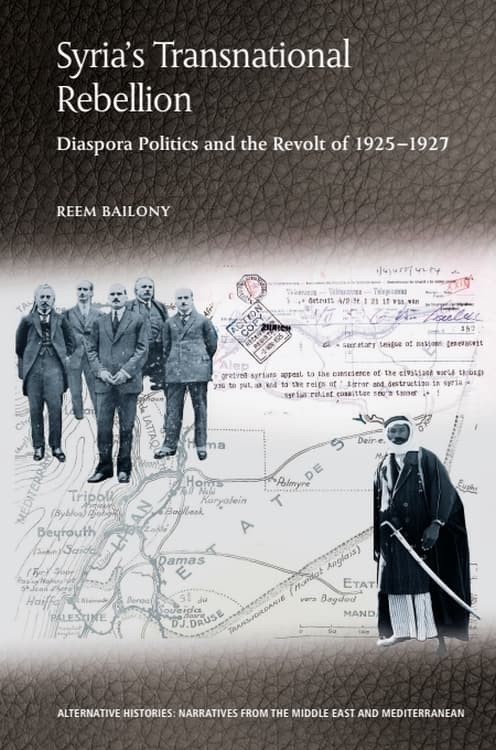
- Syria’s Transnational Rebellion, Paperback, £24.99
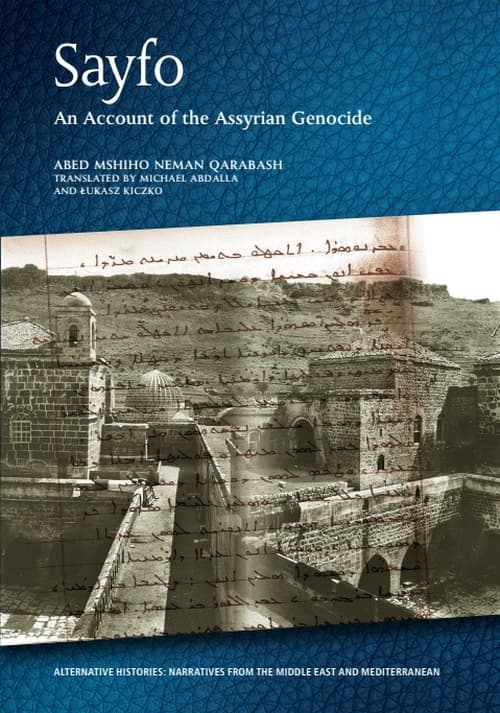
- Sayfo - An Account of the Assyrian Genocide, Ebook (EPUB), £22.99
From the same series
More in Alternative Histories: Narratives from the Middle East and Mediterranean
Ebook (EPUB)£22.99
Ebook (EPUB)£27.99
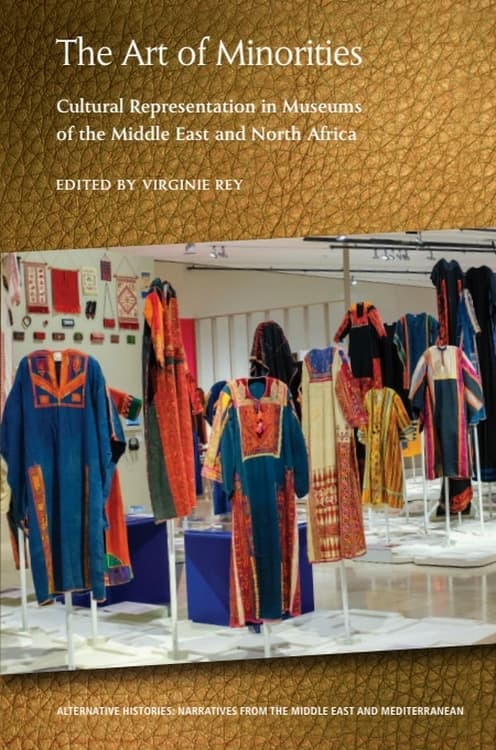
Ebook (EPUB)£27.99
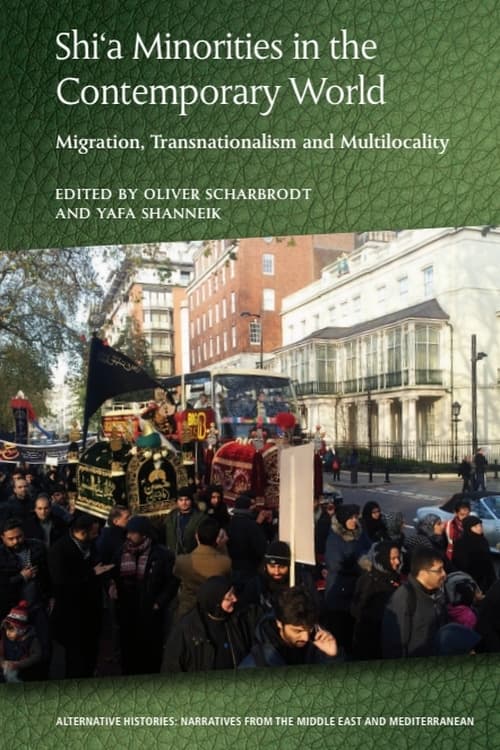
Ebook (EPUB)£27.99
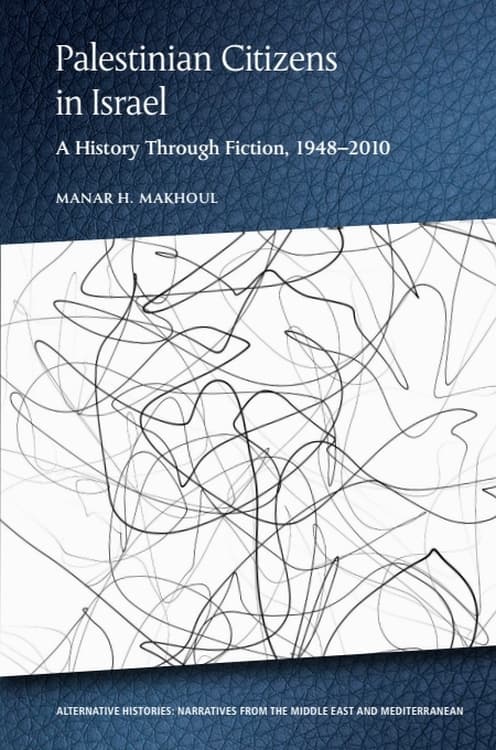
Ebook (EPUB)£22.99
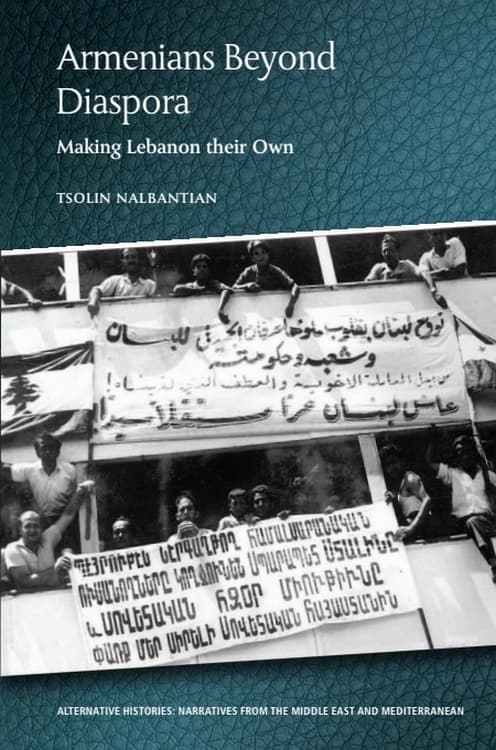
Ebook (EPUB)£22.99
Ebook (EPUB)£29.99
Ebook (EPUB)£95.00
Hardback£115.00
More in IMES
View all
Ebook (EPUB)£85.00
Ebook (EPUB)£90.00
Ebook (EPUB)£14.99
Ebook (EPUB)£100.00

Ebook (EPUB)£95.00