Ebook (EPUB)£125.00
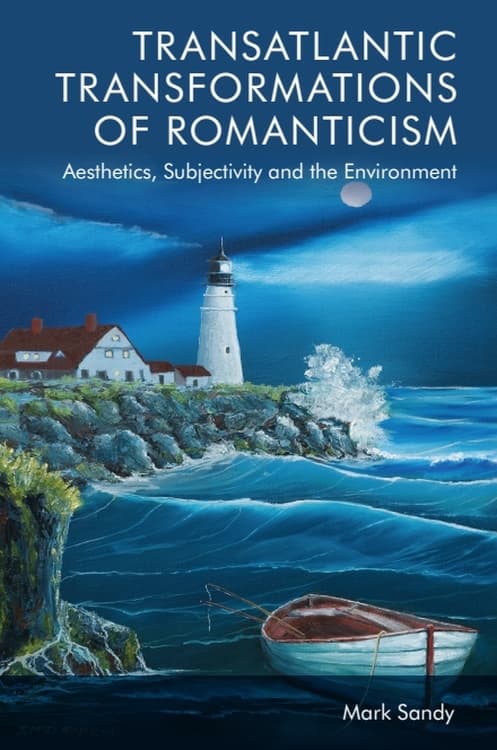
Transatlantic Transformations of Romanticism
Aesthetics, Subjectivity and the Environment

Our ebooks are read in the Academic Reader app. After you buy, we’ll email you how to open your ebook in it.
Description
A critical re-evaluation of the imaginative transformations of Romanticism by major American writers
- The study traverses the traditional critical boundaries of prose and poetry in American and Romantic and Post-Romantic writing
- Reasserts the significance of Second-Generation Romantic writers for American literary culture
- Reassessing the indebtedness of major American writers to British Romanticism
This book provides innovative readings of literary works of British Romanticism and its influence on twentieth- and twenty-first-century American literary culture and thought. It traverses the traditional critical boundaries of prose and poetry in American and Romantic and post-Romantic writing. Analysing significant works by nineteenth-century writers, including Ralph Waldo Emerson, Henry David Thoreau and Emily Dickinson, as well as the later writings of William Faulkner, F. Scott Fitzgerald, Saul Bellow, Toni Morrison and Wallace Stevens, the book reasserts the significance of second-generation Romantic writers for American literary culture. Sandy reassesses our understanding of Romantic inheritance and influence on post-Romantic aesthetics, subjectivity and the natural world in the American imagination.
Contents
AcknowledgementsList of Abbreviations
I. Imagining Nature1. Introduction: Reflections on Transatlantic Exchanges, Subjectivity and Nature2. Romantic Influence and Nature Reconsidered: Ralph Waldo Emerson and Henry David Thoreau
II. Romantic Transactions: Subjects in Nature3. Dissolving Subjectivities: Imagined Selves in F. Scott Fitzgerald and John Keats4. Ghostly Selves, Light and Nature in William Faulkner: Wordsworthian Shadows and Byronic Shades
III. Romantic Transformations: Fictional Selves and Nature5. Fictions of the Self and Nature: Reading Romanticism in Saul Bellow6. Re-Imagined Pastoral Poetics: Narrative Structures and the Environment in Toni Morrison and William WordsworthCoda: Nature without Self: Beauty, Death and Subjectivity in the Poetics of Walt Whitman, Emily Dickinson and Wallace Stevens
BibliographyIndex
Author
Reviews
Like P. B. Shelley, calling upon ‘the phantoms of a thousand hours,’ Mark Sandy conjures the mind and spirit, the sentient presence in nature, animating the literary heritage. Liberating the transactions of Romanticism from timebound chronologies, Sandy illuminates brilliantly the literary engagement with dynamic nature in a wide diversity of American authors of the last century.
Mark Sandy has written a ghost story. This is a book in which the influence of British Romanticism on American literature is described in terms of haunting, echo and poetic resonance. Sandy argues that American writers performed a failed and somewhat half-hearted, exorcism. He suggests that they used their Romantic inheritance to fashion an aesthetic of self and nature that appeared to be—and wanted to be—more independent and existentially charged than that of their British forbears… The result, Sandy argues, was something of a double haunting: a confrontation with the spectre of British Romantic writing that manifested as a ghostly self-reflexive feeling of alienation.
There is much to admire in Sandy’s contribution to expanding the reach and relevance of romanticism.
Goes well with this book
From the same series or subject.
- Transatlantic Transformations of Romanticism, Ebook (EPUB), £22.99
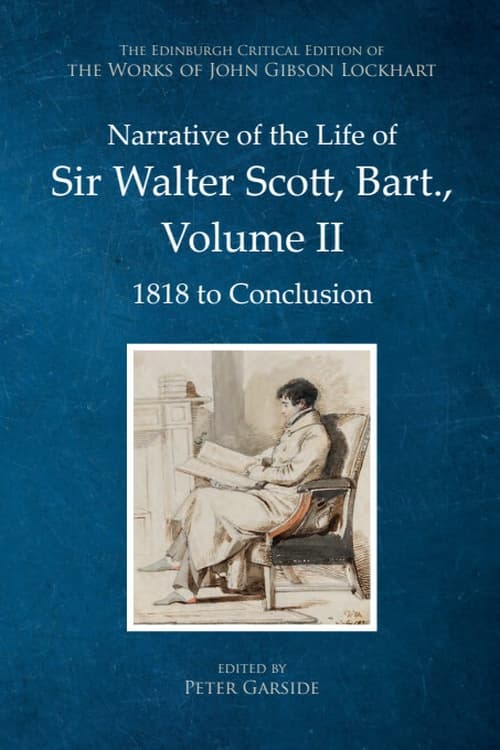
- Narrative of the Life of Sir Walter Scott, Bart., Volume II, Ebook (EPUB), £125.00
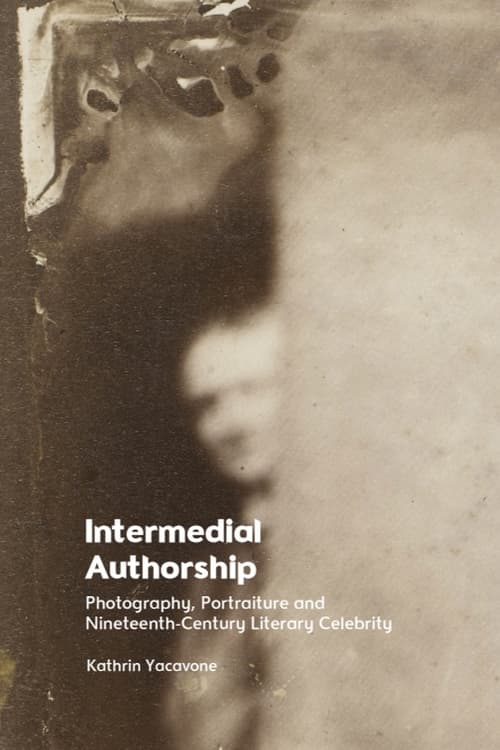
- Intermedial Authorship, Ebook (EPUB), £110.00
More in Literary Studies
View allEbook (EPUB)£110.00
Ebook (EPUB)£90.00
Ebook (EPUB)£90.00
Ebook (EPUB)£90.00