Paperback£19.99
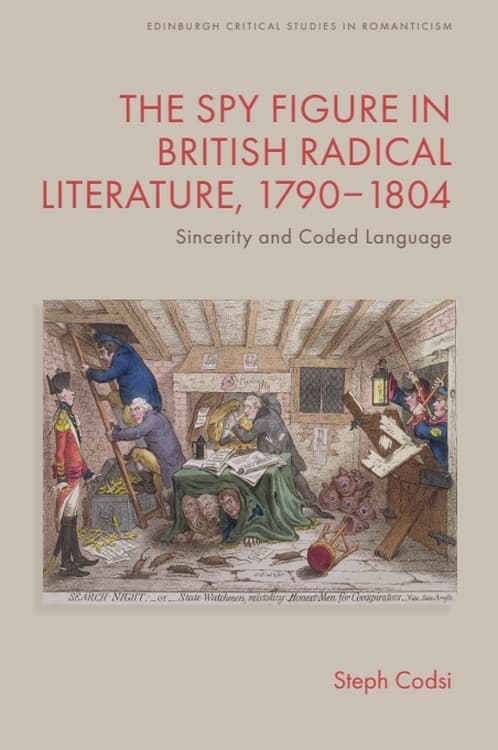
Literary StudiesEdinburgh Critical Studies in Romanticism
The Spy Figure in British Radical Literature, 1790–1804
Sincerity and Coded Language

Our ebooks are read in the Academic Reader app. After you buy, we’ll email you how to open your ebook in it.
Description
The book argues that literary authors who had initially supported the ideals of the French Revolution, became more coded and elliptical in their writing as a response to surveillance and repression in Britain in the 1790s. It shows that authors appropriated the tools of invisible state surveillance by using coded modes and methods, including pseudonymity, elision, satire, irony, innuendo, allegory and self-censorship, amongst others. These strategies were often used performatively to mock the spy figure and interrogate the encroaching culture of secrecy, silencing and suspicion; but also, as a precautionary measure to protect writers from laws against sedition and treason. Applying surveillance theory, the book provides accessible and illuminating readings of literary works by William Godwin, John Thelwall, Mary Robinson, Robert Bage, and William Blake.
Contents
List of Figures
Acknowledgements
Introduction
1. ‘Truth is a libel’: The Revolution Controversy: Sincerity and Coded Language
2. ‘Every key-hole is an informer’: John Thelwall’s Lecture on Spies and Informers (1794), and his Comic Ballads
3. Spies, Sincerity and Narrative Power in William Godwin’s Caleb Williams (1794)
4. ‘Hush, walls have ears’: French Spies and Performed Sincerity in Robert Bage’s Hermsprong (1796)
5. Mary Robinson’s Radical Satire: Mimicry, Pseudonyms and The Sylphid’s ‘invisible spy’ (1799–1800)
6. William Blake: The Spy on the Medway, ‘Satan’s watch-fiends’ and ‘the voice of honest indignation’ (1790–1804)
Conclusion
Bibliography
Index
Author
Goes well with this book
From the same series or subject.
- The Spy Figure in British Radical Literature, 1790–1804, Ebook (EPUB), £90.00
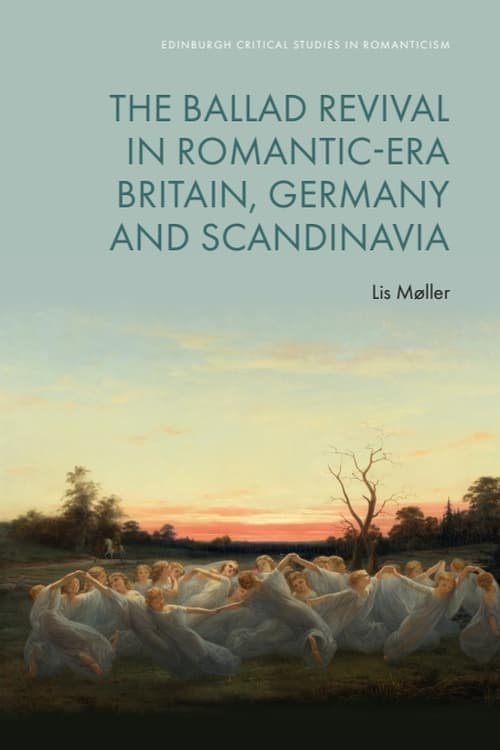
- The Ballad Revival in Romantic-era Britain, Germany and Scandinavia, Paperback, £19.99
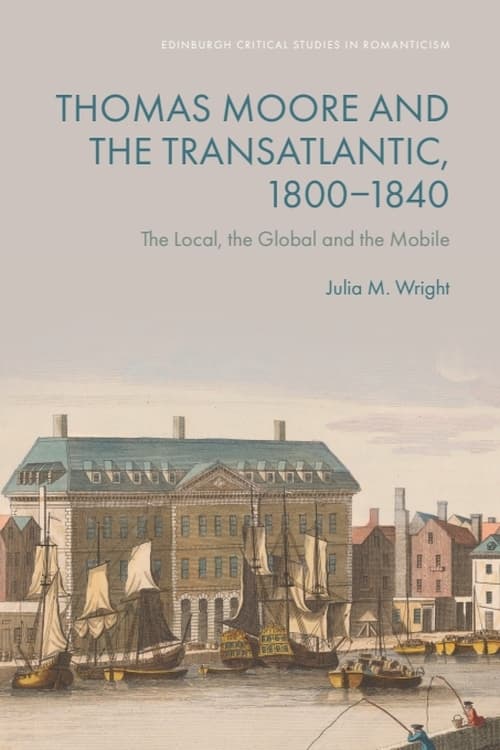
- Thomas Moore and the Transatlantic, 1800–1840, Ebook (EPUB), £19.99
From the same series
More in Edinburgh Critical Studies in Romanticism
Ebook (EPUB)£19.99

Ebook (EPUB)£19.99
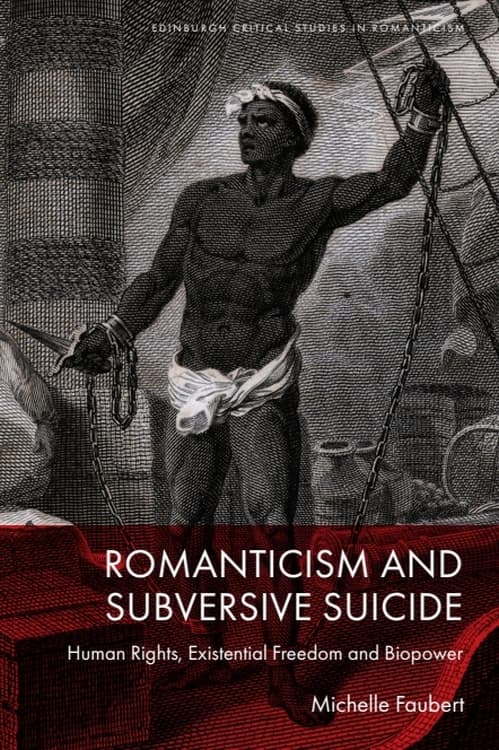
Ebook (EPUB)£24.99
Ebook (EPUB)£19.99

Ebook (EPUB)£19.99
Ebook (EPUB)£24.99
Ebook (EPUB)£19.99
Ebook (EPUB)£19.99
Ebook (EPUB)£25.99
Ebook (EPUB)£25.99
More in Literary Studies
View all
Ebook (EPUB)£125.00
Ebook (EPUB)£110.00
Ebook (EPUB)£90.00
Ebook (EPUB)£90.00
Ebook (EPUB)£90.00