Ebook (EPUB)£85.00
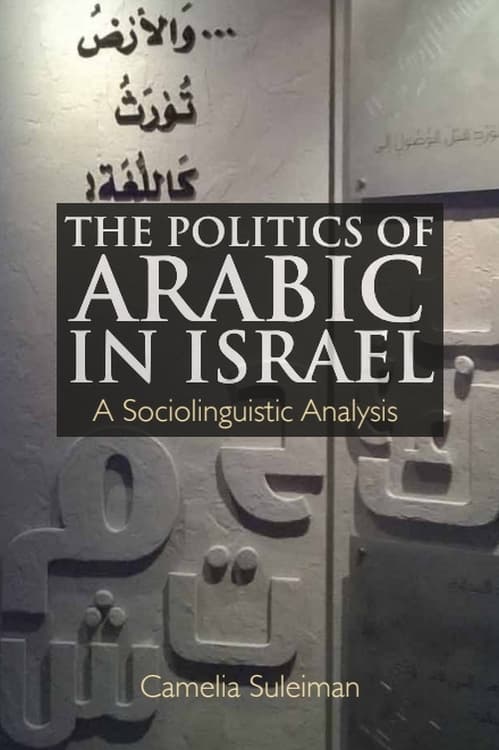
The Politics of Arabic in Israel
A Sociolinguistic Analysis

Our ebooks are read in the Academic Reader app. After you buy, we’ll email you how to open your ebook in it.
Description
Explores the contradictory position of Arabic being both the official language and marginalized in Israel
Arabic became a minority language overnight in Israel in 1948, as a result of the Palestinian exodus from their land that year. Although it remains an official language, along with Hebrew, Israel has made continued attempts to marginalize Arabic on the one hand and securitize it on the other. Camelia Suleiman delves into these tensions and contradictions, exploring how language policy and language choice both reflect and challenge political identities of Arabs and Israelis. She explores the historic context of Arabic in Israel, the attempts at minoritising, Orientalising and securitising the language, the Linguistic Landscape (LL) of Arabic in Israel, the effect of globalization, modernization and citizenship status on the status of Arabic, Hebrew as a language choice of (semi) autobiographic production of three Israeli authors who are native speakers of Arabic, and lastly, a comparison with the status of Arabic in both Jordan and Palestine (West Bank and Gaza Strip) where Arabic is the official language.
Key Features- Combines a variety of qualitative methods not commonly used together into the study of Arabic in Israel including ethnography, interviews with journalists and students, media discussion of the language situation of Israel, and analysis of the production of knowledge on Arabic in Israeli academia
- Provides a comparative analysis of the language situation in Israel with that in Jordan and Palestine
- Employs studies in post-colonial theory, theory of linguistic anthropology, and sociolinguistic concepts of ‘indexicality’ and ‘linguistic landscape’
Contents
List of Figures Acknowledgements Introduction 1. Historic Background 2. Orientalisation, Securitisation and Minoritisation of Arabic 3. The (in)Visibility of Arabic: The Linguistic Landscape 4. Modernisation, Globalisation and Citizenship 5. Autobiography and Language Choice 6. Arabic in Jordan and Palestine Conclusion Bibliography Index
Author
Reviews
Goes beyond a detailed analysis of the language issues, and provides a sensitive portrayal of a significant region of the Middle East, making clear the difficult and dangerous struggle between Israelis and Palestinians that underlies the language developments.'
The Politics of Arabic in Israel: A Sociolinguistic Analysis is a highly accessible yet incredibly comprehensive title, and provides a wide-ranging, astute analysis of the institutional, scholarly, and symbolic life of Arabic in Israel.
Away from simplistic binaries and shallow dichotomies, this book provides an authentic view on a forgotten group, the Palestinians in Israel, that cannot be found elsewhere. By analyzing the Arabic spoken by the Palestinians in Israel, Professor Camelia Suleiman succeeded in providing us a rare glimpse into the existential world of a community that navigates between Israeli settler colonialism, Palestinian nationalism and the human desire for normality and life. A must read for anyone interested in the question of Israel/Palestine as well language and identity.
Goes well with this book
From the same series or subject.
- The Politics of Arabic in Israel, Ebook (EPUB), £25.99
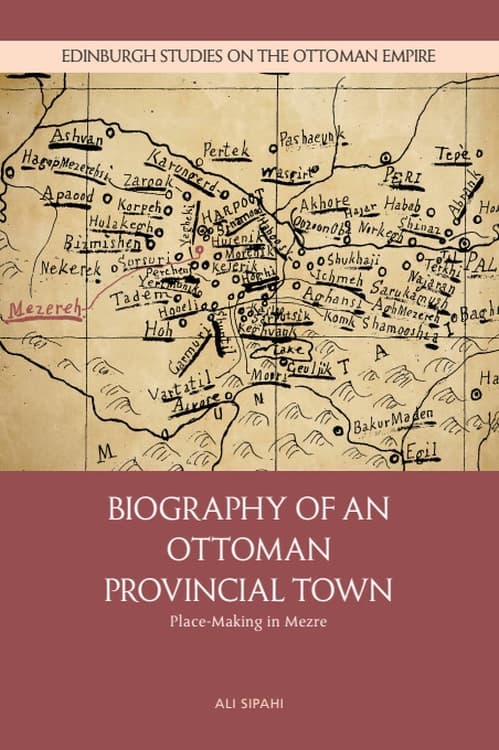
- Biography of an Ottoman Provincial Town, Ebook (EPUB), £85.00
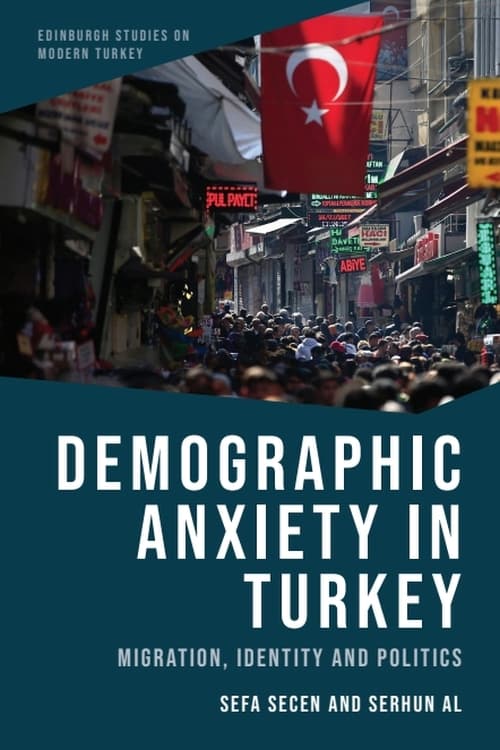
- Demographic Anxiety in Turkey, Ebook (EPUB), £90.00
More in IMES
View allEbook (EPUB)£90.00
Ebook (EPUB)£14.99
Ebook (EPUB)£100.00
Ebook (EPUB)£95.00