Ebook (EPUB)£90.00
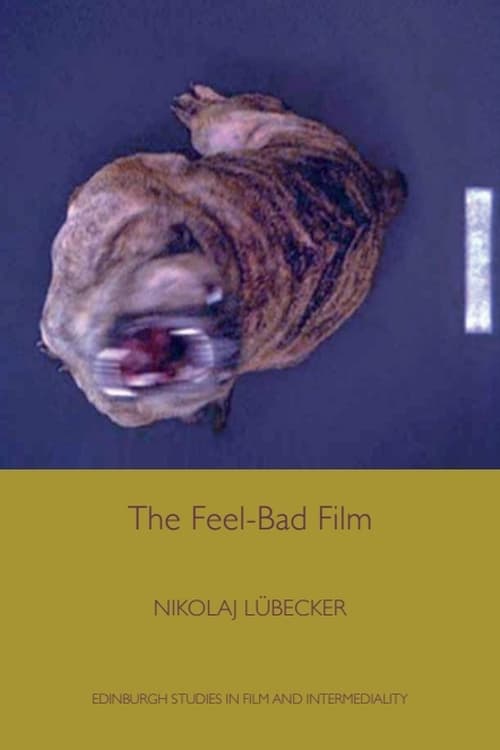
Film StudiesEdinburgh Studies in Film and Intermediality
The Feel-Bad Film

Our ebooks are read in the Academic Reader app. After you buy, we’ll email you how to open your ebook in it.
Description
Nikolaj Lübecker discussed The Feel-Bad Film on the Unpleasant Movies podcast. Listen here.
An analysis of what contemporary directors seek to attain by putting their spectators in a position of strong discomfort
In recent years some of the best-known European and American art film directors have made films that place the spectator in a position of intense discomfort: Feel-Bad Films. These films systematically manipulate the spectator: sometimes by withholding information from her, sometimes by shocking her, and sometimes by seducing her in order to further disturb her. As a result, they have been criticized for being amoral, nihilistic, politically irresponsible and anti-humanistic.
The Feel-Bad Film raises three questions to this body of work: How is the feel-bad experience created? What do the directors believe they can achieve in this manner? And how should the films be situated in intellectual history? Through close analysis of films by Lars von Trier, Gus Van Sant, Claire Denis, Michael Haneke, Lucille Hadzihalilovic, Brian de Palma, Bruno Dumont and Harmony Korine, the book argues that feel-bad directors invite the spectator to think of art as an experimental activity with ethical norms that are different from the ones we hope to find outside the movie theatre. Only when given the freedom to take advantage of this asymmetry can film realize its ethical potential.
Key features:
- Detailed analyses of the work of some of the best-known contemporary art film directors
- A stimulating contribution to current debates about the ethics and politics of cinematic spectatorship
- The conceptualization of a cinematic genre that will allow us to reconsider debates about the social potential of film
- Lars von Trier: Dogville (Denmark)
- Brian de Palma: Redacted (US)
- Gus Van Sant: Elephant (US)
- Lucille Hadzihalilovic: Innocence (France)
- Stan Brakhage: Kindering (US)
- Ruben Östlund: Play (Sweden)
- Bruno Dumont: Twentynine Palms (France)
- Harmony Korine: Trash Humpers (US)
Case studies include:
Contents
List of illustrationsAcknowledgementsIntroduction
Part 1: Assault1.1 The Inner Bastard: von Trier’s Dogville1.2 Ethics via the Body: Funny Games, Daisy Diamond and Jacques Rancière1.3 Going too far? de Palma’s Redacted
Part 2: Unease2.1 Buying a bunch of radishes: Van Sant’s Elephant2.2 An Ethics of Suspension: I Can’t Sleep, Hidden and Judith Butler2.3 Embracing Childhood: Hadzihalilovic’ Innocence and Brakhage’s Kindering; Coda: Östlund’s Play, Between Assault and Unease
Part 3: Transgression, TransgressionIntroduction: Third Generation Avant-Garde?3.1 The Avant-Garde as Tragedy: Dumont’s Twentynine Palms3.2 Desperation Films: Code Blue, In My Skin and The Bastards3.3 The Avant-Garde as Farce: Korine’s Trash Humpers
ConclusionBibliographyFilmographyIndex
Author
Reviews
Lubecker’s book is one of the most interesting studies of films that provoke feelings of discomfort; the clear, apodictic and jargon-free writing style makes it a pleasure to read while his close readings of the films demonstrate a passion for the objects. The films are not mere illustrators of theory, but dynamic objects, whose ambiguity and provocations force us to theorise.'
If you are a programmer who did not show Rick Alverson’s recent film Entertainment or Tim Sutton’s new Dark Night because you were afraid you would not be able to defend the film to an angry board member, then this book is for you. The book clearly and cogently makes the case why films that challenge our ethical and moral frameworks contribute to a richer culture. I would go so far to also recommend that the book should be sold at festivals, right next to the festival T-shirt, coffee cup and beer cozy.'
'The Feel-Bad Film is a compelling book that expertly argues for the importance of an oft-maligned corpus of films, deftly interweaving film-historical, film-theoretical and philosophical thought into a highly nuanced argument.'
Nikolaj Lubecker offers an astonishing engagement with contemporary trends in European and avant-garde cinema. He cuts through recent discussions of new French extremism to offer a scintillating, urgent, and original take on the subject.
Insightful and thought-provoking...The Feel-Bad Film offers a compelling examination of these often disparaged and overlooked films.'
Lübecker’s work throughout is illuminating, convincing, and contributes to making The Feel-Bad Film a valuable text, one that helps us to unlock and unpack the complexities of extreme cinema. On, and indeed after, reading, I have been speculating to what extent the analysis he proffers can be extended toward other genres, outside the specifically filmic. It is, then, tempting to suggest that Lübecker’s book can be read as establishing a framework that can be extended to consider the "feel-bad experience" more broadly…Lübecker’s work provides us with a framework to start thinking through artistic alternatives to the "enthusiasm" and "activity" that consumer culture demands and to describe subjective artistic experiences that don’t fit quite so neatly into the capitalist mainstream. The feel-bad experience as articulated here could indeed be a step toward a productive way of articulating radical, if quiet, resistance.'
From tragic melodramas to spine-chilling horror, cinema is ripe with kinds of experiences that, under normal circumstances, are undesirable in our perception of reality…Nikolaj Lübecker’s The Feel-Bad Film can be seen as a unique intervention to this broader body of work…concerned with how film-makers subvert expectations of spectators, but remain ethically virtuous so as to encourage and invoke a critical response.'
Lubecker’s book is one of the most interesting studies of films that provoke feelings of discomfort; the clear, apodictic and jargon-free writing style makes it a pleasure to read while his close readings of the films demonstrate a passion for the objects. The films are not mere illustrators of theory, but dynamic objects, whose ambiguity and provocations force us to theorise.'
Nikolaj Lubecker clearly and insightfully analyses many of the most controversial films of recent years by cinematic heavyweights like Michael Haneke, Lars von Trier, Claire Denis and Gus Van Sant. In doing so, he invites his readers to reconsider movies in general: maybe sometimes it’s not so bad for a movie to make us feel bad. As we root around for hope at a time when it seems thin on the ground, Lubecker paradoxically conjures hope where there seemed to be none. A unique and ground-breaking work.'
Goes well with this book
From the same series or subject.
- The Feel-Bad Film, Ebook (EPUB), £28.99
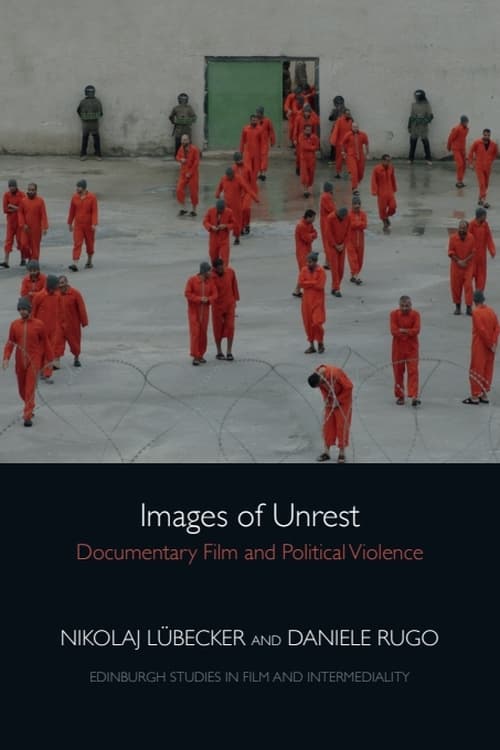
- Images of Unrest, Ebook (EPUB), £90.00
- Screens and Illusionism, Ebook (EPUB), £24.99
From the same series
More in Edinburgh Studies in Film and Intermediality
Ebook (EPUB)£24.99
Ebook (EPUB)£19.99

Ebook (EPUB)£25.99
Ebook (EPUB)£20.99
Free to read
Read Animating Truth
Ebook (EPUB)£22.99
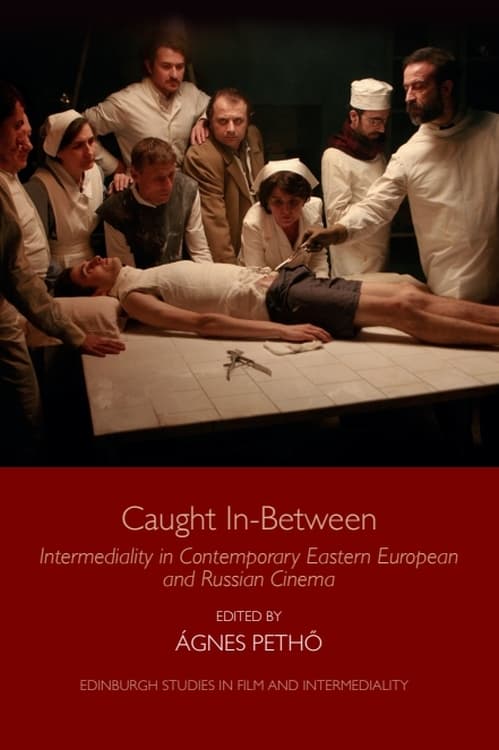
Ebook (EPUB)£22.99

Ebook (EPUB)£23.99
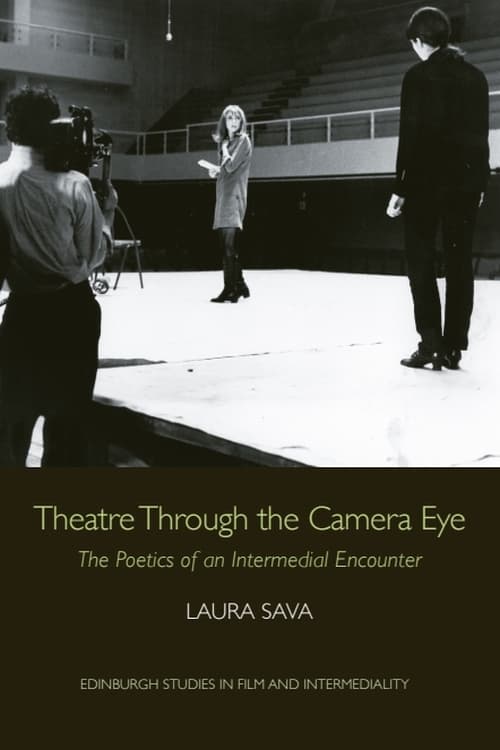
Ebook (EPUB)£23.99
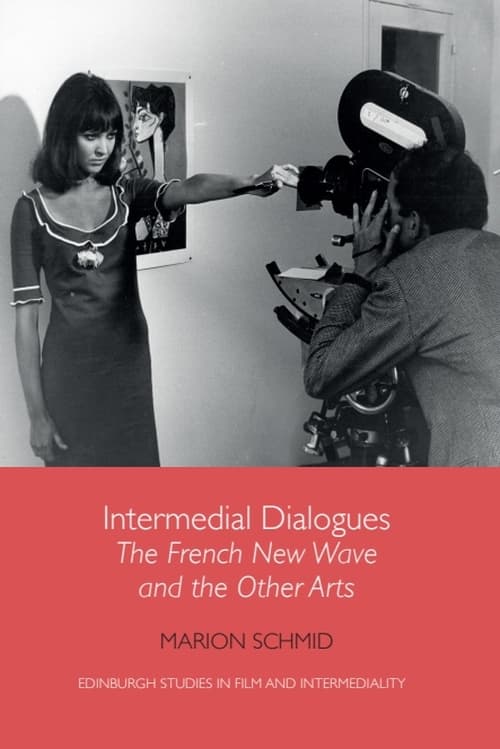
More in Film Studies
View all
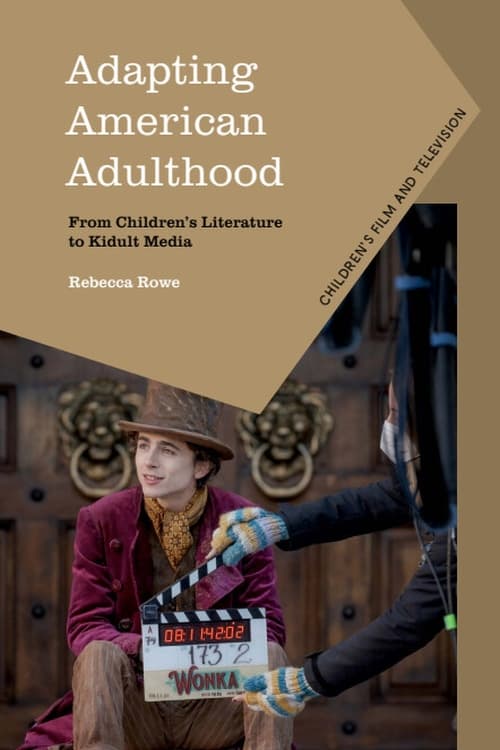
Ebook (EPUB)£90.00
Ebook (PDF)£19.99

Ebook (EPUB)£95.00
£24.99