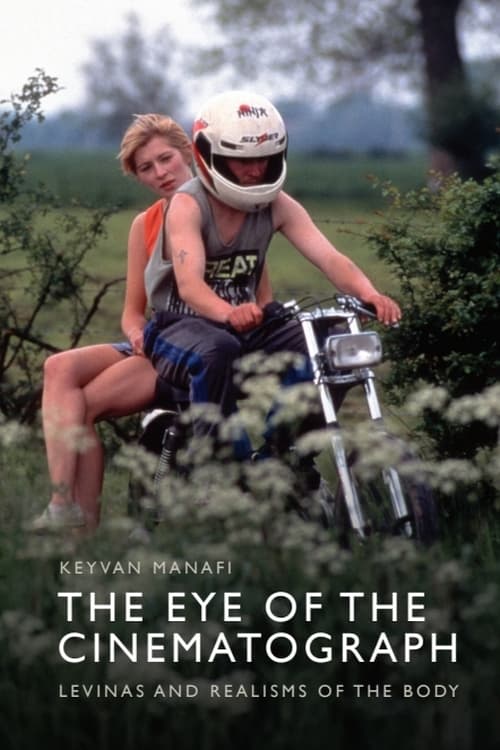
The Eye of the Cinematograph
Lévinas and Realisms of the Body

Our ebooks are read in the Academic Reader app. After you buy, we’ll email you how to open your ebook in it.
Description
- Presents an interdisciplinary approach that brings together film studies, philosophies of ethics, cultural studies and critical theory to contribute to the fields of film-philosophy and cinematic thinking
- Expands the existing enquiries into the consequences of Emmanuel Levinas’ philosophy for aesthetics and draws out a new encounter between his ethical thought and film
- Makes a case for the hospitality of the cinematic image by investigating its unique visual being as a gift and proposes an affirmative account of the ethics of the cinematograph through discussions of cinematic realism
The Eye of the Cinematograph investigates the ethical and aesthetic implications of the automatic formation of the body’s image by the camera. Drawing on Emmanuel Levinas’ thought, Manafi asks what happens when the other makes their body available to the gaze of the camera to be automatically recorded, and this giving of the body is preserved within the image, juxtaposed with other images to allude to a story that might otherwise remain untold.
To locate the ethical at this intersection of the body and the aesthetic, this book articulates an ethical account of a diverse range of film theories to demonstrate alternative encounters with the other that realisms of the body offer. Manafi discusses works by Chantal Akerman, Bruno Dumont, Pedro Costa, Gus Van Sant, Sohrab Shahid Saless, Abbas Kiarostami, Amir Naderi, Jafar Panahi, Carlos Reygadas and Andy Warhol to make a case for the ethics and aesthetics of incompleteness and performative failure.
Contents
Figures
Acknowledgements
The Ethical and the Image
The Image and the Body
The Body and the Camera
Literal Durations and Cinematic Parallelism
The Inhuman Eye and the Formless Body
Re-enactment, Proxies and the Facing Image
The Withdrawal of the Body
The Offscreen and the Promise of the Image
Coda
Bibliography
Index
Author
Reviews
Manafi’s monograph is a commendable example of a graduate dissertation manifesting into a monograph [...] Through Manafi’s attempts to render Levinas’ ethics through the lens of cinema (a bold gesture against the grain of the philosopher’s own general dissociation from the arts), he helps to showcase new encounters with the cinematic image, in an effort to bring further understanding to the often ineffable cinematic image that keeps us returning with renewed inquiry and openness.
Manafi’s monograph is a commendable example of a graduate dissertation manifesting into a monograph. [...] Through Manafi’s attempts to render Levinas’ ethics through the lens of cinema (a bold gesture against the grain of the philosopher’s own general dissociation from the arts), he helps to showcase new encounters with the cinematic image, in an effort to bring further understanding to the often ineffable cinematic image that keeps us returning with renewed inquiry and openness.
The Eye of the Cinematograph demonstrates beautifully what Levinas can bring to film-philosophy – a cinematic ethics evoking the alterity of the Other. Bringing Levinas and Bazin together, Manafi explores the ethical potential of spectatorship, the realisms of the body, and the ethical epiphany possible through film. An eloquent, impressive work.
Proposing a novel marriage between Bazinian realism and Levinasian philosophy, Keyvan Manafi’s The Eye of the Cinematograph compellingly asks us to look closely at the filmed body in all its promises and indeterminacies. This is an elegantly written book that sheds new light on the confluences between film ethics, nonprofessional acting and durational cinema.
Goes well with this book
From the same series or subject.
- The Eye of the Cinematograph, Ebook (EPUB), £20.99
- Adapting American Adulthood, Ebook (EPUB), £90.00
- Isabelle Adjani, Ebook (PDF), £19.99

More in Film Studies
View all
Ebook (EPUB)£90.00
Ebook (PDF)£19.99

Ebook (EPUB)£95.00
£24.99