£24.99
Description
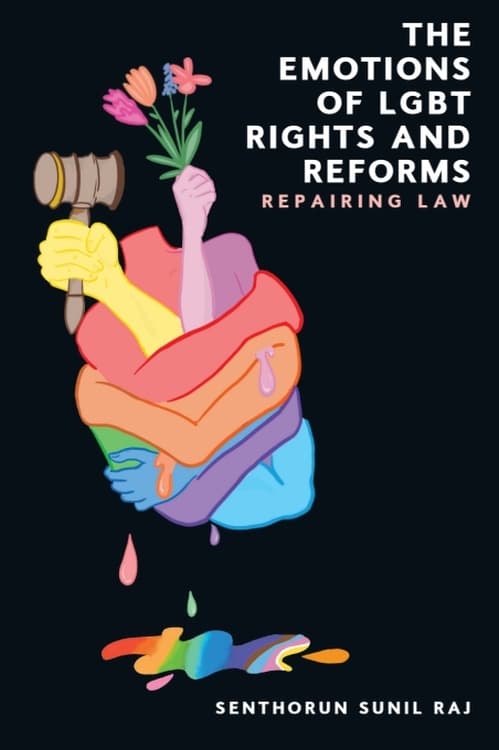
Emotions are central to the pursuit, organisation, and contestation of LGBT rights in law. The Emotions of LGBT Rights and Reforms: Repairing Law analyses emotions that shape conflicts of rights that emerge between different minoritised groups across law reforms directed at better supporting LGBT people.
This book examines law reform debates about religious exceptions to anti-discrimination laws, legal recognition of trans people, bans on “conversion therapy,” and sex and LGBT education in schools from jurisdictions like the United Kingdom, Australia, and the United States. Drawing from socio-legal theories, this book develops the concept of “emotional grammar” to show how emotions structure law reform pursuits (by threading Hansard, legislation, case law, law reform consultations, statutory guidance) and explains why addressing this emotional grammar is important for scholars, lawyers, judges, legislators, and activists seeking to navigate conflicts over LGBT rights and reforms that aim to repair the inequalities faced by LGBT people.
Contents
Acknowledgments
1. Reparative Conflicts: Desiring Rights and Feeling Reforms
2. Reckoning Resentments: Sexuality, Religion, and Conflicts in Equality Laws
3. Addressing Anxieties: Debates of Legal (Trans) Gender Recognition
4. Sensing Shame, Healing Pain: Tensions in Banning LGBT Conversion Practices
5. Confronting Concerns: Contests over Sex and LGBT Education in Schools
6. Affecting Repair: Futures and Forms of LGBT Rights
Bibliography
Index
Author
Reviews
Conflicts over the recognition of LGBT rights feel intractable. Raj offers a desperately needed way forward. By scouring the emotions that drive these polarising conflicts and shape the legal reforms that emerge, he finds potential solidarities and reparative possibilities while staying attentive to law’s failures in repairing systemic harms.
One marker of the generosity of Raj’s work is the abundance of theoretical and writerly resources that it makes available to readers, often assembled in unlikely combination. This is one of the ways in which The Emotions of LGBT Rights and Reforms: Repairing Law showcases a strategy of flourishing.
Raj in his marvellous new book… return[s] to the politics of pleasure and freedom, to replace individual harm with community support, to look inwards as well as outwards, to not simply construct queer identities in relation to a heterosexual norm.
Emotions are not what we typically associate with the law, an apparatus cast as ‘objective,’ ‘rational,’ and ‘factual’ rather than emotional. Yet, in The Emotions of LGBT Rights and Reforms: Repairing Law, Senthorun Raj shows why it is precisely through emotion that law is enlivened.
Raj shows us the discursive power of legal judgment and also imagines an otherwise of what legal judgment might look like.
Senthorun Sunil Raj, in The Emotions of LGBT Rights and Reforms: Repairing Law, gives language to what we know in our bodies and powerfully models embodied writing and analysis, by centering the personal as political (individual, scholar and activist) and leans deeply into a reparative scholarly approach.