Ebook (EPUB)£125.00
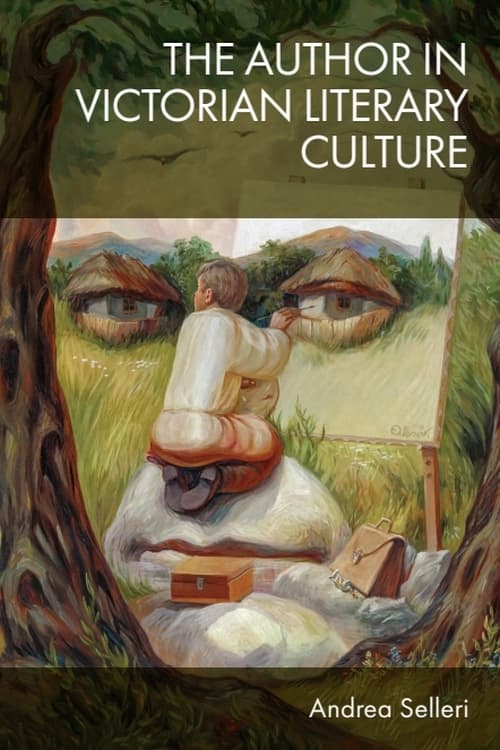
Description
This book traces the history of the idea of the author between the two key critical moments of Romantic expressivism and Modernist formalism. The former dominated anglophone criticism up to the 1830s, and placed authorial expression at the very centre of criticism; the latter became the standard after the First World War, and regarded the author as an undesirable distraction. The book shows that the shift was prepared in Victorian literary culture. Combining analyses of Victorian critical theories and practices with case studies centred on the critical reception of canonical writers such as A.C. Swinburne and Oscar Wilde, the book explores why and how ‘impersonality’ became the dominant aesthetic ideal in anglophone criticism.
Contents
Dedication
Acknowledgments
General Introduction: The Mind in the Work
Part I Victorian Authorialism
1. The Genesis of Victorian Authorialism
2. Authorialism in Theory
3. Authorialism in Practice
Part II Aestheticist Proto-Formalism
4. Swinburne, His Critics, and the Idea of the Dramatic
5. Wilde and the Rhetoric of Self-Revelation
Conclusion: Aestheticism to Formalism
Author
Reviews
For nineteenth-century writers, the ‘author’ was certainly not dead, but very much a going concern. Through illuminating readings of canonical and non-canonical texts, The Author in Victorian Literary Culture offers important new perspectives on the period and its critical debates.
Learned and probing, Selleri’s remarkable book rescues the author from the fate of both theoretical abstraction and historicist elimination, mapping Victorian authorialism (and its antagonists) with unprecedented depth and brio.
Goes well with this book
From the same series or subject.
- The Author in Victorian Literary Culture, Hardback, £95.00
- Narrative of the Life of Sir Walter Scott, Bart., Volume II, Ebook (EPUB), £125.00
- Intermedial Authorship, Ebook (EPUB), £110.00
More in Literary Studies
View allEbook (EPUB)£110.00
Ebook (EPUB)£90.00
Ebook (EPUB)£90.00
Ebook (EPUB)£90.00