Ebook (EPUB)£85.00
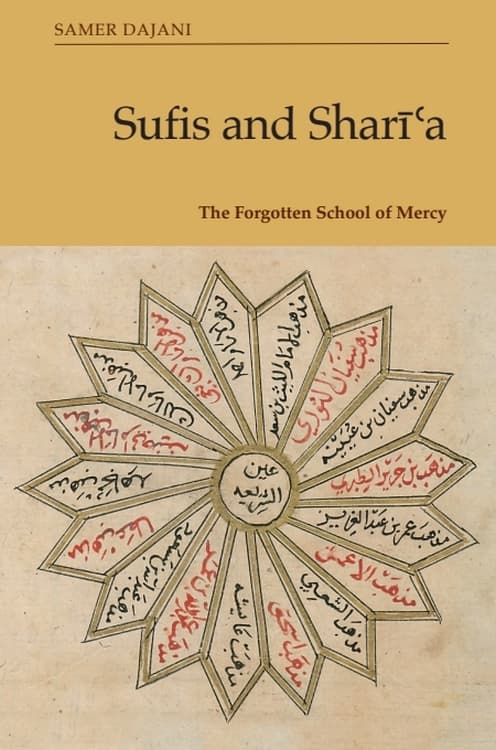
Sufis and Sharīʿa
The Forgotten School of Mercy

Our ebooks are read in the Academic Reader app. After you buy, we’ll email you how to open your ebook in it.
Description
Establishes the existence of an important school of Sufi thought developed by Ibn ʿArabī
- Gives the first detailed analysis of the legal thought of Ibn ʿArabī, one of the most influential Muslims in general, and Sufis in particular
- Shows that Ibn ʿArabī had created his own madhhab (legal methodology) with a focus on mercy and ease for Muslims
- Explores the influence of Ibn ʿArabī, al-Tirmidhī and al-Shaʿrānī on legal thought
- Includes some of al-Shaʿrānī’s eight illustrations, his work being the only work of Islamic legal theory that includes drawings
This book is not about Sufism. It is about the nature of the Sharīʿa. In the first three centuries of Islam, many scholars believed that juristic differences were rooted in the Sharīʿa’s inherent flexibility. As this pluralistic attitude began to disappear, a number of Sufis defended and developed this idea through the centuries. They aimed to preserve the leniency and simplicity of the Sharīʿa against the complications and restrictions created by many jurists.
This book focuses on four major Sufi figures whose contributions to legal theory were strongly shaped by their mystical thought: Ibn ʿArabī, al-Ḥakīm al-Tirmidhī, al-Shaʿrānī and Aḥmad ibn Idrīs. It gives a detailed analysis of their legal thought, revealing that they belonged to the same tradition and developed each other’s ideas, and also highlights their influence on other major Sufis all the way up to the 19th century. This is the first study to give a full picture of the role that Sufi thought played in the revivalist Islamic movements of the 18th, 19th and even 20th centuries.
Contents
Introduction: The Sufis and Legal Theory
The Sufis and Uṣūl al-fiqh
Part One: Mysticism, Traditionalism, and the School of Mercy
Chapter 1: The Schools of Law
- Ijtihād and the Science of Legal Theory
- Hadith vs Sunna
- Rationalists vs Traditionalists
- The Traditionist-Jurisprudents
- The Great Synthesis and the Four Madhhabs
- The Ẓāhirīs
Chapter 2: Sufis and Traditionalism
- Sufis and Fiqh
- Affinities between the Mystics and Traditionalists
- Conceptions of Sainthood Among the Traditionalist Movement
- The Mystics and the Schools
Chapter 3: Al-Tirmidhī’s Critique of Rationalism
- A Brief Sketch of Tirmidhī’s Life and Intellectual Upbringing
- Tirmidhī and Jurisprudence
- Ḥikma: The Spiritual Wisdom Behind the Divine Prescriptions
- Tirmidhī’s Conception of Ijtihād
- The Law is Mercy
- Conclusion
Chapter 4: Ibn ʿArabī’s Traditionalism
- The life of Ibn ʿArabī
- The Intellectual Environment in Andalusia
- The Influence of Eastern Mystics and Sufis
- Mysticism, Traditions and Traditionalism
- Ibn ʿArabī and the Works of Ibn Ḥazm
Chapter 5: The Akbarī Madhhab: Ibn ʿArabī’s School of Mercy
- Ibn ʿArabī and Ẓahirism
- Original Licitness and The Ease Principle
- Divine Pardon and Mercy
- Ibn ʿArabī’s Position on Ijtihād
- Taqlīd, Pluralism and God’s Mercy
- Summary
- Did Ibn ʿArabī Have His Own Madhhab?
Chapter 6: Loyalty to the Akbarī Way: ʿAbd al-Wahhāb al-Shaʿrānī
- ʿAbd al-Wahhāb al-Shaʿrānī
- Shaʿrānī’s Writings on Ibn ʿArabī
- The Removal of the Fog
Part Two: Mercy in Flexibility: A Path for All Mankind
Chapter 7: The All-Comprehensive Nature of the Sharīʿa: From Tirmidhī to Suyūṭī
- The Early Concept of Leeway
- The Position of the Four Madhhabs
- Ibn Ḥanbal and the Traditionalists
- Al-Ḥakīm al-Tirmidhī
- Ibn ʿArabī
- Taqī al-Dīn al-Subkī
- Al-Suyūṭī
- Difference of Perspective
Chapter 8: The ‘Scale’ of ʿAbd al-Wahhāb al-Shaʿrānī
- The Scale
- The Sufi Ideas Underlying the Theory
- The Concept of Leeway vs the Concept of Abrogation
- Shaʿrānī’s Defence of the Madhhabs
- Why Shaʿrānī Wrote the Mīzān
- The Problem of Talfīq
Part Three: The Akbarī Madhhab in Practice and its Influence on the Modern World
Chapter 9: Aḥmad ibn Idrīs and the Implementation of Ibn ʿArabī’s Jurisprudence in the 19th Century
- The Importance of Aḥmad ibn Idrīs
- His Education
- Ibn Idrīs as Teacher
- Ibn Idrīs as Heir to Ibn ʿArabī
- Ibn Idrīs’s Study of the Jurisprudential Sections of the Futūḥāt
Chapter 10: The Teachings and Influence of Aḥmad ibn Idrīs
- The Teachings of Ibn Idrīs on Ijtihād
- The Idrīsī Tradition and Beyond
Chapter 11: From Ibn ʿArabī to the Salafīs
- The Hijaz Revival
- Shah Walī-Allāh and the Indian Ahl-i Hadith Movement
- The Iraqi and Moroccan Revivalists
- The Damascene Salafiyya
- Maḥmūd Khaṭṭāb al-Subkī’s al-Jamʿiyya al-Sharʿiy
Conclusion
The Spirit of the Law: Competing Visions
Appendix: The Classical Juristic Debate on Whether or not Every Mujtahid Was Correct
Al-Ghazālī and Infallibilism
Ibn ʿArabī, Suyūṭī and Shaʿrānī
Author
Reviews
Samer Dajani tackles one of the most controversial issues in Islamic intellectual history, the relationship between Sufism and Islamic law. Where others have found tension, he finds creative engagement over a period stretching from the formation of Islamic legal theory down to modern times. This learned and deeply researched book deserves a wide readership.
A rich work that considerably expands our knowledge of an important yet relatively understudied facet of the thought of Ibn ʿArabī and his followers...this book is a major contribution to our understanding of the essential features and influence of Ibn ʿArabī’s fiqh and deserves a wide readership.
Goes well with this book
From the same series or subject.
- Sufis and Sharīʿa, Ebook (EPUB), £31.00
- Biography of an Ottoman Provincial Town, Ebook (EPUB), £85.00

- Demographic Anxiety in Turkey, Ebook (EPUB), £90.00

More in IMES
View allEbook (EPUB)£90.00

Ebook (EPUB)£14.99

Ebook (EPUB)£100.00

Ebook (EPUB)£95.00