Ebook (EPUB)£29.99
Language & LinguisticsEdinburgh Textbooks in Applied Linguistics
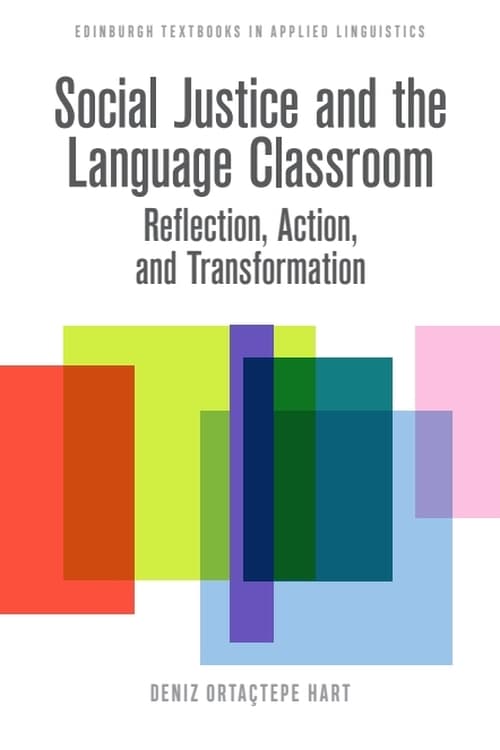
Social Justice and the Language Classroom
Reflection, Action, and Transformation

Our ebooks are read in the Academic Reader app. After you buy, we’ll email you how to open your ebook in it.
Description
Pedagogical principles and practices to integrate social justice issues into your language classroom
- Covers social class and neoliberalism, intersectionality, race, ethnicity and antiracism, environmental justice, gender and sexual identity
- Includes problem-posing and reflective tasks, sample lesson plans and activities to allow you to critically reflect on your practice and apply social justice pedagogies in your own teaching
- Includes case studies from across the world adopting a more international perspective and challenging the dominant US-centric and Eurocentric approaches to social justice language education
Challenging the liberal notion of the classroom as a neutral space, Social Justice and the Language Classroom invites you to become advocates, allies, and activists, and gives you the conceptual and practical tools to fight against systemic injustice in education and beyond.
This practical resource book examines issues of inequity, marginalization, discrimination, and oppression that are regularly experienced by language learners coming from diverse backgrounds in terms of race, ethnicity, social class, ability, language and sexuality. Drawing on examples from international contexts and including problem-posing and reflective tasks, sample lesson plans, activities and resource materials, this book provides you with vital knowledge for socially just language teaching and provides the pedagogical tools to apply these in classroom contexts.
With its emphasis on intersectionality and global competence, the book builds bridges between critical pedagogy, political economy, critical race theory, feminist pedagogy, and queer theory to equip you with the tools to recognize systems of oppression and inequality, understand how they interact, and to adopt social justice pedagogies for transformation and social change.
Contents
Preface; Acknowledgements
Part I Language teaching for social justice
1. Social justice and social justice education
2. Social justice-oriented critical pedagogy
3. Language, education, and social justice
4. Social justice language curriculum
Part II Critical themes and frameworks
5. Neoliberalism, social class, and anti-classism
6. Race, ethnicity, and antiracist language pedagogy
7. Social justice pedagogies for all gender and sexual identities
Part III Conclusion
8. The rough and yet traversable road ahead
Appendices;References
Author
Reviews
Social Justice and the Language Classroom makes a compelling and grounded argument for connecting social justice, language education and decolonial perspectives. As language educators we cannot sit silently by in the face of local and wider injustices. It shows both why critical language education projects are essential and how they can be developed.
Theoretically robust and eminently practical in terms of classroom applicability, this timely and much-needed book aims to put social justice at the heart of second language education. It succeeds admirably in that endeavour, comprehensively and eloquently addressing issues of race, class, gender and sexuality while effectively raising teachers’ critical consciousness.
Ortaçtepe Hart deliberately avoids trying to replace one educational ideology with an alternative “off-the-shelf” commodity. Instead, she focuses on developing her readers' capacities for critical consciousness and reflection—skills that should help them to identify the social justice issues that matter most in their own contexts, and how to incorporate them into their teaching. This is what makes the book's contribution to language education—and to TESOL in particular—so valuable.
Overall, Social Justice and the Language Classroom is an excellent resource for informing readers about the need for and advantages of implementing social justice pedagogies in language classrooms. Each chapter is well written and researched, provides global examples, includes meaningful reflective tasks, chapter notes, multimedia resources, and a list of children’s books. Thus, this book would make an excellent textbook or supplemental text for undergraduate or graduate classes that include language education of any kind.
Another key strength of the book is the use of intersectionality to explore the complexities of social (in)justice. It is the way in which different features of people’s individual identities combine to locate them in certain social positions and to affect their capacities for social mobility that creates social injustice in the first place. [...] an intersectional lens allows Ortaçtepe Hart to incorporate not only race and ethnicity but also class, gender and sexual identity, sexuality, and a range of other issues into the discussion.
Goes well with this book
From the same series or subject.
- Social Justice and the Language Classroom, Ebook (EPUB), £26.99
- Research Methods for Applied Linguistics, Ebook (EPUB), £29.99
- Teaching Language and Promoting Citizenship, Ebook (EPUB), £29.99
From the same series
More in Edinburgh Textbooks in Applied Linguistics
Ebook (EPUB)£29.99
Ebook (EPUB)£33.99
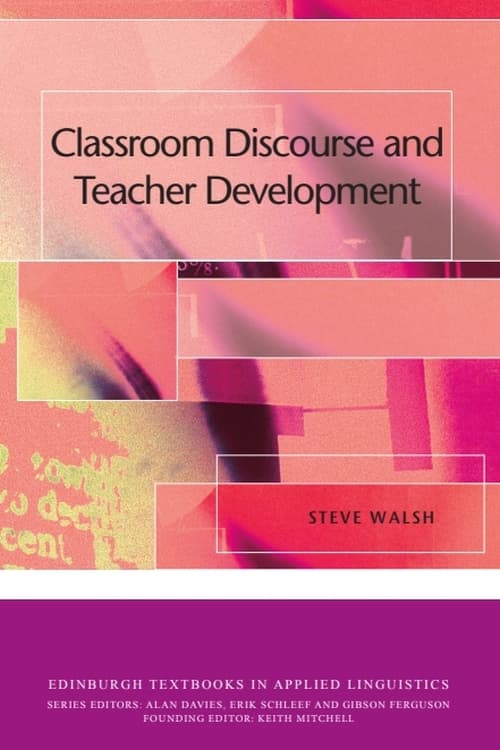
Ebook (EPUB)£27.99
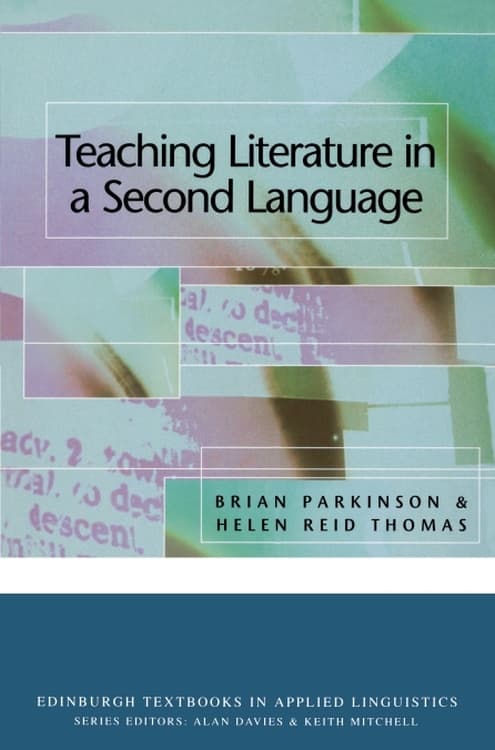
Ebook (PDF)£33.99
More in Language & Linguistics
View all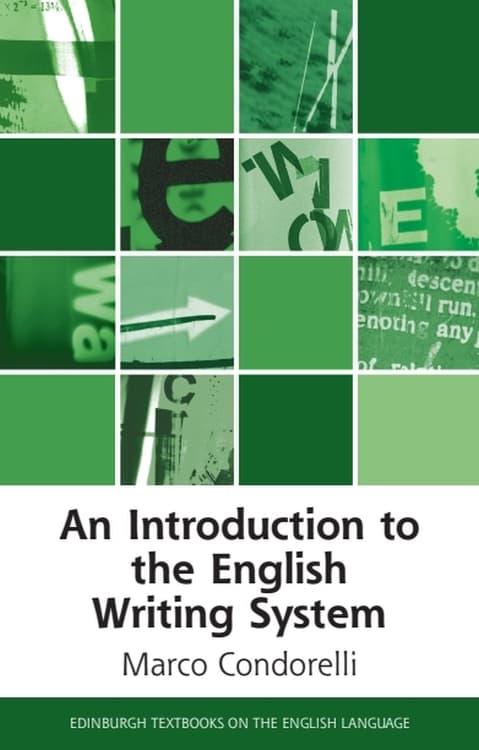
Ebook (EPUB)£19.99
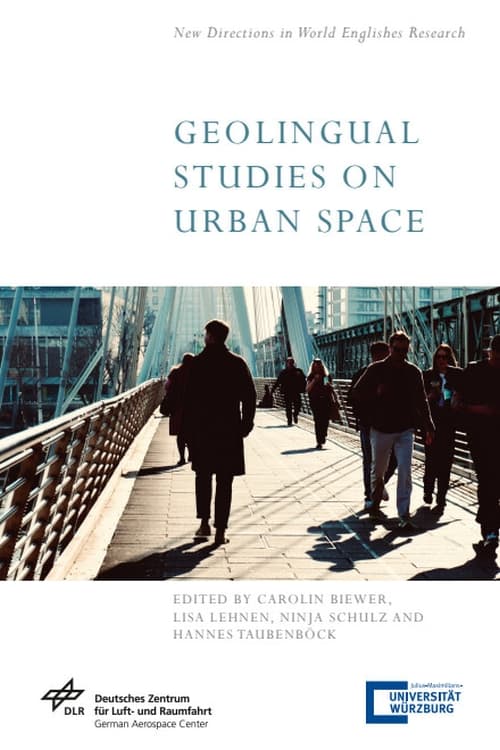
Ebook (EPUB)£125.00
Ebook (EPUB)£105.00

Ebook (EPUB)£95.00
Ebook (EPUB)£90.00