Ebook (EPUB)£125.00
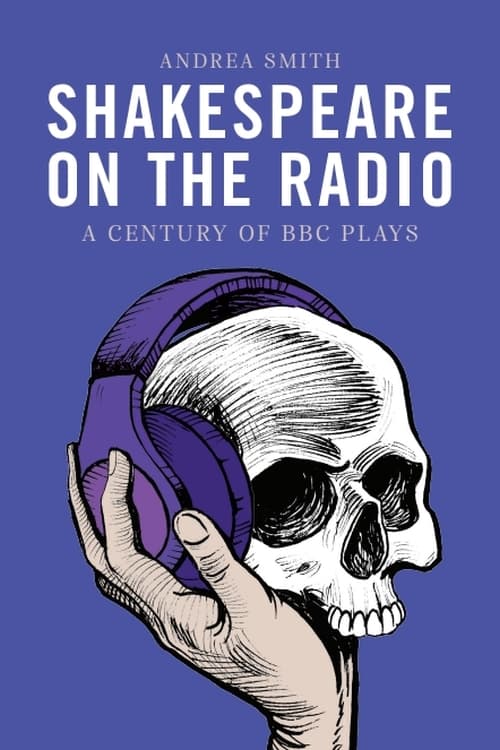
Shakespeare on the Radio
A Century of BBC Plays

Our ebooks are read in the Academic Reader app. After you buy, we’ll email you how to open your ebook in it.
Description
Taking you inside Shakespeare’s plays on the radio – how they sound and how they change and evolve – Andrea Smith provides an innovative history of Shakespearean performance. Based on meticulous new research using documentary evidence and archive audio recordings, Smith explores what it means to present Shakespeare as audio and how this can help us to gain a greater understanding of the plays themselves and the art of performing them. The BBC’s remit to ‘inform, educate and entertain’ has led to assumptions that these plays were presented as scholarly works rather than showbiz. Wrong! They feature all the careful crafting of any other production of Shakespeare’s work. This book puts these audio productions on a par with other forms of Shakespearean performance and offers detailed case studies to further the readers’ understanding of Shakespeare’s texts on air.
Contents
Acknowledgements
Introduction: What is radio Shakespeare and how does it work?
1. First steps and early success: 1923-45
2. Post-war boom: 1946-66
3. Radio reorganised and reimagined: 1967-87
4. Man of the millennium: 1988-2001
5. Digital developments and diversity: 2002-23
Conclusion: Radio Shakespeare is truly immersive
Glossary of broadcasting terms
Selected Bibliography
Index
Author
Reviews
An indispensable guide to the huge (and largely free) treasures of our greatest writer. It’s often said that radio plays have the best scenery; this book proves that they have the best words as well.
Forget the old chestnut that if Shakespeare were alive now, he’d be writing for Hollywood: Andrea Smith makes clear that he’d be writing for the verbal, imaginative medium of radio. This revelatory book opens a fascinating new field of study.
Smith (Univ. of Suffolk, England) offers a fascinating history in an underrepresented area of Shakespeare studies. Treating radio adaptations of Shakespeare as texts in their own right, with their own performance traditions and technical practices, this volume places (mostly BBC) radio adaptations in their historical and cultural contexts, in chronological order, organized in chapters of roughly 20-year spans from the origins of radio to the present. The introduction serves as a history of British radio engineering practice. Radio as a medium offers a fascinating way to consider Shakespeare’s language in performance, as the artists must convert any visual elements of performance to the purely aural, with all the challenges that entails. Smith’s chronicle demonstrates the significant role of Val Gielgud, brother to the more famous actor John, in shaping radio Shakespeare. One of the strengths of the volume is Smith’s detailed case studies of exemplary radio productions from each period, tracking changes in preferred plays, actor choices, and audience and critical responses. Perhaps the most surprising element: for much of the history of radio Shakespeare, men produced the shows, but in the 21st century, female producers dominate the form.
As a synoptic overview of the field, and as an introduction to methodologies for its study, including when no recordings exist, Shakespeare on the Radio is a valuable primer. It is also persuasive in arguing for the interest and value of the recordings available for others to enjoy, to explore and to extend the critical strategies initiated here. With streaming, audiobooks and additional forms of digital distribution, these riches are available as never before.
Goes well with this book
From the same series or subject.
- Shakespeare on the Radio, Ebook (EPUB), £14.99
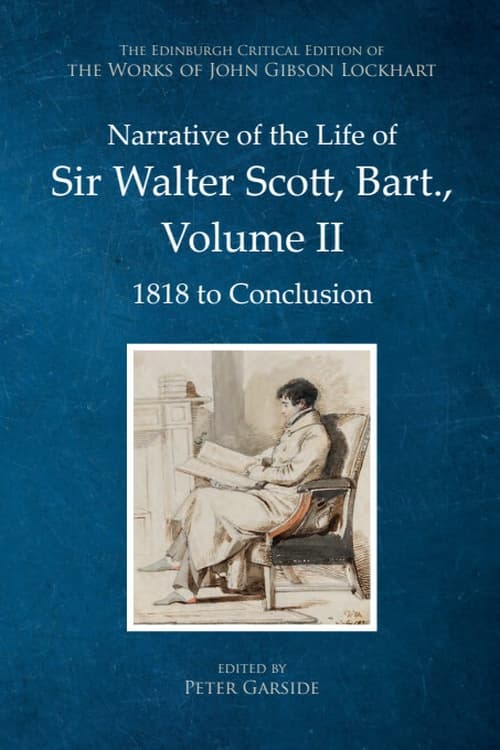
- Narrative of the Life of Sir Walter Scott, Bart., Volume II, Ebook (EPUB), £125.00
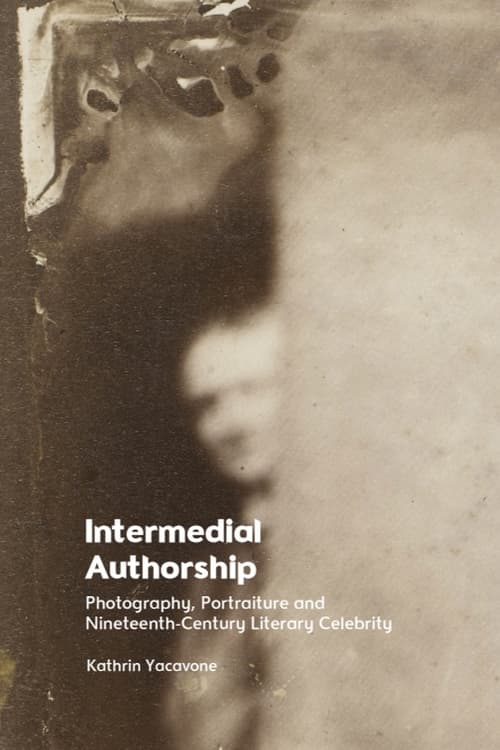
- Intermedial Authorship, Ebook (EPUB), £110.00
More in Literary Studies
View allEbook (EPUB)£110.00
Ebook (EPUB)£90.00
Ebook (EPUB)£90.00
Ebook (EPUB)£90.00