Ebook (EPUB)£90.00
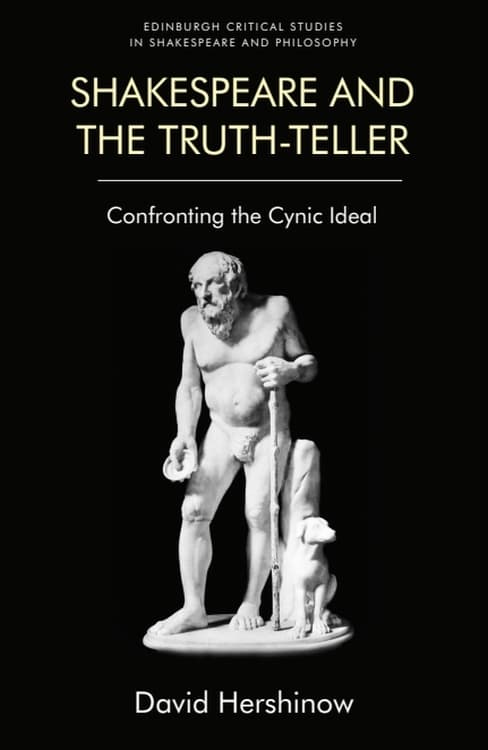
Literary StudiesEdinburgh Critical Studies in Shakespeare and Philosophy
Shakespeare and the Truth-Teller
Confronting the Cynic Ideal

Our ebooks are read in the Academic Reader app. After you buy, we’ll email you how to open your ebook in it.
Description
Examines the early modern reception of classical Cynicism and the rise of literary realism
- Promotes a new understanding of the intersection between literary character and ethical character, especially with respect to literature’s role in facilitating belief in the revolutionary potential of individual critical agency
- Deploys the reception history of Diogenes the Cynic as a methodological point of contact between historicist and presentist approaches to Shakespeare
- Draws new interdisciplinary connections between Shakespeare studies, literary theory, critical theory, and political philosophy
- Includes novel readings of King Lear, Hamlet, and Timon of Athens as well as other early modern texts and a number of major works of modern philosophy and political theory
Highlighting the necessity of literary thinking to political philosophy, this book explores Shakespeare’s responses to sixteenth-century debates over the revolutionary potential of Cynic critical activity – debates that persist in later centuries and inform major developments in Western intellectual history. Analysing cynic characterisations of Lear’s Fool, Hamlet and Timon of Athens, Hershinow presents new ways of thinking about modernity’s engagement with classical models and literature’s engagement with politics.
Contents
Acknowledgements
IntroductionPart I: Our Cynic Legacy1. Cynicism and the Courage of Truth2. The Realist Turn: Parrhêsia, Character, and the Limits of Didacticism
Part II: Shakespeare’s Cynics
3. Shakespeare’s Bitter Fool: The Politics and Aesthetics of Free Speech4. Cynicism, Melancholy, and Hamlet’s Memento Moriae5. Cash is King: Timon, Diogenes, and the Search for Sovereign Freedom
CodaIndex
Author
Reviews
Honest counselor and bitter fool, fearless speaker of truth to power and tub-dwelling public masturbator, the Cynic philosopher Diogenes enlivens some of Shakespeare’s most compelling plays, including King Lear, As You Like It and Twelfth Night. In this timely and fascinating study, David Hershinow traces the Cynic challenge to power and conformity backwards to Shakespeare’s sources in ancient philosophy and forwards to Hegel and Foucault, discovering in the Cynic stance the enduring allure of a criticism capable of changing the world through the sheer audacity of matching blistering words to outrageous deeds.
Goes well with this book
From the same series or subject.
- Shakespeare and the Truth-Teller, Ebook (EPUB), £22.99
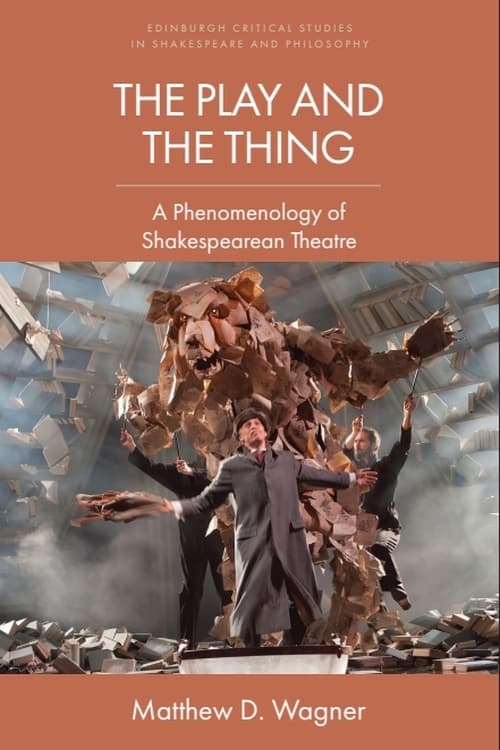
- The Play and the Thing, Ebook (EPUB), £90.00
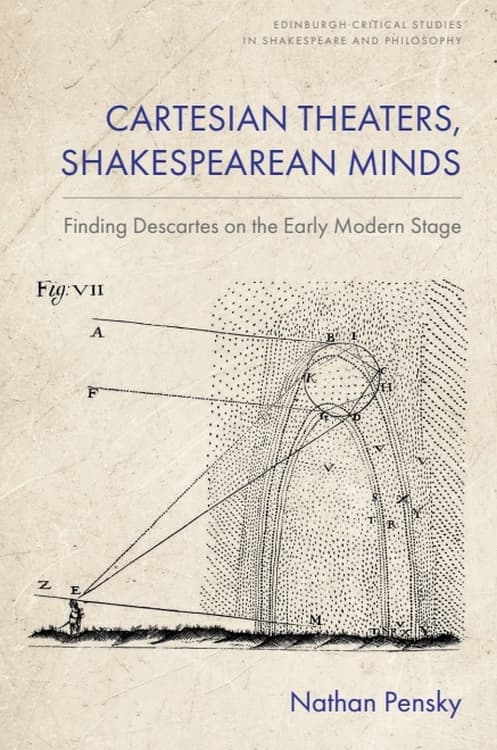
- Cartesian Theaters, Shakespearean Minds, Ebook (EPUB), £95.00
From the same series
More in Edinburgh Critical Studies in Shakespeare and Philosophy
Ebook (EPUB)£95.00
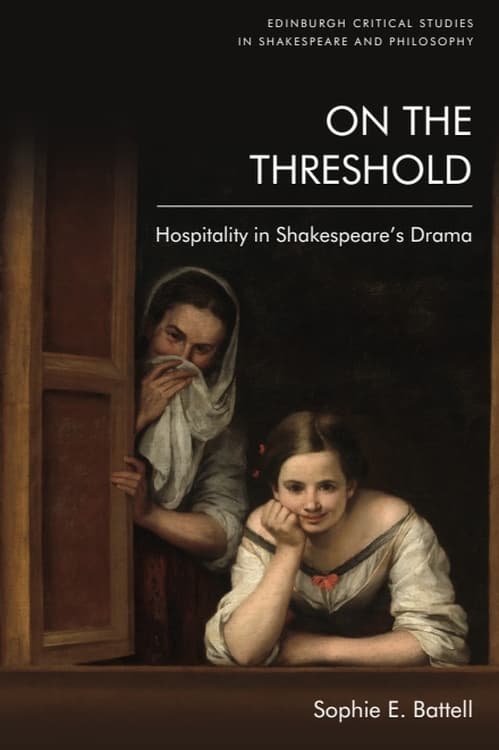
Free to read
Read On the Threshold
Ebook (EPUB)£29.99
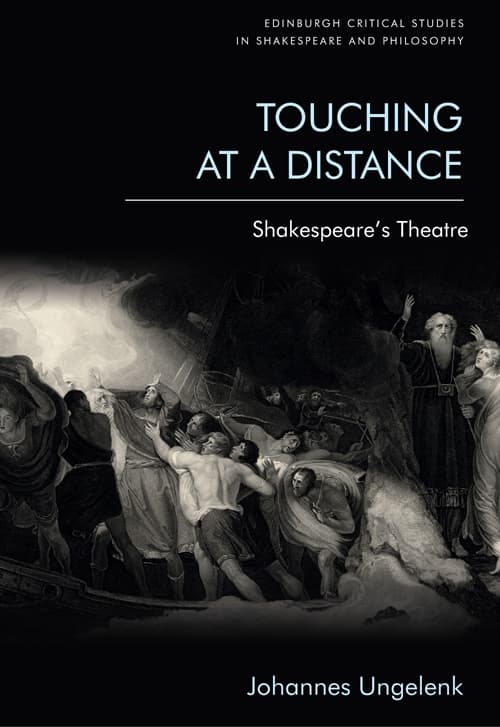
Free to read
Read Touching at a Distance
Ebook (EPUB)£22.99
Ebook (EPUB)£33.99
Ebook (EPUB)£27.99
Ebook (EPUB)£27.99
Ebook (EPUB)£29.99
More in Literary Studies
View all
Ebook (EPUB)£125.00
Ebook (EPUB)£110.00
Ebook (EPUB)£90.00
Ebook (EPUB)£90.00
Ebook (EPUB)£90.00