Ebook (EPUB)£85.00
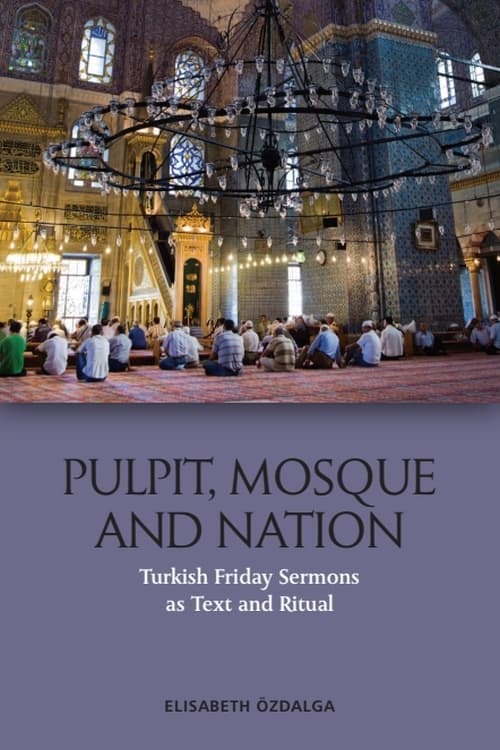
Pulpit, Mosque and Nation
Turkish Friday Sermons as Text and Ritual

Our ebooks are read in the Academic Reader app. After you buy, we’ll email you how to open your ebook in it.
Description
Analyses the historical and sociological roles of Friday sermons in the nation-building process in modern Turkey
- Presents a new field of research, which focuses the role of Islamic oratory in the nation building process in modern Turkey
- Analyses various forms and contents (including a large number of translations from Turkish to English) of Friday prayer oratory
- Highlights how state patronage conducted through a secular political order has controlled religion, but also how an overpowering state has been challenged by various religious groups and institutions
- Synthesises three basic analytical dimensions of official Muslim oratory: the religious ritual; political and ideological discourses; and, governmental supervision through the official religious institution Diyanet
With an all-pervading sermon theme of social, national and political unity, Elisabeth Özdalga explores how long-standing religious rituals are utilised and mobilised in the formation of modern political loyalties and national identities.
Since the formation of the Republic in 1923, Friday sermons (hutbe) have been an important platform that allows the state to engage and communicate with the Turkish people. Sermon topics vary from religious and ethical issues to matters concerning family, women, health, education, business and the environment. Even if politics, in the name of secularism, has been banned from mosques and sermons, questions of how to be a good citizen and honour the Turkish nation have been of utmost importance.
Contents
Introduction: Pulpit under Red Banner
- The Hutbe in Historical Perspective
- Early Authorized Hutbe Collections: A Homiletic Tradition under Secular State Control
- The Significance of Ritual: Liturgical Turkification Contested
- Preaching Brotherhood to an Unruly Nation
- Diyanet in Search of Autonomy
- Writing and Listening: Voices from Inside
- Pulpit Under Islamist Banner
Conclusions: The Secular Order Unhinged?
Appendix I: Excerpts in original Turkish from Ahmet Hamdi Akseki’s 1927/28 hutbe collection
Appendix II: Hutbe topics in Turkish and English from Ahmet Hamdi Akseki’s 1936/37 hutbe collection
Appendix III: Turkish originals of hutbes selected from Diyanet Gazetesi 1971-79
Appendix IV: Economic indicators and Diyanet statistics in tables.
Bibliography
Author
Reviews
Through a meticulous examination of the Friday sermons, Elisabeth Özdalga analyses the public role of religion in Turkey – from containment by the secular state to instrumentalisation by the Islamist government. This is a most valuable contribution to our understanding of state-religion configurations in modern Turkey.
As this study shows, the paradox of Turkey is that it is on the one hand, the most secular state in the Islamic world, and on the other, the country in which Islam is most heavily controlled by the state. The Friday sermon, whose text is determined centrally by the Presidency of Religious Affairs in Ankara, is a key instrument for this control. In her innovative and timely study, Özdalga shows that it is not so much the rather bland and repetitive contents of the Friday sermon that makes it influential, but the rather the fact of its performance. Attended by over half of the male population, the Friday prayer and sermon form a communal act that plays a key role in installing in the audience "oneness and togetherness" that is the foundation stone of Turkish republican nationalism. Combining humanities and social science research, Özdalga makes a convincing case that this symbiosis between secular nation state and religious establishment worked relatively well for over eighty years. She also notes, however, that since 2011 the Islamist regime of the Justice and Development Party has instrumentalised the Presidency of Religious Affairs to extend its authoritarian control over many aspects of social life.
Elisabeth Ӧzdalga here offers us a rich and original review of the DİB; rather than presenting itself as the last word on the subject, it positively invites further development.
Pulpit, Mosque and Nation provides welcome, timely insight into the relationship between this politics of the state and the Friday sermon—unquestionably, its lessons extend far beyond Turkish mosques.
Goes well with this book
From the same series or subject.
- Pulpit, Mosque and Nation, Ebook (EPUB), £20.99
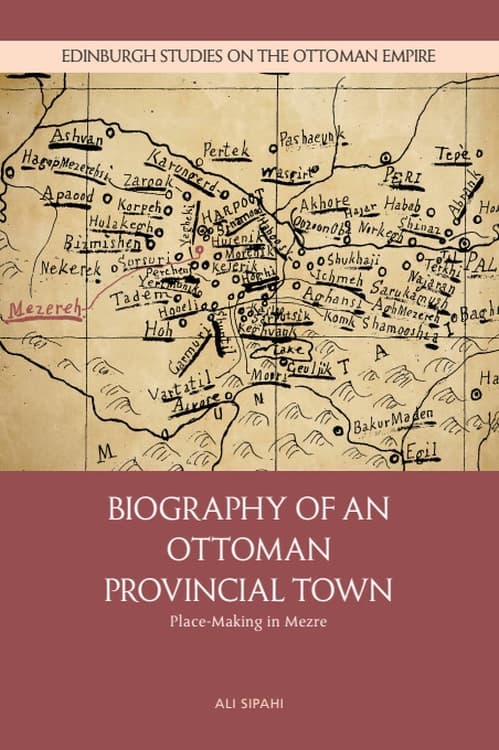
- Biography of an Ottoman Provincial Town, Ebook (EPUB), £85.00
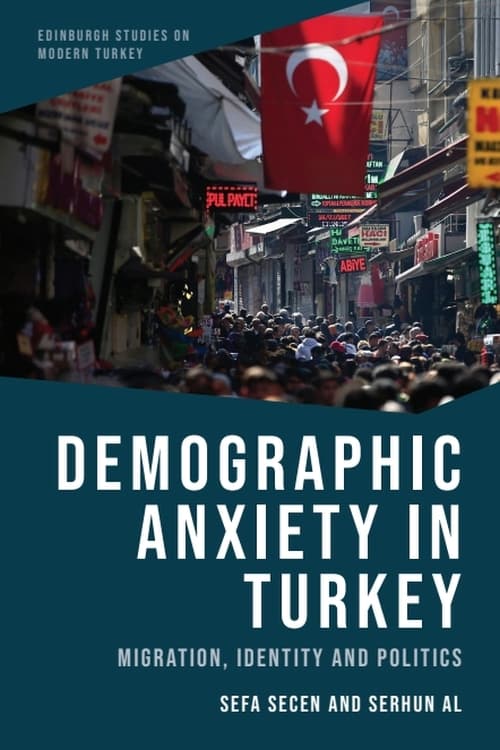
- Demographic Anxiety in Turkey, Ebook (EPUB), £90.00
More in IMES
View allEbook (EPUB)£90.00
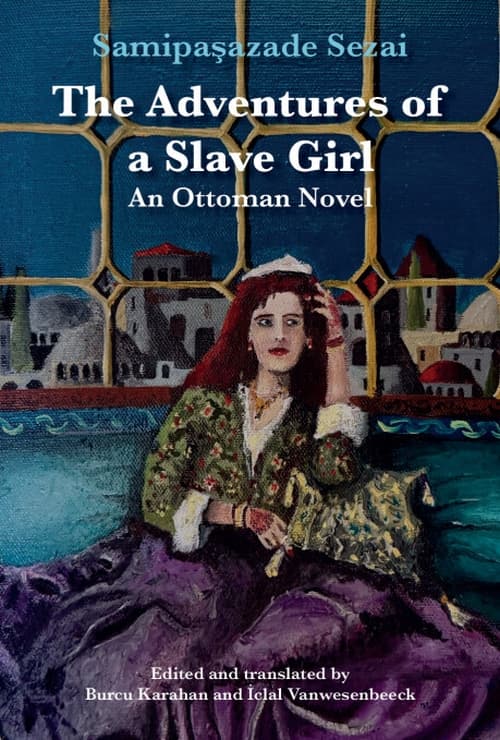
Ebook (EPUB)£14.99
Ebook (EPUB)£100.00
Ebook (EPUB)£95.00