Ebook (EPUB)£125.00
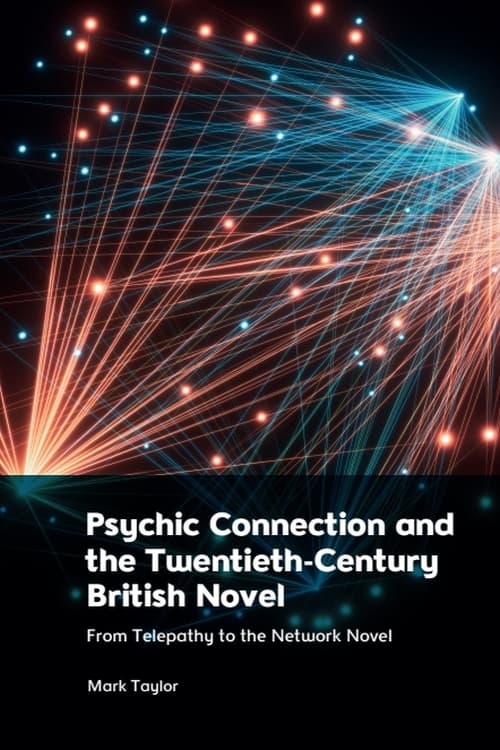
Psychic Connection and the Twentieth-Century British Novel
From Telepathy to the Network Novel

Our ebooks are read in the Academic Reader app. After you buy, we’ll email you how to open your ebook in it.
Description
Contends that the twentieth century novel’s approach to character fundamentally shifted in response to contemporaneous theories of psychic connection
- Challenges the paradigm that individualism is innate to the novel as a medium
- Charts an unmapped trajectory in the novel’s development away from individualism
- Accessibly outlines how psychic speculation informs the conception of character in major twentieth century novels
- Offers valuable tools for analysing literature without treating the individuated character as a necessary unit
Criticism of the novel routinely starts with the assumption that characters must think, develop and strive for self-fulfilment as individuals. This book challenges the paradigm that individualism is innate to the novel as a medium. It describes how major writers throughout the twentieth century – many convinced by the supposed findings of parapsychology – rejected the idea of the discrete character. Treating the self as porous, they offered novels structured around the development of communities and ideas rather than individuals. By focusing on D. H. Lawrence, Olaf Stapledon, Aldous Huxley and Doris Lessing, Mark Taylor demonstrates the need to broaden our approach to character when addressing the novel of the twentieth century and beyond.
Contents
Acknowledgements
Introduction: Psychic Speculations and the Porous Self
1. D. H. Lawrence and the Novel of Connected Individuals
2. Olaf Stapledon and the Scope of Interpersonal Connection
3. Aldous Huxley, Telepathy and the Decentring of Personality in the Novel of Ideas
4. Doris Lessing, Deindividuated Characters and Hybrid Identity
Conclusion: The Network Novel, Inclusion and Infusion
Notes
Works Cited
Index
Reviews
Taylor’s book offers a fascinating alternative history of the twentieth-century British novel. While the novel form is often seen as the definitive narrative of individualism, Psychic Connection tracks a different path through telepathy, panpsychism, and visions of collective selves, working through D. H. Lawrence, Olaf Stapledon, Aldous Huxley and Doris Lessing, and ending with a generative reading of the contemporary ‘network novels’ of David Mitchell. A cogent and consistently compelling counter-narrative.
Goes well with this book
From the same series or subject.
- Psychic Connection and the Twentieth-Century British Novel, Ebook (EPUB), £19.99
- Narrative of the Life of Sir Walter Scott, Bart., Volume II, Ebook (EPUB), £125.00
- Intermedial Authorship, Ebook (EPUB), £110.00
More in Literary Studies
View allEbook (EPUB)£110.00
Ebook (EPUB)£90.00
Ebook (EPUB)£90.00
Ebook (EPUB)£90.00