Ebook (EPUB)£85.00
Description
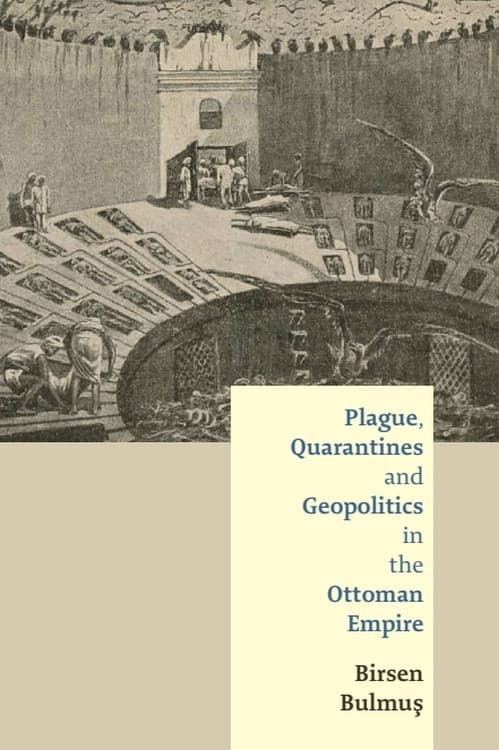
A sweeping examination of Ottoman plague treatise writers from the Black Death until 1923
Did you know that many of the greatest and most colourful Ottoman statesmen and literary figures from the 15th to the early 20th century considered plague as a grave threat to their empire? And did you know that many Ottomans applauded the establishment of a quarantine against the disease in 1838 as a tool to resist British and French political and commercial penetration? Or that later Ottoman sanitation effort to prevent urban outbreaks would help engender the Arab revolt against the empire in 1916?
Birsen Bulmus explores these facts in an engaging study of Ottoman plague treatise writers throughout their almost 600-year struggle with this epidemic disease. Along the way, she addresses the political, economic and social consequences of the methods they used to combat it.
Key Features
- Studies the premodern ways in which plague was viewed by Ottoman Islamic thinkers
- Traces the eventual Ottoman acceptance of quarantines and other modern medical reforms
- Analyses international debates over plagues and quarantines as a struggle about colonialism and national sovereignty
Contents
1. Preliminary Remarks; 2. Conceptualizing Plague in Ottoman Islamic Thought; 3. Plague & Ottoman Medical Thought; 4. Magic & Plague in the Ottoman Empire; 5. Hamdan Bin El-Merhum Osman & the Ottoman Quarantine Reform; 6. Plague & Quarantines in the Colonial Era; 7. Plague, Sanitary Administration, and the End of Empire; 8. Towards a New Understanding of Plague and Quarantines in the Ottoman Empire; Bibliography.
Author
Reviews
An exceptionally readable work that explains how, from the 1400s, internal and external forces drove Ottoman public health.'
The wealth of primary sources utilized in the book breathes life into these discussions and provides a nuanced approach. This is a fine work that offers new information and new perspectives.
‘One of the great strengths of the book is its effort to show the overlap between Ottoman and early modern European responses to the plague. Bulmuş is able to point to striking similarities between Ottoman and European references to cabbalistic, talismanic, and astrological understandings of plague.’- Michael Christopher Low, Columbia University, Review of Middle East Studies
Bulmus provides a truly remarkable synthesis of medical history and the history of European-Ottoman relations. Scientific complexities are clearly explained in the contexts of the rise of modern science and modern European imperialism. Bulmus utilizes a wide range of sources, including previously under-used Muslim sources, to strengthen her analysis.
Goes well with this book
From the same series or subject.
More in IMES
View allEbook (EPUB)£90.00
Ebook (EPUB)£14.99
Ebook (EPUB)£100.00

Ebook (EPUB)£95.00