Ebook (EPUB)£85.00
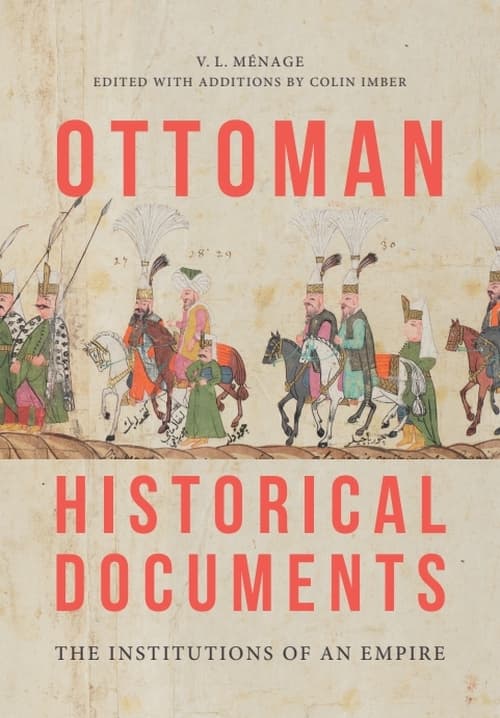
Ottoman Historical Documents
The Institutions of an Empire

Our ebooks are read in the Academic Reader app. After you buy, we’ll email you how to open your ebook in it.
Description
Translates and comments on Ottoman documents from the period of the empire’s rise to greatness
- The first systematic collection of source materials for students of Ottoman history
- Fluently translates the documents from Ottoman Turkish, Greek, Arabic, Persian, Latin and Italian into English
- Explains technical terms and problems of interpretation with annotations and a glossary
- Contextualises the documents in a succinct introduction to each chapter
- Introduces both the government and institutions of the Ottoman Empire, and the different types of source material encountered in historical research
- Provides valuable comparative material for historians of the late-mediaeval and early modern periods, and in particular for historians of the Mediterranean and Middle East during this era
This collection of translated primary sources for Ottoman history shows how the major institutions of Ottoman government developed and functioned. Each chapter covers a key topic: Legitimation and Titulature; Princes; Recruitment into the Sultan’s service; the Vizierate and the Dīvān; the Religio-Legal Institution; Ḳānūnnāmes (sultanic legislation); Taxation and Finance; Waqfs (endowments); and Treaties and Foreign Relations.
Contents
The Islamic MonthsThe Ottoman Sultans, c1300–1687List of IllustrationsPrefaceMapsFigures
Chapter I: The Dynasty: Legitimation and Titulature
Section 1: The Assertions of the Chroniclers
- The voice of the dervishes: the dream of Ertoġrula. From the Anonymous Chroniclesb. From the Tevārīkh-i Āl-i ʿOṣmān
- The voice of the ġāzīs: how ʿOsmān became an independent ruler
- The voice of the ʿulemā: how ʿOsmān became an independent rulera. Kitab-ı Cihan-nüma about why ʿOsmān is called ġāzīb. Kitab-ı Cihan-nüma about how drum and standard came to ʿOsmān
- Pagan Turkish tradition: the genealogy of the Ottoman sultansa. Yazıcıoğlu ‘Alī on the line of ʿOsmānb. Şükrullāh on the line of ʿOsmān
- Conflation in the Oxford Anonymous Chronicle
Section 2: Titulature: Caliphal Claims
- Inscription of Kayḫosrev II (1236–46) on the sea walls at Antalya
- Inscription on the tomb of the Aydın-oġlu Muḥammad (d. 1334) at Birgi
- Inscription of 1337. from the Şehadet Mosque in Bursa
- Inscription from a bridge in Ankara, dated 1375
- Other inscriptions referring to Murād I
- Dedicatory notice in a Qurʾān preserved in the mausoleum of Murād I
- Inscription on the tomb of Bāyezīd I, dated 809/1406–7
- Title-page of an almanac (in Persian), dated 824. (1421)
- A reference in Ṭursun Beg’s History of Meḥmed II
- A reference in Celālzāde’s History of Süleymān I
- Ebuʾs-Suʿūd’s proemium to his statement on ‘state lands’
- The second deposition of Muṣṭafā I, 1623
- Fatwās on the Ghalzay Ashraf, 1726
- Süleymān I to Archduke Ferdinand of Austria, 1554
Sources
Chapter II: The Dynasty: Princes
Section 1: The Appointment of Princes in the Early Fourteenth Century
- ʿOsmān’s sons
- Orḫān’s sons
- Orḫān’s sons, after the conquest of Nicaea
Section 2: Princely Governorships
- Prince Ḳorkud leaves Istanbul for his governorship
- A letter from Prince ʿĀlemşāh’s mother Gülrūḥ to Bāyezīd II
- A decree of Prince Aḥmed to the yaya yoldaşlar
- A decree of Prince Selīm [II]
- A decree of Prince Meḥmed [III]
Section 3: Fratricide
- Statement of the former Byzantine Emperor John VI Kantakouzenos
- The accession of Bāyezīd I, 1389a. From the Anonymous Chronicles
- The civil war (1402–13)
- The accession of Murād II, 1421
- The accession of Bāyezīd II, 1481
- The first accession of Meḥmed II, 1444
- The second accession of Meḥmed II, 1451a. From Michael Doukas’s Historia Turco-Byzantinab. From Ibn Kemāl’s Tevârih-i Âl-i Osmân
- Popular criticism of fratricide: the story of the abdication of ʿAlī Pasha
- The accession of Meḥmed III, 1595
- The accession of Aḥmed I, 1603
Sources
Chapter III: The Dynasty: Recruitment into the Sultan’s Service
Section 1: Pencik and Devşirme
- A decree regulating the pencik
- Tolls to be levied on slaves taken across the Bosphorus
- A template decree for levying boys for the devşirme
- A Janissary lobbies the sultan on behalf of his family
- Escaping the devşirme
- The recovery of a captured novice
Section 2: Promotion to the Sultan’s Service
- Command to the aġa of the Janissaries, 1562/3
- Command to the aġa of the Janissaries, 1567/8
- Command to the aġa of the Janissaries, 1560/1
- Command to the aġa of the Janissaries, 1573/4
- Command to the aġa of the Janissaries, 1583
- The pay of palace servants: an account register from 1478
Section 3: Berāts
- The appointment of a preacher in Bursa
- The appointment of a beglerbegi
- The appointment of a ḳāḍī
- The appointment of a metropolitan
- The appointment of mountain guards
Sources
Chapter IV: The Vizierate and the Dīvān
- The Āṣaf-nāme of Luṭfī Paşa
- The dīvān: a Venetian account
- Submissions to the sultana. Submission of the vizier Yemişçi Ḥasan Paşab. Submission of the vizier Yemişçi Ḥasan Paşac. Submission of the vizier Yemişçi Ḥasan Paşad. Submission of the vizier Yemişçi Ḥasan Paşae. Submission of Yemişçi Ḥasan Paşaf. Submission of the grand vizier Meḥmed Paşa
- The sultan’s written instructions
- Death of a grand vizier: report of Henry Lello
Sources
Chapter V: The Provincial Administration and the Tīmār System
- From the report of Iacopo de Promontorio, c1475–80
- An entry in a tīmār-register, with marginal notesa. Tīmār of İnebegi and Ḥüseyn, sons of serʿasker Ḥasanb. [Possibly relating to the village of Yılınça]c. [possibly relating to the village of Pirvol]
- Two entries from the detailed register of Āmid, 1518a. Tīmār of Yemini the Kurd, a sipāhī of the sancaḳ of Āmidb. Tīmār of Saʿduʾllāh the yaṣavul, a sipāhī of the sancaḳ of Āmid
- Sundry marginal notes in a summary-register of c1445, Thessaloniki etc.
- Marginal notes in a similar register of 1455, Skopjea. Tīmār of Mūsā, retainer (ḥidmetkār) of ʿĪsā Begb. Tīmār of Yūsuf, kinsman of the mīr-aḫur Ḥamza Beg
- Two tīmār grantsa. Thessaloniki: the tīmār of Meḥmedb. Yalaḳabad [in the sancaḳ of] Ḳocaeli
- Conversion of privately-owned revenue to a ḫāṣṣ-estate
- A call for volunteers before the Moldavian campaign, 1484
- Submissions by and to the sancaḳ begi of Bosnia, c1512–14a. The sancaḳ begi of Işkodra to Yūnus Paşa of Bosniab. The sancak begi of Zvornik to Yūnusc. The sancaḳbegi of Bosnia to the nāʾib of Visokad. The sancaḳ begi of Bosnia to the Portee. The sancaḳbegi of Bosnia to the Portef. The sancaḳbegi of Bosnia to the Porteg. The sancaḳbegi of Bosnia to the Paşah. The sancaḳbegi of Bosnia to the Paşa
- ‘The good old days’
Sources
Chapter VI: The Religio-Legal Institution
Section 1: Law and Religious Practice
- Passages on the law of sale from Ḥanafī legal textsa. From al-Matn of al-Qudūrī (d. 1037)b. From al-Ikhtiyār fī taʿlīl al-Mukhtār of al-Mūṣilī (d. 1284)c. From al-Fatāwā of Qāḍīkhān (d. 1195)
- A fatwā on the application of Shāfiʿī doctrine
- A fatwā on acquiring land for a new mosque construction
- A fatwā on taxing land occupied by descendants of the Prophet
- A fatwā on a ḳāḍī granting unauthorised tax exemptions
- A fatwā on Rumelian ḳāḍīs issuing ḥüccets
- A fatwā on sipāhīs taking a tithe
- A fatwā on Muslim villagers neglecting prayer
- A fatwā on money fines for neglecting prayer
- A fatwā on executing a repentant heretic şeyḫ
- Command to the sancaḳbegi of Amasya
- Command to the sancaḳbegi of Amasya, İlyās beg
- To the sancaḳbegi of Kastamonu and the ḳāḍī of Küre
- To the ḳāḍī of Niksar
Section 2: The Administration of Law
- A ḥüccet on repairs to a monastery on Mount Athos
- A ḥüccet on returning a defective slave-girl to the vendor
- A sicill-entry on the sale of a vacant site by a Muslim to a dhimmi
- A sicill-entry on a debt owed by a dhimmī to a Muslim
- A sicill-entry on a money loan
- A sicill-entry on the daughter of a recent convert
- A sicill-entry on divorce and the legality of the wife’s second marriage
- A sicill-entry on cloth measuring short
- A sicill-entry on unsatisfactory goods
- A sicill-entry on a complaint by the weavers’ guild
- A sicill-entry on a smith not receiving his dues
- A sicill-entry on the payment of tax on a slave girl
- A sicill-entry on the ownership of sheep
- A sicill-entry on a burglary
- A sicill-entry on a violent argument between father and son
- A sicill-entry of a command to the sancaḳbegis and ḳāḍīs of Anaṭolı
- A sicill-entry of a command to the ḳāḍī and the inspector of muḳāṭaʿas
- A fatwā on contracting marriage between minors
- A fatwā on the validity of contracting marriage without the ḳāḍī
- A fatwā on re-marrying without intermediate marriage
- A fatwā on giving customs money as zakāt
- A fatwā on giving alms
- A fatwā on a preacher’s statement about a ḳāḍī
- A fatwā on the testimony of foreign merchants (ḥarbī) against a dhimmī
- A fatwā on a Christian woman’s charitable endowment
- A fatwā on the Ottoman conquest of Istanbul and its surroundings
- A fatwā on slaves purchasing slaves of their own
- A fatwā on the sultan’s slaves contracting marriages
- A fatwā on a ḳāḍī acting outside his jurisdiction
- A fatwā on the dismissal of a debauched ḳāḍī
- A fatwā on the death of a falsely accused person after wrongful torture
- A fatwā on extortionate loan transactions
- A fatwā on tax income for sipāhīs
- A fatwā on tax income, including in kind, for sipāhīs
- A fatwā on bennāk tax
- A fatwā on capitation tax (ispençe), grape tithe and taxes on pigs
- A fatwā on a rebellious son of the sultan
- A fatwā on those who lead the sultan astray
- A fatwā on deposing a sultan who disturbs order by accepting bribery
- A fatwā on the legality of killing fomenters of corruption
- A fatwā on punishment for a thief stealing from the imperial treasury
Sources
Chapter VII: Ḳānūnnāmes
- The ‘Kraelitz text’
- The ḳānūnnāme of Ḫüdāvendgār, 1487
- Extracts from the ‘general’ ḳānūnnāme, c1500
- The ḳānūnnāme of Siverek, 1518
- The ḳānūnnāme of Sīs, 1518
- The ḳānūnnāme of Nikopol, reign of Süleymān Ia. Instructions on dealing with the tīmārs of the districtb. Exposition of the ḳānūnnāme of the voynuḳs
- Extracts from the ḳānūnnāme of Egypt, after 1525
Sources
Chapter VIII: Taxation and Finance
- Annual income and expenditure of the Imperial Treasurya. An estimate of treasury income and expenditure, c1475–80b. An estimate of treasury income and expenditure for the years 1527–8
- Customs and muḳāṭaʿasa. Entry from a register of muḳāṭaʿasb. Entry from a register of muḳāṭaʿasc. A decree granting a muḳāṭaʿad. The problems of a tax-farmere. Demand for the delivery of payment due from a tax-farmf. Tax avoidanceg. Tax arrangements in newly conquered fortified townsh. A command written to the ḳāḍī and the fortress-commander of Kili
- Silver minesa. Instructions to a farmer of silver mines b. Extract from a register for Bosnia, 1489
- Jizyaa. Instructions to a jizya-collectorb. Two extracts from a jizya registerc. Accounts for the jizya of the infidels of the vilāyet of Menlik
- Debasement of the coinagea. Debasement under Meḥmed IIb. A debasement heralds a mutiny
Sources
Chapter IX: Waqfs
Section 1: Foundation and Function
- Founding a waqf
- A vizieral waqf
- A new waqf
- Waqfs established by conquerors and colonisersa. The waqf of Murād Ib.The waqf of the Ṣaru Şeyḫc. Note protecting dervishes who descend from the district’s conqueror
- The Waqf of Mūsāa. A note on the village of Ḳızıl Delü, 1412b. A register entry on the waqf of Ḳızıl Delü, sixteenth centuryc. A renewed berāt for Ḳızıl Delü Sultan’s waqf, 1641/2d. An undated register entry on the waqf of Ḳızıl Delüe. Note appended to an undated register entry on the waqf of Ḳızıl Delü
- The Waqf of Orḫān
- Waqfs in declinea. The Waqf of Dervīş Bāyezīd in Seydī Kavaġıb. The Waqf of Saġrı Ḫatunc. Waqf of the zāviye of Ḳāḍī Ṣalāḥuʾd-Dīn
- The waqfīya of Selçük bint ʿAbduʾllāh, freedwoman of Meḥmed
Section 2: Problems
- A cash and family waqf
- Cash and charitable waqfsa. The Waqf of charitable donors (erbāb-i ḫayrāt) in the quarterb. Waqf of charitable donorsc. Waqf of Ḥāccī Meḥmed in the village of Şeynelüd. The Waqf of Ḥāccī Ḥasan b. Ūrūc the Felter
- Cash waqfs: Questions of legalitya. A question on donating profit from interestb. A question on interestc. A question on using legal devicesd. A question on making restitution for not lending out waqf moneys
Sources
Chapter X: Treaties and Foreign Relations
- The Genoese treaty with Murād I, 1387
- The Byzantine-Turkish Treaty of 1403
- The peace settlement of 1444a. The sworn statement of Ibrāhīm Beg of Ḳaramān, 1444b. The Treaty of Edirne, 1444
- A grant of peace and of free passage for merchants
- An offer to pay tribute
- The peace terms offered by Süleymān I to Charles V, 1547
- The English capitulations, 1580
- The troubles of an ambassador
- Latin text of the agreement at Zsitva-Torok, 1606
Sources
Glossary; Bibliography; Index
Authors
Goes well with this book
From the same series or subject.
- Ottoman Historical Documents, Ebook (EPUB), £26.99
- Biography of an Ottoman Provincial Town, Ebook (EPUB), £85.00
- Demographic Anxiety in Turkey, Ebook (EPUB), £90.00

More in IMES
View allEbook (EPUB)£90.00

Ebook (EPUB)£14.99
Ebook (EPUB)£100.00
Ebook (EPUB)£95.00